

Young John The Baptist (28 – 36 AD) c1890
“Young John The Baptist” er grípandi olíumálverk búið til í 1890 by the renowned French artist William-Adolphe Bouguereau (1825 – 1905). Known for his exceptional skill in depicting the human form with exquisite detail, Bouguereau’s work in this piece exemplifies his mastery in rendering texture, Ljós, and emotion. This portrayal of John the Baptist, the biblical figure revered as the forerunner of Christ, is remarkable for its tender yet powerful presentation, rooted in both classical and religious themes.
Efnisyfirlit
Aðalefni
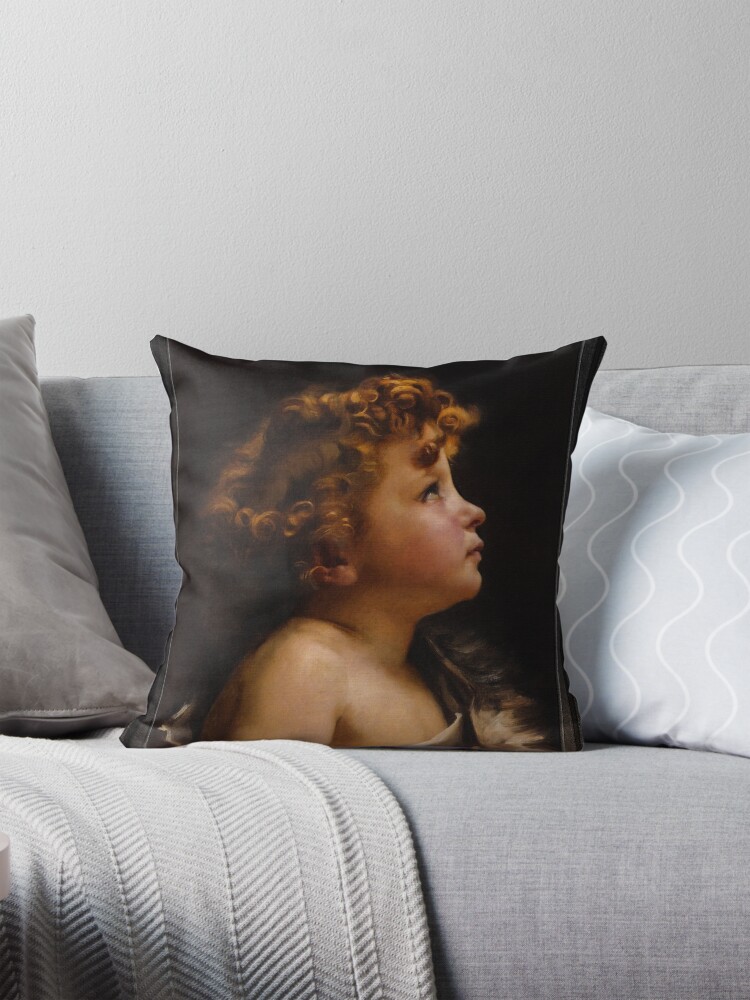
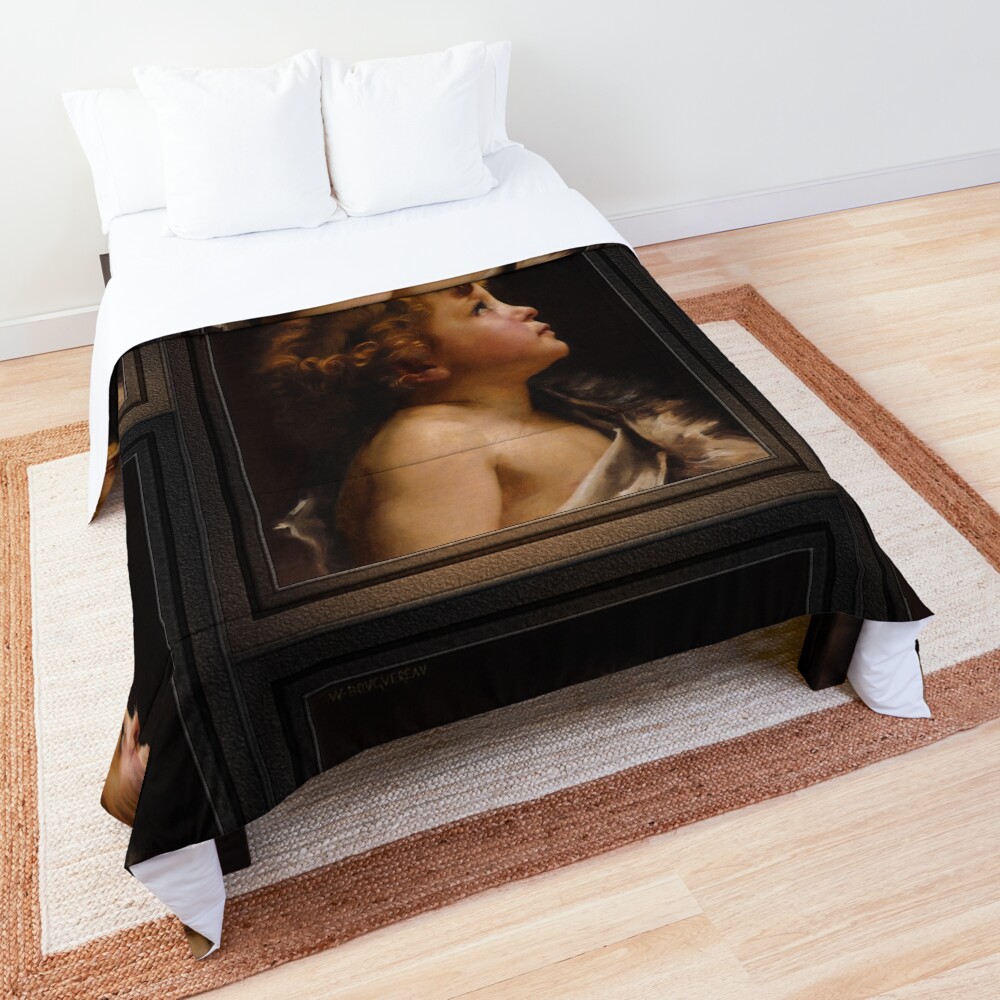
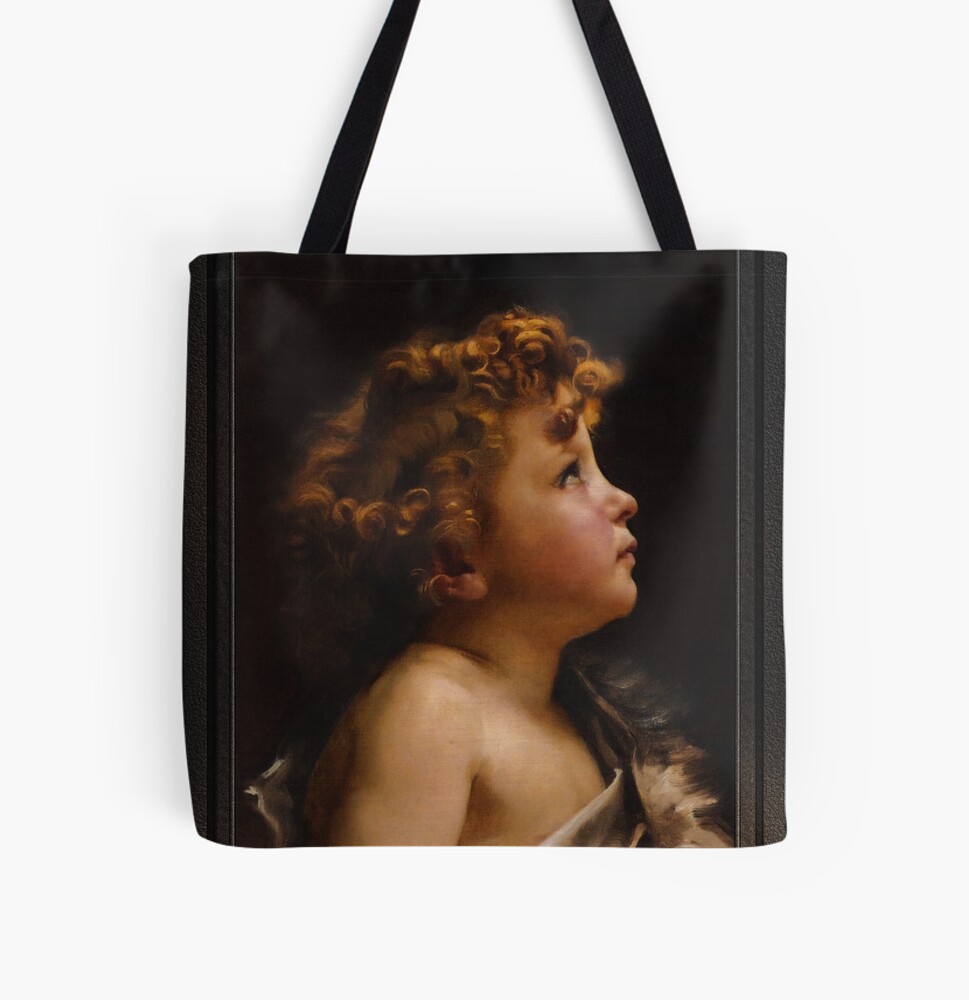
The painting centers on a young boy, who is identified as John the Baptist, depicted in a moment of contemplation or spiritual reflection. His youth, marked by soft, tousled curls, delicate facial features, and an innocent expression, captures the purity and virtue associated with the figure. The child’s upward gaze is subtle yet suggestive of an inner connection with the divine, reinforcing the spiritual nature of the work. His youthful face, framed by wild curls, stands in contrast to his humble attire, which further emphasizes his role as a figure of modesty and piety.
Composition and Layout
Bouguereau carefully arranges the figure of John against a dark, almost ethereal backdrop that suggests a focus on the child alone. This darkened background allows the viewer’s attention to be drawn primarily to the light illuminating the figure’s face, highlighting the soft texture of his skin and the intricate details in his hair. The light serves as a symbolic halo, enhancing the divine essence of the figure while reflecting the religious nature of the painting. The child’s posture is gentle, his right shoulder slightly exposed with the folds of his drapery draped over his left shoulder and across his chest, which brings a fluid, almost graceful quality to the scene.
Efni og tækni
As with much of Bouguereau’s oeuvre, the artist employed oil paints to create a smooth, almost photographic finish. His technique of layering fine glazes of paint allowed him to achieve a luminous quality in the skin tones, with a nearly tangible softness. The rendering of the child’s hair is particularly noteworthy, with each curl meticulously painted to capture the natural movement and texture of the hair. Bouguereau’s application of light is masterful, varpa hita, gentle glow across the subject’s face and neck. The use of soft yet precise brushstrokes contributes to the fluidity and lifelike appearance of the work, particularly in the way the fabric of the drapery folds with a natural flow.
Skap og þema
Stemningin á “Young John The Baptist” is serene and contemplative. The young boy’s expression conveys a sense of quiet reflection, perhaps an inner connection to a higher calling or divine message. Bouguereau’s portrayal of John the Baptist as a vulnerable, innocent child contrasts with the usual depictions of him as a powerful and austere figure in religious iconography. This choice of youth emphasizes the purity of the subject and the potential for great spiritual significance in even the most humble of beginnings. Einfaldleiki umgjörðarinnar, devoid of any distraction, reinforces the sacredness of the moment.
The theme of the painting ties deeply to Bouguereau’s interest in realism and religious iconography, presenting John the Baptist not as an adult prophet but as an innocent and vulnerable child. The softness and tenderness of the figure reflect a child’s innate connection to spirituality, symbolizing both a literal and figurative embodiment of purity and prophecy. The calmness of the subject also emphasizes the message of faith, highlighting the potential of human spirit and devotion.
Táknmál
The young boy’s gaze and delicate posture suggest both innocence and divine insight. His lack of any overt symbols or physical attributes of John the Baptist, such as a lamb or a staff, invites the viewer to focus on his spiritual essence, making the painting not just a representation of the historical figure but a visual exploration of the deeper, more abstract concept of faith and purity. The light illuminating John’s face can also be seen as a subtle reference to the divine, suggesting his importance within the Christian narrative while maintaining the soft naturalism that Bouguereau is celebrated for.
Heildaráhrif
“Young John The Baptist” is a striking blend of realism and religious symbolism, characterized by Bouguereau’s technical precision and emotional depth. The painting transcends a simple portrait of a biblical figure, offering instead an intimate and meditative portrayal of youthful innocence and divine potential. Bouguereau’s work in this painting serves as a poignant reminder of the tender and sacred aspects of human existence, inviting viewers to reflect on the purity and spiritual insight of a child, and perhaps, the deeper spiritual message of faith.
Young John The Baptist (28 – 36 AD) c1890 by French Painter William-Adolphe Bouguereau (1825 – 1905); var akademískur málari þekktur fyrir notkun goðafræðilegra þema með nútímalegri túlkun á klassískum myndefni með áherslu á mannlegt kvenform.
A portrait of John The Baptist as a child looking towards Heaven as the light of GOD illuminates him.
Young John The Baptist is a retouched digital art old masters reproduction of a public domain image that is available online as a metal print.
Upplýsingar fyrir neðan með kurteisi Wikipedia.org
William Adolphe Bouguereau fæddist í La Rochelle, Frakklandi, á 30 nóvember 1825, inn í fjölskyldu vín- og ólífuolíukaupmanna.[4] Sonur Théodore Bouguereau (fæddur 1800) og Marie Bonnin (1804), þekkt sem Adeline, William var alinn upp kaþólskur. Hann átti eldri bróður, Alfreð, og yngri systir, Marie (þekkt sem Hanna), sem lést þegar hún var sjö ára.
Fjölskyldan flutti til Saint-Martin-de-Ré í 1832. Annað systkini fæddist í 1834, Kitty. Á aldrinum 12, Bouguereau fór til Mortagne til að vera hjá frænda sínum Eugène, prestur og þróaði með sér ást á náttúrunni, trúarbrögð og bókmenntir.
Í 1839, hann var sendur til prestsnáms við kaþólskan háskóla í Pons. Hér var honum kennt að teikna og mála af Louis Sage, sem hafði numið hjá Ingres. Bouguereau yfirgaf námið með tregðu til að snúa aftur til fjölskyldu sinnar, býr nú í Bordeaux.
Þar hitti hann listamann á staðnum, Charles Marioneau, og hófst við teikni- og málaraskólann í nóvember 1841. Bouguereau starfaði einnig sem verslunarmaður, handlita litógrafíur og gera lítil málverk sem voru afrituð með litskiljun.
Hann var fljótlega besti nemandinn í bekknum sínum, og ákvað að verða listamaður í París. Til að fjármagna flutninginn, hann seldi portrett - 33 olíur á þremur mánuðum. Allir voru óundirritaðir og aðeins einn hefur verið rakinn. Hann kom til Parísar að aldri 20 í mars 1846.
Jafnrétti fyrir dauðann (Jafnrétti fyrir dauðann), 1848, olía á striga, 141 × 269 cm (55.5 × 105.9 inn), Orsay safnið, París. Jafnrétti er fyrsta stóra málverk Bouguereau, framleidd eftir tveggja ára nám í École des Beaux-Arts de Paris á aldrinum 23.
Bouguereau varð nemandi við École des Beaux-Arts.[4] Til að bæta við formlega þjálfun hans í teikningu, hann sótti líffærafræðilegar krufningar og lærði sögulega búninga og fornleifafræði.
Hann var tekinn inn á vinnustofu François-Édouard Picot, þar sem hann lærði málaralist í akademískum stíl. Dante og Virgil í helvíti (1850) var snemma dæmi um nýklassísk verk hans.
Akademískt málverk setti hæsta stöðu á sögulegum og goðafræðilegum viðfangsefnum, og Bouguereau staðráðinn í að vinna Prix de Rome, sem myndi gefa honum þriggja ára búsetu í Villa Medici í Róm, Ítalíu, þar sem hann gat auk formlegra kennslustunda rannsakað af eigin raun endurreisnarlistamenn og meistaraverk þeirra, sem og gríska, Etrúska, og rómverska fornminjar.