

Una columnata gótica en ruinas
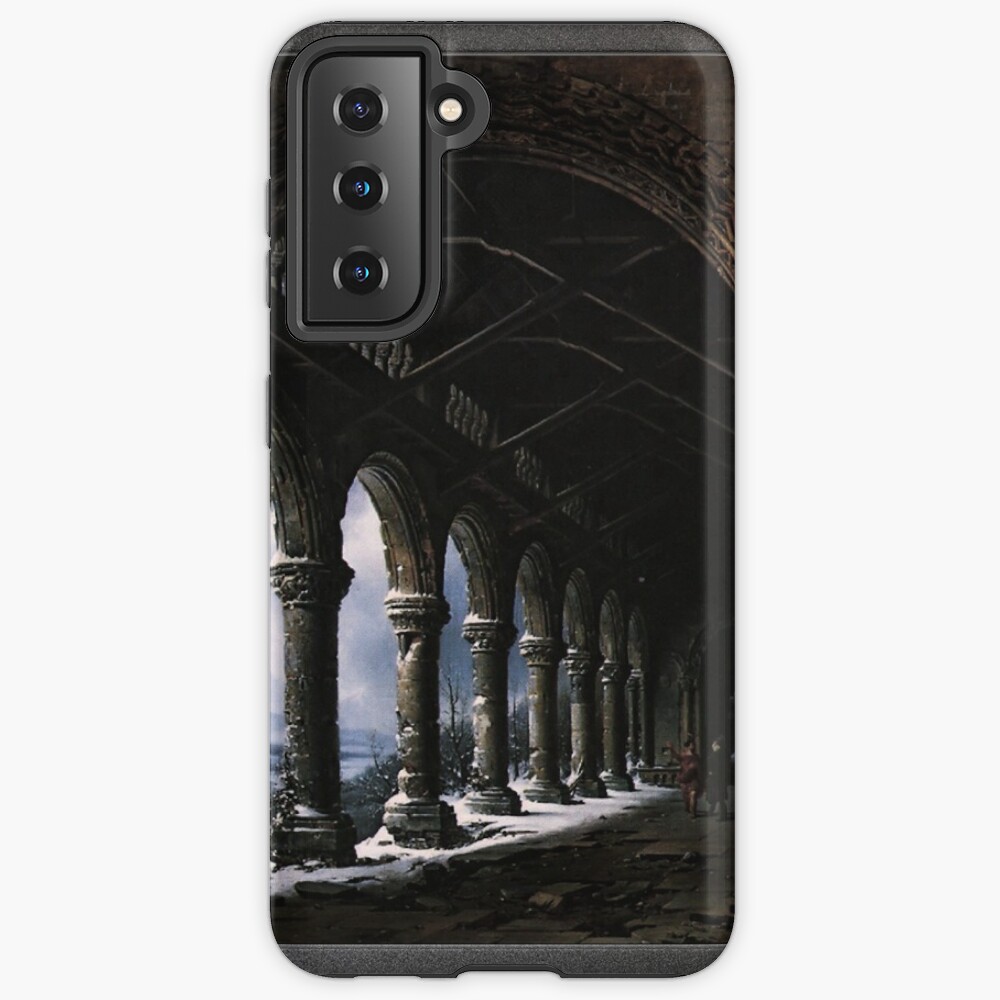
The Effect of Fog and Snow Seen through A Ruined Gothic Colonnade c1826 by French Painter Louis Daguerre (1787 – 1851), reconocido por su invención del proceso de daguerrotipo de la fotografía y considerado uno de los padres de la fotografía; también fue un consumado pintor y desarrollador del teatro Diorama..
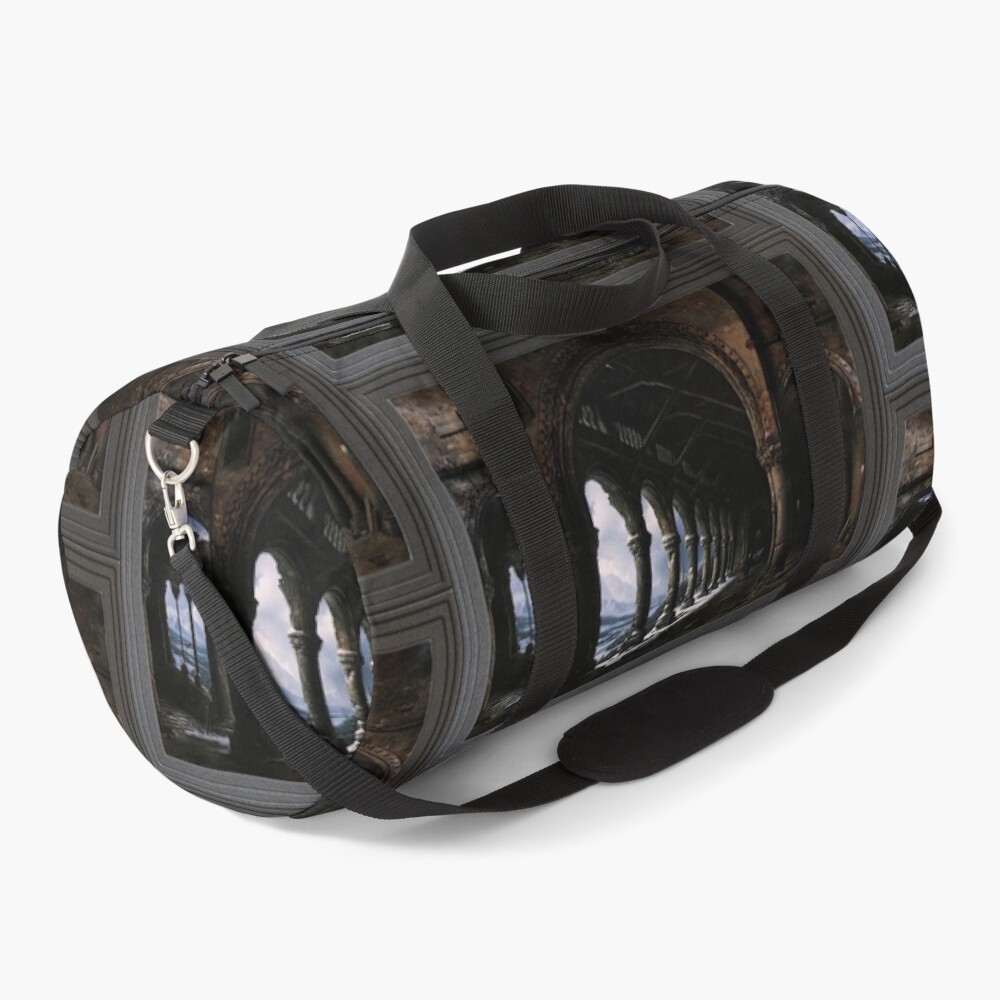
Una columnata gótica en ruinas es una poderosa imagen cautivadora de un olvidado arruinado estructura gótica que domina una cadena montañosa cubierta de nieve mientras dos hombres caminan por el largo y solitario corredor en ruinas del antiguo edificio gótico, con sus hermosas columnas y arcos.
A Ruined Gothic Colonnade is a retouched digital art old masters reproduction of a public domain image that is available as a impresión enrollada.
Información a continuación derivada de Wikipedia.org
Louis-Jacques-Mandé Daguerre was born on the 18th of November in 1787 in Cormeilles-en-Parisis, Val d'Oise, Francia; and is better known as Louis Daguerre, who was a French artist and photographer, reconocido por su invención del proceso de daguerrotipo de la fotografía.
He is known as one of the fathers of photography, and even though he is most famous for his contributions to photography, también fue un pintor consumado y un desarrollador del teatro diorama.

Fue aprendiz de arquitectura, diseño de teatro, and panoramic painting under the first French Panorama Painter Pierre Prévost (1764 – 1823).
He was exceedingly well adept at his skill of theatrical illusion, and he became a celebrated designer for the theater, which later led to him inventing the diorama, que abrió en París en julio 1822.
En 1829, Daguerre partnered with French Inventor Nicéphore Niépce (1765 – 1833), who had produced the world’s first heliograph in 1822 y la fotografía de cámara más antigua que se conserva en 1826 o 1827.
Though Niépce died suddenly in 1833, Daguerre continued experimenting with the photographic process, and evolved the method that would eventually be known as the daguerreotype.
Después de que los esfuerzos por interesar a los inversores privados resultaron infructuosos, Daguerre hizo pública su invención en 1839; and at a joint meeting of the French Academy of Sciences and the Académie des Beaux Arts on 7 Enero de ese año, la invención fue anunciada y descrita en términos generales, pero todos los detalles específicos fueron retenidos.
Con garantías de estricta confidencialidad, Daguerre explicó y demostró el proceso solo al secretario perpetuo de la Academia, François Arago, who proved to be an invaluable advocate.
Members of the Academy and other select individuals were allowed to examine specimens of Daguerre’s work at his studio, which won him enthusiastic praise; with the process being though of as nearly miraculous, which led to the news of the daguerreotype spreading quickly.
Then the French Government made arrangements to acquire the rights to Daguerre’s invention in exchange for a lifetime pension for himself and the 19 year old sone of Niépce’s son Isidore.
Then on August 19, 1939 the French Government presented his invention as a free gift to the world, with complete instruction on how to create photographs; later that year Daguerre was elected to the National Academy of Design as an Honorary Academician.
daguerre murio, de un infarto, en julio 10, 1851 en Bry-sur-Marne, 12 kilómetros (7 mi) de París; and a monument was erected that marks his grave, and his name is also one of 72 other to be inscribed on the Eiffel tower.