

春のアレゴリー
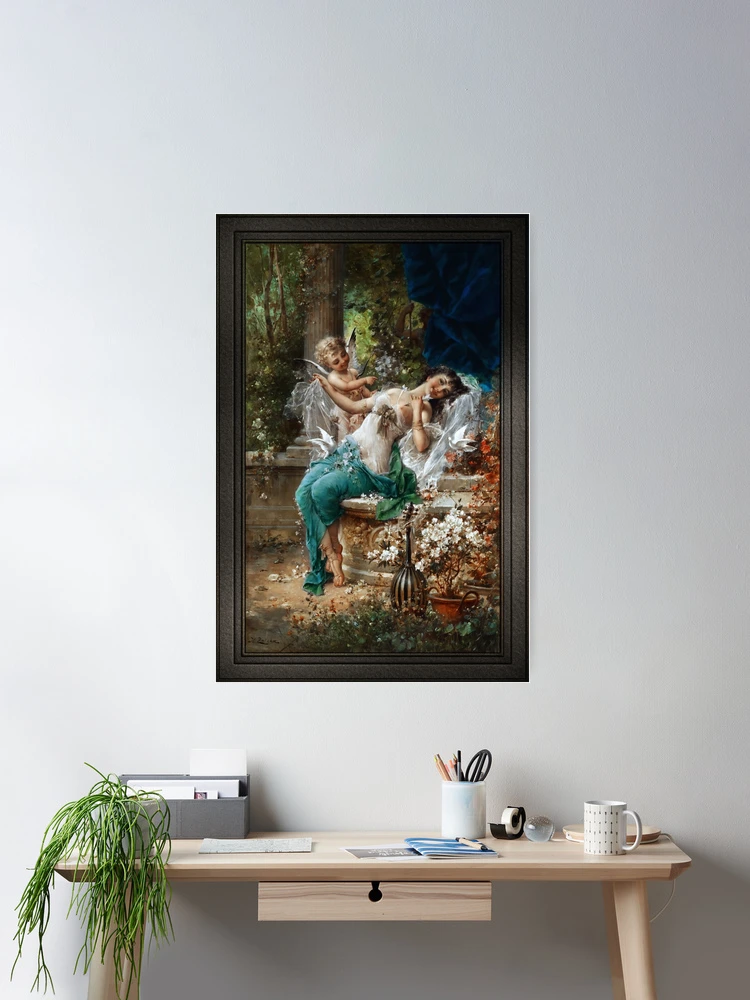
作品の中で 春の寓意, created by Austrian painter ハンス・ザツカ (1859 – 1945), the viewer is immersed in an enchanting narrative that captures the essence of rebirth and renewal, themes intimately connected to the arrival of spring. The piece exudes a timeless beauty, showcasing Zatzka’s unique ability to blend classical allegorical imagery with a romantic, almost ethereal atmosphere. His use of intricate detail and harmonious composition invites the viewer to experience not just a scene, but an emotional journey that mirrors the subtle transitions of nature as it awakens.
目次
主な主題と構成
の中心で 春の寓意, Zatzka places a reclining female figure, her form embodying the very essence of spring itself. She is a symbol of nature’s fertility and rejuvenation, with her pale skin glowing in the soft, dappled light that seems to emanate from the surrounding flora. Dressed in a delicate, translucent gown, the figure rests on a stone bench, her posture one of relaxed elegance. 彼女のドレス, a vibrant turquoise, flows like the fresh waters of a spring stream, contrasting beautifully with the rich greenery that encircles her.
The woman’s facial expression is serene, almost languid, as if in a deep connection with the earth and the changing season. 彼女の髪, dark and lustrous, cascades in soft waves, while a veil of gossamer fabric encircles her head, reinforcing the sense of fragility and divine grace. The figure’s right hand rests casually on her chest, and her left hand delicately touches her lips, a gesture that suggests contemplation or a connection to the surrounding environment.
Above and around her, several playful cherubs or winged children flutter, embodying the spirit of youth and joy that is commonly associated with the arrival of spring. One cherub is pictured behind the woman, its mischievous expression and gentle touch hinting at a sense of playful intimacy. These youthful figures further amplify the idea of spring as a time of lightheartedness, vitality, and playful creation.
背景と地形
の背景 春の寓意 is a lush, 緑豊かな庭, brimming with blooming flowers and dense foliage. The setting appears almost enchanted, bathed in soft light and softening shadows, which enhance the ethereal quality of the scene. Zatzka employs a soft focus on the trees and foliage, making them blend harmoniously with the rest of the composition. This sense of blurred distinction between figure and background underscores the interconnection between the human form and nature.
The stone bench upon which the woman rests is adorned with creeping vines and flowers, suggesting the harmonious relationship between the figures and the surrounding plant life. 花の描写, 特に, is quite detailed, with blossoms appearing in various stages of bloom, symbolizing the gradual unfolding of spring. The use of soft pastels in the flowers and the more muted tones of the stone bench contrasts beautifully with the vibrant greens of the foliage and the turquoise gown of the central figure.
In the far background, one can catch glimpses of columns, suggesting an ancient, almost mythological setting. The classical architectural elements, such as the pillars and the draped curtains behind them, invoke a sense of timelessness, further grounding the scene in the realm of allegory. The use of natural light filtering through the surrounding trees adds a magical quality to the scene, enhancing the feeling of an idyllic, tranquil moment suspended in time.
Symbolism and Allegory
Zatzka’s 春の寓意 is rich in symbolism, particularly in its portrayal of the central female figure and the surrounding cherubs. 女性, as a personification of spring, represents the life-giving energy of the season, as well as the natural cycles of growth and regeneration. 彼女のドレス, which resembles flowing water, is symbolic of the rejuvenating forces of spring rains that nourish the earth.
The cherubs, commonly seen in works of the Renaissance and Baroque periods, symbolize purity, 愛, そして無実. この文脈で, they also serve as representations of the joy and vitality that spring brings. The image of the playful childlike figures conveys the idea of innocence and new beginnings, reinforcing the theme of rebirth inherent in the season.
The flowers and plant life further underscore the theme of regeneration, with the blooms symbolizing growth, new beginnings, and the awakening of the natural world after the long dormancy of winter. The inclusion of birds, flying or perched nearby, alludes to the freedom and joy that nature offers as it reawakens.
Zatzka’s use of light also carries symbolic weight. ソフト, warm glow that illuminates the central figure evokes a sense of divine light or the touch of the gods, highlighting the sacredness of nature’s cyclical rhythms. The play of shadow and light on the figure and her surroundings creates a dreamlike quality, inviting the viewer to contemplate the spiritual renewal that spring represents.
気分と雰囲気
The mood of the painting is one of tranquility, softness, そして時代を超越した美しさ. Zatzka masterfully evokes a sense of calm, the serene expression of the central figure and the delicate playfulness of the cherubs infusing the scene with a feeling of gentle joy. 緑豊か, 緑豊かな庭, with its blooming flowers and bright greenery, exudes the hopefulness and vitality of spring. There is a quiet, almost meditative quality to the scene, suggesting that the moment captured is one of deep reflection, リニューアル, and connection with the earth.
The overall atmosphere of the painting is also one of romance and nostalgia. ソフトカラーパレット, along with the idealized, classical figures, creates a sense of longing for a world that is pure, innocent, and in harmony with nature. It is a world in which beauty, 平和, and renewal are constant, a place where the soul can rest and rejuvenate, much like the earth itself during the arrival of spring.
結論
Hans Zatzka’s 春の寓意 is a stunning example of late 19th and early 20th-century Romanticism, blending classical allegorical themes with a deep appreciation for the beauty of the natural world. The painting’s rich symbolism, 複雑なディテール, and ethereal atmosphere invite viewers into a world of gentle rebirth and renewal, making it a timeless tribute to the magic of spring. Through his expert use of light, 色, そして構成, Zatzka captures the essence of the season, creating an artwork that continues to resonate with audiences as a celebration of nature’s eternal cycles.
これは、パブリックドメインの画像のレタッチされたデジタルアートオールドマスターの複製であり、 キャンバスプリントオンライン.
アーティスト略歴の由来 Wikipedia.org
ハンス・ザツカは時々Pとして知られています. ロンサール, ピエール・ド・ロンサール, またはH. バッテリー, ジョセフ・バーナードとして彼の作品の多くに署名しました, J. バーナード, またはBernardZatzka.
Zatzkaの膨大な数の仮名の目的は、販売できるアートワークの量を制限する契約違反のペナルティを回避することでした。.
これにより、一部のアートデータベースでは、仮名ジョセフバーナードの下でのザツカの作品と同じ名前のフランスの彫刻家が混同されています。.
ハンス・ザツカは 8 行進 1859 ウィーンで. 彼の父バルトロマウスは建設労働者でした, 彼の母親はマリー・カルピシェク・ザツカでした.
間 1877 そして 1882, 彼は芸術アカデミーで学びました, クリスチャン・グリーペンケルの下で, カール・ウルツィンガー, とカールフォンブラース.
Zatzkaは、教会やその他の機関向けのフレスコ画を制作することで生計を立てることができました。.
に 1885, Zatzkaは、KurhausBadenで天井フレスコ画TheNaiadofBadenの作成を依頼されました.
Zatzkaの作品の多くは、オーストリアのさまざまな教会に捧げられた宗教画や祭壇画でした。.
しかしながら, 彼は女性の絵でもっと知られています, 妖精, と他の幻想的なシーン.
頻繁, 彼はリヒャルト・ワーグナーの作品とグリム兄弟のおとぎ話からインスピレーションを得ました.
19世紀後半から20世紀初頭に, Zatzkaによるいくつかの作品が写真に撮られ、商業的で収集可能なポストカードになりました.
1920年代, Zatzkaのスタイルは、ヨーロッパ全体で選ばれる装飾になりました. 加えて, 過去30年間はZatzkaの復活を開催しました.