

Ariadne
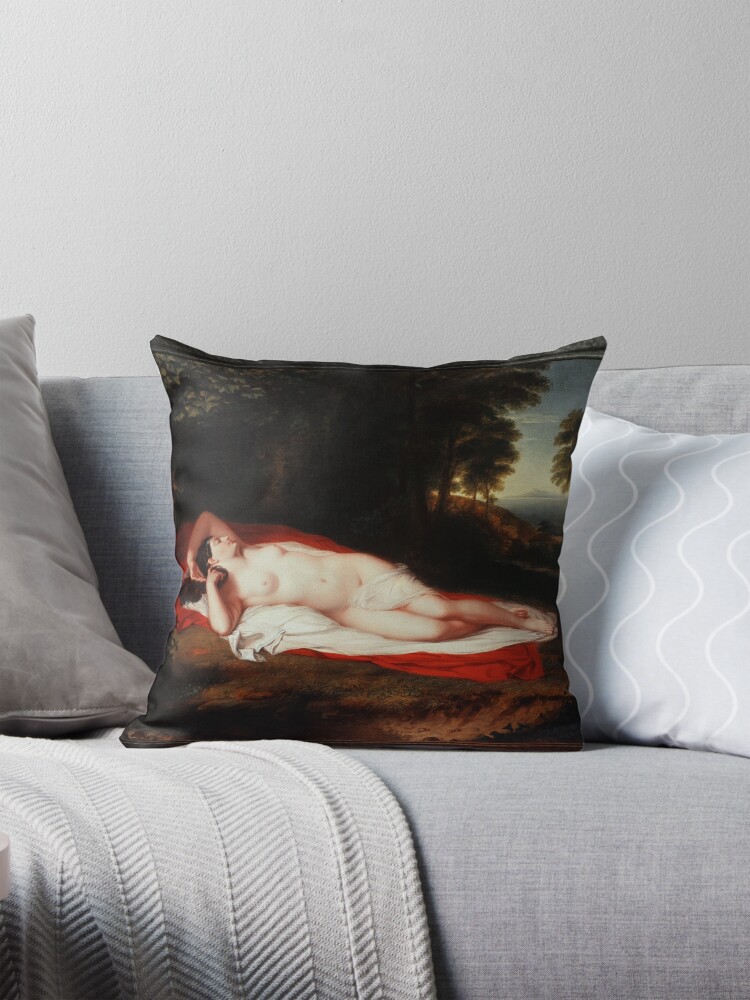
Ariadne c1831-35 vum amerikanesche Moler & Graveur Asher Brown Durand (1796 – 1886) war Deel vun der Romantik Art Movement a war en Diplom vun der Hudson River School. Dem Asher säin Haaptfokus war op Landschaftsmolereien.
Dëst Bild vun Ariadne vum Asher ass aus enger Kopie vun engem Bild vum John Vanderlyn (1776 – 1852) déi hien als Virbereedung op d'Gravatioun gemaach huet, déi hie produzéiert huet wéi dacks de Fall war; hie géif en Uelegcanvas vun der Gréisst vun der virgesinner Gravure erstellen.
Ariadne ass déi kretanesch Prinzessin vun der griichescher Mythologie, déi kuerz vum Theseus beléift war (de mythesche Kinnek a Grënner-Held vun Athen), deen hir op der Insel Naxos opginn huet nodeems hie vun hirer Firma midd war.
Inhaltsverzeechnes
Iwwersiicht vun “Ariadne” vum Asher Brown Durand
Asher Brown Durand, en amerikanesche Moler a Graveur, gëtt allgemeng als eng vun den zentrale Figuren an der Hudson River School of Landscape Molerei ugesinn, eng Bewegung déi d'natierlech Schéinheet vun der amerikanescher Landschaft gefeiert huet. Allerdéngs, Dem Durand seng Aarbecht huet sech dacks iwwer Landschafte verlängert, wéi an sengem gesinn 1831 – 1835 molen Ariadne. Dëst Stéck weist dem Durand seng Meeschterleeschtung net nëmmen an der Erfaassung vun natierleche Formen, awer och a senger Fäegkeet fir seng Themen mat engem äthereschen z'entdecken., bal mythologesch Präsenz.
D'Thema vum Konschtwierk: Ariadne
Am Zentrum vun Durand d' Ariadne steet eng Fra a Rou, vun der Lush ëmgi, ongestéiert Wüst vun engem antike, bal idyllesch Landschaft. D'Thema vum Bild ass Ariadne, eng Figur aus der griichescher Mythologie, bekannt fir hir Verbindung zum Mythos vum Theseus an dem Minotaur. Ariadne ass dacks als Symbol vun der Léift duergestallt, Verloscht, an Verrot, an den Durand erfaasst hatt an engem Moment vu roueger Iwwerleeung.
Dem Ariadne seng Pose ass languid a kontemplativ, leien op engem Bett vu roude Draperien, dat kontrastéiert mat de mëllen Téin vun der ronderëm natierlecher Welt. D'Figur schéngt relax, bal schlofen, mat hirem Kapp sanft op d'Säit gedréint. Hire Kierper ass an engem fléissendem draperéiert, duerchsichteg wäiss Stoff, mat dem räiche Crimson Stoff ënnert hirem e Gefill vu Luxus an Opulenz opruffen. Trotz hirer riichter Positioun, d'Konturen vun hirem Kierper bleiwen graziéis, mat der Molerin déi natierlech Kéiren vun hirer Form mat grousser Suergfalt a Sensibilitéit erfaasst. Hir Gesiicht, obwuel deelweis duerch hir Positionéierung verstoppt ass, schéngt friddlech, suggeréiert eng déif bannenzeg Rou oder Introspektioun.
D'Landschaft an natierleche Kader
Den Hannergrond vum Bild ass eng üppig, gréng Landschaft déi sech an d'Distanz ausdehnt, am mëllen Glanz vun engem Owend oder fréi moies Liicht gebascht. D'Szen ass duerch sanft rullend Hiwwele charakteriséiert, dichte Beem, an e wäit Waasserkierper. Dem Durand seng Opmierksamkeet op Detailer an der Duerstellung vun der Natur reflektéiert säin Engagement fir d'Prinzipien vun der Hudson River School, wou d'Naturwelt geéiert an idealiséiert gouf. D'Blieder sinn a räich gemoolt, déif Gréngs, wärend den Himmel uewen eng delikat Mëschung vu mëllen Bloen a waarme Giel ass, zu enger Atmosphär vu Rou an Nostalgie bäidroen.
Déi wäit Vue iwwer d'Waasser bitt e Gefill vun Déift a Raum, invitéiert den Zuschauer d'Wichtegkeet vun der Szen virzestellen. D'Benotzung vum Liicht an dësem Bild ass besonnesch bemierkenswäert; dem Kënschtler seng virsiichteg Rendering vu Schatten an Highlights schaaft e Gefill vu Volumen an Textur, léinen eng bal dreidimensional Qualitéit souwuel un d'Figur vun der Ariadne an der ronderëm Landschaft. D'Luucht schéngt d'Figur ëmzegoen, e mëllen Glanz op hir Haut an d'Falten vun hirem Draperie werfen, wärend déi schatteg Gebidder d'Gefill vun der Solitude a Reflexioun verdéiwen.
D'Symbolismus vun der Draperie
Déi rout Draperie ënner Ariadne ass net nëmmen e visuellt Element, awer och e symbolescht. An der klassescher Konscht, Draperien hunn dacks als Gefier gedéngt fir souwuel den emotionalen Zoustand vum Thema an hir kierperlech Form auszedrécken. An dësem Fall, the deep red fabric can be interpreted as a symbol of passion, Léift, or even sacrifice. Ariadne, having been abandoned by Theseus after helping him escape the labyrinth, might be seen as embodying themes of loss and emotional turmoil, yet her peaceful repose and the lush, fertile landscape around her suggest a kind of quiet resolution or acceptance.
The white cloth she is draped in can be viewed as a symbol of purity or a new beginning, which is fitting given that the myth of Ariadne is often associated with transformation; both in the literal sense of her life being changed by her relationship with Theseus and in the mythological sense, where her fate takes a turn after her abandonment.
Den artistesche Stil an Technik
Durand’s Ariadne is painted in a classical Romantic style, wou Realismus an Idealismus fusionéieren fir eng Visioun vu Schéinheet ze kreéieren déi dat gewéinlech iwwerschreift. De Kënschtler beschäftegt e feine Balance vum Realismus an der Bildung vun der Figur an der Landschaft, awer et gëtt eng Basisdaten Idealiséierung déi d'Szen zäitlos fillt. Dem Durand seng technesch Fäegkeet ass evident an der delikater Rendering vu Liicht a Schied, d'Weichheet vum Stoff, an déi naturalistesch Detailer vun der Landschaft.
D'Figuren a Forme si mat grousser Präzisioun modelléiert, an déi mëll Iwwergäng vu Faarf suggeréieren dem Kënschtler säin déiwe Verständnis vum mënschleche Kierper an d'Spill vum Liicht iwwer verschidden Flächen. Dem Durand seng fein Opmierksamkeet op Detailer erstreckt sech iwwer déi mënschlech Form an dat natierlecht Ëmfeld, wou all Blat, branch, a Rock ass suergfälteg gemoolt, bäidroen zum Gesamtgefill vum Realismus an Harmonie vum Bild.
Stëmmung an emotional Atmosphär
D'Stëmmung vum Ariadne ass ee vun der Rou, Einsamkeet, a roueg Reflexioun. Déi mëll Luucht, sanft Landschaft, a languid Pose vum Thema all kombinéiert fir eng Atmosphär vu roueger Iwwerleeung ze kreéieren. Et gëtt e Gefill vu roueger Schéinheet an der Aart a Weis wéi d'Figur am natierlechen Ëmfeld läit, suggeréiert souwuel eng intim Verbindung mat der Natur wéi eng kontemplativ Flucht aus dem Tumult vun der mythologescher Welt.
Wärend d'Figur vum Ariadne zudéifst mat Themen vun der Verloossung assoziéiert ass, Verrot, an emotional Péng am Mythos, Dem Durand säi Portrait konzentréiert sech op e méi introspektiven Aspekt vun hirem Charakter. D'Feele vun engem direkten narrative Moment, wéi hir Verloossung oder spéider Bestietnes mam Dionysos, erlaabt dem Zuschauer Ariadne an engem Zoustand vu roueger Opléisung ze iwwerdenken. Hir roueg Ausdrock an entspaant Pose suggeréieren eng emotional Distanz vun hirem fréiere Liewen seng Verspriechen an Tribulatiounen, erlaabt e méi meditativen Engagement mat hirer Figur.
Conclusioun
An Ariadne, Asher Brown Durand fusionéiert seng Fäegkeet am Landschaftsmolen mat senger Empfindlechkeet fir mënschlech Emotiounen, e Wierk ze produzéieren dat souwuel visuell beandrockend an emotional resonant ass. D'Molerei ass e delikat Balance vun idealiséierter Schéinheet a reflektéierter Solitude, op déi klassesch Traditioune vun der Mythologie a Landschaftsmolerei ze zéien, wärend d'Szene mat enger eenzegaarteger romantescher Sensibilitéit beaflosst. Duerch dëst Stéck, Durand invitéiert den Zuschauer net nëmmen d'mythesch Figur vum Ariadne ze iwwerdenken, awer och déi éiweg Schéinheet vun der natierlecher Welt, déi e rouege Hellegtum vum Tumult vum mënschleche Liewen bitt.

Am Hannergrond laanscht d'Beem an den Hiwwel op deem hatt rascht kënne mir e Boot um Ufer vum Séi gesinn, Leit an en Hond um Ufer, mam Damp vun engem Lagerfeier an d'Loft klammen; endlech an der wäiter Distanz kënne mir gesinn wat schéngt eng grouss Insel ze sinn.
Dëst ass eng retouched digital Konscht al Master Reproduktioun vun engem ëffentlechen Domain Bild dat Dir als e kafe kënnt gerollt Leinwanddruck online.
Info Ënnen Vun Wikipedia.org
Den Durand gouf gebuer a stierft schlussendlech zu Maplewood, New Jersey (duerno Jefferson Village genannt). Hie war den aachte vun eelef Kanner. Dem Durand säi Papp war en Uhrenmacher an e Sëlwermëtt.
Den Durand war an engem Gravure geléiert aus 1812 an 1817 a spéider eng Partnerschaft mam Besëtzer vun der Firma agaangen, Charles Cushing Wright (1796-1854), deen him gefrot huet de New York Büro vun der Firma ze managen.
Hien gravéiert Deklaratioun vun Onofhängegkeet fir John Trumbull während 1823, déi dem Durand säi Ruff als ee vun de schéinste Graveuren am Land etabléiert huet.
Durand gehollef der New York Zeechnen Association organiséieren während 1825, déi géif d'National Academy of Design ginn; hie géif d'Organisatioun als President déngen aus 1845 an 1861.
Dem Asher seng Gravuren op Banknoten goufen als Portraite fir Amerika seng éischt Porto Timberen benotzt, den 1847 Serie. Zesumme mat sengem Brudder Cyrus huet hien och e puer vun den Erfolleg gravéiert 1851 Problemer.
Säin Haaptinteresse huet sech vun der Gravur op Uelegmolerei iwwer geännert 1830 mat der Encouragement vu sengem Patron, Luman Reed. Während 1837, hie begleet säi Frënd Thomas Cole op enger Skizzenexpeditioun zum Schroon Lake an den Adirondacks Bierger a kuerz duerno huet hien ugefaang sech op Landschaftsmolerei ze konzentréieren.
Hien huet de Summer an de Catskills skizzéiert, Adirondacks, an de White Mountains vun New Hampshire, Honnerte vun Zeechnungen an Ueleg Skizzen ze maachen, déi spéider a fäerdeg Akademie Stécker agebaut goufen, déi gehollef hunn d'Hudson River School ze definéieren.
Den Durand gëtt besonnesch erënnert fir seng detailléiert Portraite vu Beem, Fielsen, a Blieder. Hie war en Affekot fir direkt aus der Natur mat sou vill wéi méiglech Realismus ze zéien. Durand geschriwwen, “Loosst [de Kënschtler] akzeptéieren wat och ëmmer [Natur] presentéiert him bis hien soll, an engem Grad, si mat hirer Onendlechkeet intim ginn ... loosst him ni hir Hellegkeet profanéieren duerch e bewosst Ofwee vun der Wourecht.”
Wéi aner Hudson River School Kënschtler, Den Durand huet och gegleeft datt d'Natur eng onerklärbar Manifestatioun vu Gott war. Hien huet dëst Gefill a seng allgemeng Meenungen iwwer Konscht a sengem Essay ausgedréckt “Bréiwer op Landschaftsmolerei” am Crayon, eng Mëtt vum 19. Joerhonnert New York Konscht Zäitschrëft. Durand geschriwwen, “[T]Déi richteg Provënz vun der Landschaftskunst ass d'Representatioun vun der Aarbecht vu Gott an der sichtbarer Schafung ...”
Den Durand ass fir säi bekannt 1849 Molerei Kindred Spirits déi Matbierger Hudson River School Kënschtler Thomas Cole an Dichter William Cullen Bryant an enger Catskills Mountains Landschaft weist. Dëst gouf gemoolt als Hommage un Cole beim Cole sengem Doud während 1848, an als Kaddo fir Bryant.