

Bacchante c1904
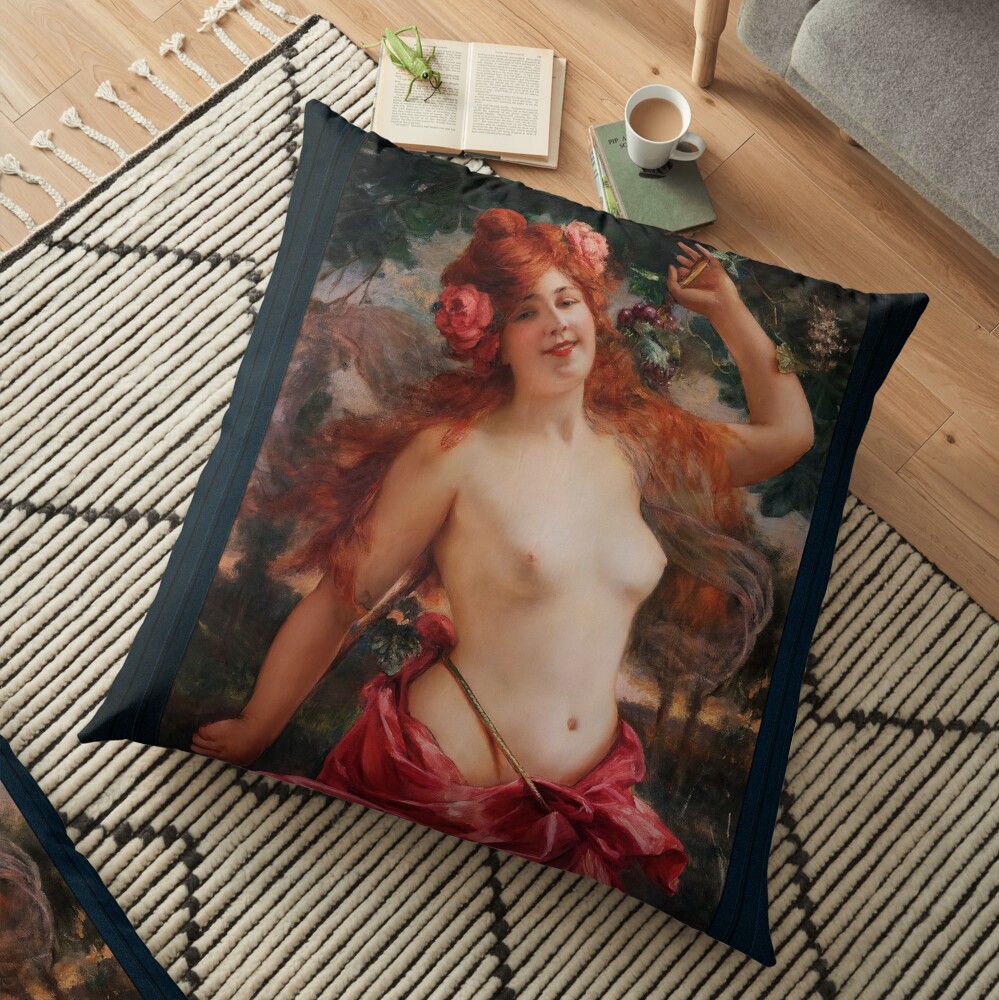
D'Artwierk mam Titel “Bacchante c1904” dei ze franséische Moler Édouard-Louis Dubufe (1849 – 1926) ass eng exemplaresch Duerstellung vun der dekadenter a sensueller Konschtbewegung déi am spéiden 19. a fréien 20. Joerhonnert bléie gelooss huet. D'Bild weist e Bacchante, engem Nofolger vum Bacchus, de réimesche Gott vum Wäin, revelry, an Ekstase, engagéieren an engem Moment vun wëll Feier. An dësem liewege an evokativen Stéck, Dubufe presentéiert de Bacchante als Ausféierung vun der Fruchtbarkeet, Sensualitéit, an den onheemleche Geescht vun der Natur. D'Konschtwierk, gemoolt an 1904, Fonctiounen dynamesch Zesummesetzung, exquisite Gebrauch vu Faarf, an e delikat awer fett Zesummespill vu Figuren a Landschaft, déi d'Szen eng déif Déift gëtt.
Inhaltsverzeechnes
D'Haaptthema: De Bacchante
Am Mëttelpunkt vun der Kompositioun steet d'Bacchante selwer, eng verlockend a stralende Figur mat fléissenden rouden Hoer an engem Ausdrock vu Suergfalt opginn. Si ass deelweis an engem Räich drapert, crimson Stoff, déi sech un d'Taille hält a graziéis wibbelt, wéi se vum Wand gefaange wier, e Gefill vu Bewegung a Flëssegkeet un hir Figur léinen. Hir ausgesat Këscht, e Motiv dat allgemeng mat Ofbildunge vu Gëttinnen a mythologesche Figuren assoziéiert ass, weider verbessert hir Verbindung zu antike Traditiounen vun Fruchtbarkeet a gëttlech Weiblechkeet.
Hir Hoer, mat Rosen dekoréiert, ergänzt hir lieweg Perséinlechkeet a füügt zu den naturalisteschen Elementer vum Stéck, betount hir Verbindung mat der natierlecher Welt. D'Blummen an hiren Hoer sinn net nëmmen dekorativ, mee symbolesch fir d'Bléiend Energie vum Fréijoer an der Wëld, ongetemte Schéinheet vun de Bacchanten, déi dacks als frei-spirited a wëll an hirer Feier vum Bacchus gewisen goufen.
An hirer lénkser Hand, de Bacchante hält e Bündel vu Blummen an Uebst, eng zousätzlech Verbindung mat der Fruchtbarkeet ubidden, Iwwerfloss, an déi zyklesch Natur vum Liewen. Déi mëll Curve vun hirem Kierper an déi subtile Beweegung vun hire Gliedmaart vermëttelen dem Bacchante seng intim Verbindung mat der Äerd an de Geescht vu Revelry, deen zentral zu Bacchic Riten war..
Den Hannergrond a Landschaft
Den Hannergrond vum Bild bitt eng idyllesch a üppig Landschaft, mat Elementer déi dem Bacchante seng Associatioun mat der Natur verstäerken. Déi dichte Blieder vu Beem a Blieder bilden eng räich Tapisserie, e Gefill vun Zäitlosegkeet an de Kader vun engem mythologesche Räich opruffen. Et gëtt e Gefill vun Déift wéi d'Ae vum Betrachter aus dem liewege Virdergrond gezunn ass, gefëllt mat der Bacchante an hir fléissendem Kleedungsstécker, an d'Schatten, mysteriéis Distanz, wou d'Landschaft an méi mëll Téin vun Dämmerung oder Dämmerung iwwergëtt.
D'Benotzung vu Gréngs a Blummen suggeréiert eng Welt unberéiert vun der Modernitéit, den Zuschauer invitéieren sech an déi gëttlech an hedonistesch Atmosphär vun der Szenen z'entdecken. Dem Dubufe säi Pinselwierk erfaasst d'Energie vum natierlechen Ëmfeld mat engem Sënn vu Realismus, iwwerdeems ëmmer nach erlaabt dem Zuschauer déi dreemlech an ätheresch Qualitéit vum mythologesche Kader ze spieren.
D'Stëmmung a Symbolismus
D'Stëmmung vum “Bacchante c1904” ass eng vun onbeschiedegter Freed, exuberance, a Fräiheet. D'Bacchante ass net nëmmen eng Representatioun vun der weiblecher Schéinheet, awer och vun der exuberant, hedonistesch Kräfte vun der Natur. Si verkierpert souwuel déi wuertwiertlech wéi och metaphoresch Bedeitunge vu Bacchic Ritualen, wat dacks mat Danz bedeelegt ass, drénken, an eng extatesch Kapital un d'Kräfte vun der Natur an der Gottheet.
Déi emotional Resonanz vum Stéck ass ee vu Genoss a Genoss, eng Invitatioun fir sech an der Erfahrung vum Liewen ze verléieren, aus gesellschaftlechen Aschränkungen befreit. Dem Bacchante seng ongehemmt Haltung, déi sënnlech Draperie, an déi lieweg Faarwen schwätzen all zum befreienden Thema vun der Verëffentlechung vun der Repressioun, besonnesch a Relatioun mat natierleche Kräften a Wënsch. Dëst Thema entsprécht de méi breet ästheteschen a kulturelle Stréimunge vun der Belle Époque Period, wou d'Dekadenz an d'Striewen no Genoss dacks verherrlecht goufen.
Den artistesche Stil an Technik
Dem Édouard-Louis Dubufe seng Technik ass eng genial Affichage vu senger Meeschterschaft vu Faarf a Liicht, mat enger markéierter Opmierksamkeet op Detailer an der Duerstellung vun der mënschlecher Figur an der natierlecher Welt. Seng Benotzung vun Uelegfaarwen erlaabt eng Flëssegkeet vun Textur an Déift, mat delikate Gradatioune vu Liicht, déi d'Bild mat engem mëllen Glanz beliichten. De Kontrast tëscht de waarme Hauttéin vum Bacchante an dem coolen, Schatten Hannergrond schaaft eng visuell Harmonie déi hatt als zentrale Fokus vum Bild beliicht.
Dem Dubufe säi Pinselwierk ass charakteriséiert duerch fett Strich a méi fein, méi raffinéiert Detailer, wéi d'Falten vum Bacchante säi roude Stoff an d'Blummen an hiren Hoer. Déi mëll Vermëschung vun de Figuren an der Landschaft ronderëm rufft eng bal romantesch Atmosphär op, betount déi sensuell a mythesch Qualitéite vum Thema.
D'Thema vum Bacchus an de Bacchanten
D'Thema vum Bacchus a seng Matleefer, de Bacchanten, huet eng laang Traditioun an der klassescher Konscht. An der réimescher Mythologie, Bacchus war de Gott vum Wäin, revelry, an Ekstase, a seng Matleefer, dacks als frenzied Fraen duergestallt, huet a senge Riten mat opginn deelgeholl. Dës Szenen waren traditionell geduecht fir e Gefill vum göttleche Chaos z'erwächen, dee gegleeft gouf duerch Genoss an Bacchic Ritualen entlooss ze ginn.. Dem Dubufe seng Interpretatioun vun der Bacchante ass souwuel e Feier vun dësem mythologesche Sujet wéi och eng Reflexioun vum perséinlechen Engagement vum Kënschtler mam Thema Sensualitéit an natierlecher Exuberance.
Dem Bacchante seng suergfälteg Natur an hir Verbindung mat der Äerd spigelen d'Themen vu Vitalitéit an Iwwerfloss, Konzepter, déi am Tour vum 20. Joerhonnert staark an der Konschtwelt resonéiert hunn, besonnesch a Frankräich. Et schwätzt vum wuessenden Interessi vun der Ära fir mythologesch a klassesch Themen, wéi och d'Faszinatioun mat de gëttlechen an natierleche Kräften, déi den Alldag iwwerschreiden.
Conclusioun
“Bacchante c1904” vum Édouard-Louis Dubufe ass eng Meeschterleeschtung vun der mythologescher Exuberance, feieren souwuel d'Kraaft a Schéinheet vun der mënschlecher Form an der natierlecher Welt. D'Bacchante selwer, mat hirer lieweger Energie a Sensualitéit, gëtt e Symbol vum ongetemte Geescht vun der Natur an der gëttlecher Ekstase, déi mam Bacchus verbonnen ass. D'Bild ass en Ode un d'Fräiheet, Genoss, an déi freedeg dës Konscht opzeginn, a senger schéinster Form, invitéiert den Zuschauer op Erfahrung. Duerch säi kompetente Gebrauch vu Faarf, Konwäertaarbecht, an thematesch Déift, Dubufe erfaasst déi zäitlos Essenz vun der Bacchante op eng Manéier déi souwuel historesch a kulturell Grenzen iwwerschreift.
Dëst ass eng remastered digital Konscht al Master Reproduktioun vun engem Public Domain Bild dat als verfügbar ass Leinwandprint online.
Dës digital Konscht Kreatioun, wéi mat all de Konschtwierker, déi op der Xzendor7 Websäit fonnt kënne ginn, ass online a verschiddene Materialformater ze kafen, dorënner Canvas Prints, acryl Prints, Metallofdréck, Holzdrécker, cadréiert Printen, Plakater, a wéi gewalzt Canvas Printen a ville Gréissten vun 12 Zoll zu 72 Zoll ofhängeg vun der Gréisst vum aktuellen Konschtwierk an dem Print-on-Demande Buttek vun deem Dir gewielt hutt d'Konscht ze kafen.
D'Konschtwierk ass och op eng breet Palette vu Männer- a Fraekleedung verfügbar, Becher, totes, Schal, Notizbicher an Zäitschrëften a vill Heemdekoratiounsprodukter.
Iwwer de Kënschtler
Informatioun Ënnen Ofgeleet Vun Wikipedia.org
Den Édouard war de Jong vum franséische Moler Claude Marie Paul Dubufe (1790 – 1864); déi sech am Genre spezialiséiert hunn, historesch a Portrait, an 1819 an deen him seng éischt kënschtleresch Uweisunge ginn huet.
Wéi hie méi al war, huet den Édouard beim franséischen historesche Moler Paul Delaroche studéiert (1797 – 1856) an der École des Beaux-arts.