

Fragments d'un temple antic i edificis adjacents
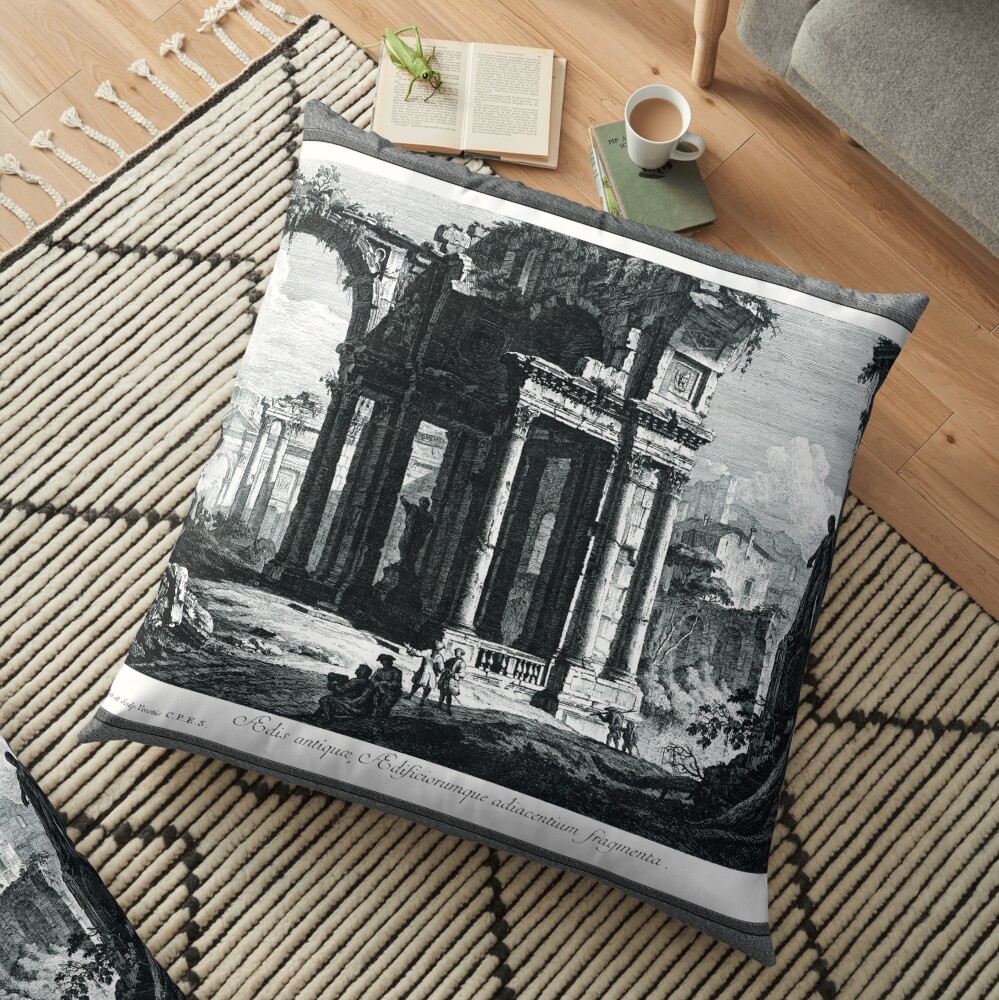
“Fragments d'un temple antic i edificis adjacents (Antiga Aedes, I els fragments d'edificis adjacents)” és una obra d'art magistral creada a 1771 de l'artista italià Pietro Gaspari (1720 – 1785); que era conegut pels seus aiguaforts i pintures de Veduta i Capriccio. L'obra exemplifica la fascinació per l'antiguitat que va definir bona part del segle XVIII, especialment en el context europeu “Gran Tour” i l'exploració de les ruïnes romanes. El gravat de Gaspari representa un fragmentari, temple en ruïnes, acompanyat de les seves estructures circumdants, presentant tant una narració de la decadència com una celebració de la bellesa perdurable de l'arquitectura clàssica.
Aquesta obra concreta, fet després d'un pintor per un artista no identificat nascut a 1726, ofereix una visió dramàtica però commovedora del món clàssic, combinant de manera experta elements naturals i arquitectònics dins de la composició. Alguns dels gravats de Gaspari incorporaven més detalls, però no tenia l'aspecte més complicat, que un veuria de tals gravadors com Giovanni Battista Piranesi (1720 – 1778).
Taula de continguts
El tema i la composició
En el seu nucli, l'obra d'art representa les restes d'un antic temple envoltat d'edificis adjacents. L'estructura principal del temple és grandiosa però resistent a la intempèrie, amb columnes altíssimes que s'han ensorrat parcialment. Les vinyes i altres plantes han superat parts de la pedra, il·lustrant el pas del temps i la intersecció de la natura amb la creació humana.
Les columnes, encara que esmicolat i erosionat, constitueixen un testimoni de la magnificència que va ser. There is a sense of awe conveyed through these ruins, and the delicate balance between nature and architecture is captured skillfully.
The background of the engraving features a range of other nearby buildings in similar states of ruin, their facades fractured and incomplete. These structures hint at the once-thriving civilization that has long since fallen into decay.
The scene is bathed in soft lighting, with light gently spilling over the landscape and accentuating the weathered textures of the buildings. A subtle yet dramatic use of light and shadow evokes a sense of melancholy, while the distant hills and sky add depth to the overall composition.
El terreny i l'atmosfera
The terrain within the engraving consists primarily of rough, uneven ground. The crumbled columns and scattered stone fragments litter the scene, suggerint que aquestes estructures abans immenses han estat abandonades durant segles. Dins de la pintura es veuen petites figures, potser servint com a arqueòlegs o errants entre les ruïnes.
Estan eclipsats per l'enormitat de l'arquitectura que els envolta, destacant l'escala de les restes i el pas del temps. Aquestes figures humanes subratllen encara més el tema de la història, on la fragilitat de l'existència humana contrasta amb la impermanència de l'arquitectura monumental.
L'atmosfera general del gravat transmet admiració i pèrdua. L'espectador queda impressionat no només per la bellesa de les ruïnes antigues, sinó també per la sensació de tragèdia, la naturalesa fugaç dels èxits humans. The crumbling columns and broken walls are reminders of the civilizations that once thrived but have long since fallen into disrepair. The inclusion of trees and foliage growing from the cracks of the stonework further accentuates the passage of time, as nature reclaims what was once meticulously crafted by human hands.
L'estat d'ànim i el simbolisme
L'estat d'ànim de “Fragments d'un temple antic i edificis adjacents” can be described as one of reflective melancholy. There is a palpable sense of quiet decay, as if the ancient ruins are in a constant state of surrender to time and nature. No obstant això, there is also a profound beauty in the way these fragments have been captured, with the stones, broken columns, and distant ruins bathed in soft light, imparting a serene, almost reverent atmosphere to the scene.
Simbòlicament, the crumbling ruins represent the transitory nature of human endeavors, recordant als espectadors la inevitabilitat del declivi. malgrat això, les ruïnes no són del tot tràgiques; en canvi, Gaspari els captura com a relíquies d'un gran passat, amb la bellesa de les seves restes encara evident malgrat els estralls del temps. Aquesta dualitat dins la pintura, de decadència i bellesa, de pèrdua i reverència; crea una ressonància emocional que fomenta la reflexió tant sobre el passat com sobre el present.
Les figures que es troben disperses per la composició, caminant entre les ruïnes, podria simbolitzar la curiositat intel·lectual de les elits europees del segle XVIII, que va viatjar a les ruïnes del món antic per entendre millor la història, arquitectura, i civilització. Les figures també poden representar el propi viatge de l'espectador en el temps, contemplant la grandesa del passat tot presenciant la seva fragilitat.
Materials i Tècniques
Gaspari employs the technique of fine engraving to render this highly detailed and textured artwork. The precise, careful lines in the work are indicative of the period’s focus on detailed studies of architecture and ruin. The engraved lines evoke both the hard stone of the ancient structures and the delicate intricacies of natural life creeping through the cracks. The interplay of light and shadow in the piece suggests a methodical approach to capturing the contrasts between light falling on solid stone versus the softer, organic shapes of nature.
Pel que fa a la composició, Gaspari’s work is deeply grounded in the tradition of 18th-century architectural drawing. The artist’s choice to use a monochrome palette reinforces the focus on the architectural form, where the intricacies of texture and structure are highlighted without the distraction of color. This classical approach to engraving would have been both a tribute to the great works of the past and a reflection of the era’s fascination with the ruins of antiquity.
Conclusió
En “Fragments d'un temple antic i edificis adjacents,” Pietro Gaspari has created a stunning homage to the enduring beauty of classical architecture and the inevitable passage of time. The ruins of the ancient temple, once majestic and imposing, now serve as silent witnesses to the loss and decay of civilization. No obstant això, through Gaspari’s careful rendering, these remains become beautiful relics, evoking both a sense of tragedy and wonder.
The work invites the viewer to reflect on the impermanence of all things, from the grandest monuments to the smallest details, alhora que captura l'atractiu atemporal del passat. L'estat d'ànim de malenconia es veu temperat per la bellesa intrínseca de l'arquitectura, les figures, i la suau il·luminació, fent d'aquesta pintura una reflexió atemporal tant sobre la història com sobre l'èxit humà.
Es tracta d'una reproducció d'antics mestres d'art digital remasteritzada d'una imatge de domini públic que està disponible com a Impressió de tela en línia.