

고대 사원의 파편과 인접 건물
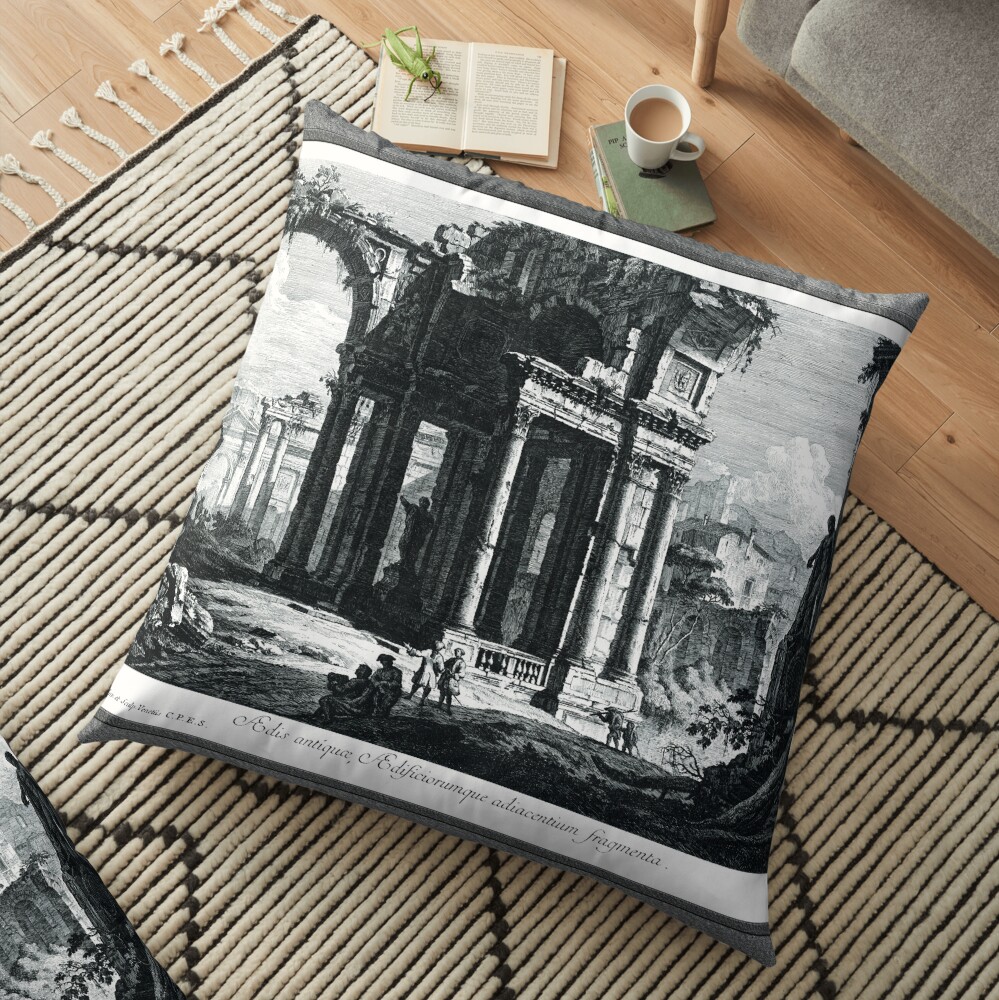
“고대 사원의 파편과 인접 건물 (고대 이집트, 그리고 인접한 건물의 파편)” 에서 만들어진 훌륭한 예술 작품이다. 1771 이탈리아 예술가 피에트로 가스파리(Pietro Gaspari)의 작품 (1720 – 1785); 베두타(Veduta)와 카프리치오(Capriccio) 동판화와 그림으로 유명했습니다.. 이 작품은 18세기의 대부분을 정의한 고대에 대한 매력을 보여줍니다., 특히 유럽의 맥락에서 “그랜드 투어” 그리고 로마 유적 탐험. Gaspari의 판화는 단편적인 것을 나타냅니다., 폐허가 된 사원, 주변 구조물과 함께, 쇠퇴에 대한 이야기와 고전 건축의 지속적인 아름다움에 대한 찬미를 모두 제시합니다..
이 특정 작품, 화가의 이름을 따서 만든 신원 미상 예술가의 작품 1726, 고전 세계에 대한 극적이면서도 가슴 아픈 시각을 제공합니다., 구성 내에서 자연과 건축 요소를 전문적으로 혼합. Some of Gaspari’s engravings incorporated more fine detail, yet lacked the more complicated look, that one would see from such engravers like 조반니 바티스타 피라네시 (1720 – 1778).
목차
주제와 구성
핵심, the artwork depicts the remnants of an ancient temple surrounded by adjacent buildings. The main structure of the temple is grand yet weathered, with towering columns that have partially collapsed. Vines and other plant life have overtaken parts of the stonework, illustrating the passage of time and the intersection of nature with human creation.
기둥, though crumbled and eroded, stand as testaments to the magnificence that once was. There is a sense of awe conveyed through these ruins, 자연과 건축의 섬세한 균형을 능숙하게 포착합니다..
조각의 배경에는 유사한 폐허 상태에 있는 인근의 다양한 건물이 포함되어 있습니다., 그들의 정면은 부서지고 불완전하다. 이러한 구조물은 한때 번영했지만 오랫동안 쇠퇴해 갔던 문명을 암시합니다..
장면은 부드러운 조명으로 가득 차 있습니다., 풍경 위로 부드럽게 쏟아지는 빛과 풍화된 건물의 질감을 강조합니다.. 빛과 그림자를 미묘하면서도 드라마틱하게 활용해 우울한 느낌을 자아낸다., 먼 언덕과 하늘이 전체적인 구성에 깊이를 더해줍니다..
The Terrain and Atmosphere
조각 내의 지형은 주로 거친 지형으로 구성되어 있습니다., 고르지 않은 땅. 부서진 기둥과 흩어진 돌 조각이 현장을 어지럽힙니다., 이는 한때 거대했던 구조물이 수세기 동안 버려졌음을 시사합니다.. 그림 속에 작은 인물들이 보인다, 아마도 고고학자나 폐허 사이의 방랑자로 일했을 것입니다..
그들은 주변 건축물의 거대함에 비해 왜소해 보입니다., 유적의 규모와 시간의 흐름을 강조. 이 인간의 모습은 역사의 주제를 더욱 강조합니다., 인간 존재의 취약성이 기념비적 건축물의 무상함과 대조되는 곳.
조각의 전체적인 분위기는 경외감과 상실감을 동시에 전달합니다.. 보는 사람은 고대 유적의 아름다움뿐만 아니라 비극적인 느낌에도 감동을 받습니다., 인간 성취의 일시적인 성격. The crumbling columns and broken walls are reminders of the civilizations that once thrived but have long since fallen into disrepair. The inclusion of trees and foliage growing from the cracks of the stonework further accentuates the passage of time, as nature reclaims what was once meticulously crafted by human hands.
분위기와 상징주의
분위기 “고대 사원의 파편과 인접 건물” can be described as one of reflective melancholy. There is a palpable sense of quiet decay, as if the ancient ruins are in a constant state of surrender to time and nature. 아직, there is also a profound beauty in the way these fragments have been captured, with the stones, broken columns, and distant ruins bathed in soft light, imparting a serene, almost reverent atmosphere to the scene.
상징적으로, the crumbling ruins represent the transitory nature of human endeavors, reminding viewers of the inevitability of decline. 하지만, the ruins themselves are not portrayed as entirely tragic; 대신에, Gaspari captures them as relics of a grand past, with the beauty of their remains still evident despite the ravages of time. This duality within the painting, of decay and beauty, of loss and reverence; creates an emotional resonance that encourages reflection on both the past and the present.
The figures that are scattered throughout the composition, walking among the ruins, could symbolize the intellectual curiosity of the 18th-century European elites, who traveled to the ruins of the ancient world to better understand history, 건축물, and civilization. The figures may also represent the viewer’s own journey through time, contemplating the greatness of the past while witnessing its fragility.
재료 및 기술
Gaspari employs the technique of fine engraving to render this highly detailed and textured artwork. The precise, careful lines in the work are indicative of the period’s focus on detailed studies of architecture and ruin. The engraved lines evoke both the hard stone of the ancient structures and the delicate intricacies of natural life creeping through the cracks. The interplay of light and shadow in the piece suggests a methodical approach to capturing the contrasts between light falling on solid stone versus the softer, organic shapes of nature.
In terms of composition, Gaspari’s work is deeply grounded in the tradition of 18th-century architectural drawing. The artist’s choice to use a monochrome palette reinforces the focus on the architectural form, 색상을 산만하게 하지 않으면서 질감과 구조의 복잡함이 강조되는 곳. 조각에 대한 이러한 고전적인 접근 방식은 과거의 위대한 작품에 대한 찬사이자 고대 유적에 대한 그 시대의 매력을 반영한 것이었습니다..
결론
에 “고대 사원의 파편과 인접 건물,” 피에트로 가스파리(Pietro Gaspari)는 고전 건축의 지속적인 아름다움과 피할 수 없는 시간의 흐름에 대한 놀라운 경의를 표했습니다.. 고대 사원의 유적, 한때 장엄하고 인상적인, 이제 문명의 상실과 쇠퇴에 대한 침묵의 증인 역할을 하고 있습니다.. 아직, 가스파리의 세심한 렌더링을 통해, 이 유적은 아름다운 유물이 됩니다, 비극과 놀라움을 동시에 불러일으키는.
이 작품은 관객으로 하여금 모든 것의 무상함을 성찰하도록 초대합니다., 가장 큰 기념물부터 가장 작은 세부사항까지, while also capturing the timeless allure of the past. The mood of melancholy is tempered by the intrinsic beauty of the architecture, the figures, and the soft lighting, making this painting a timeless reflection on both history and human achievement.
이것은 공개 도메인 이미지의 리마스터링된 디지털 아트 올드 마스터 복제입니다. Boucher는 Guay의 작품으로 일련의 그림을 그리고 Madame de Pompadour가 조각하여 호의를 받는 궁정에게 잘 묶인 책으로 배포했습니다..