

Utsicht op de tsjerke yn Sloten yn Winter – Utsicht op de tsjerke yn Sloten yn Winter
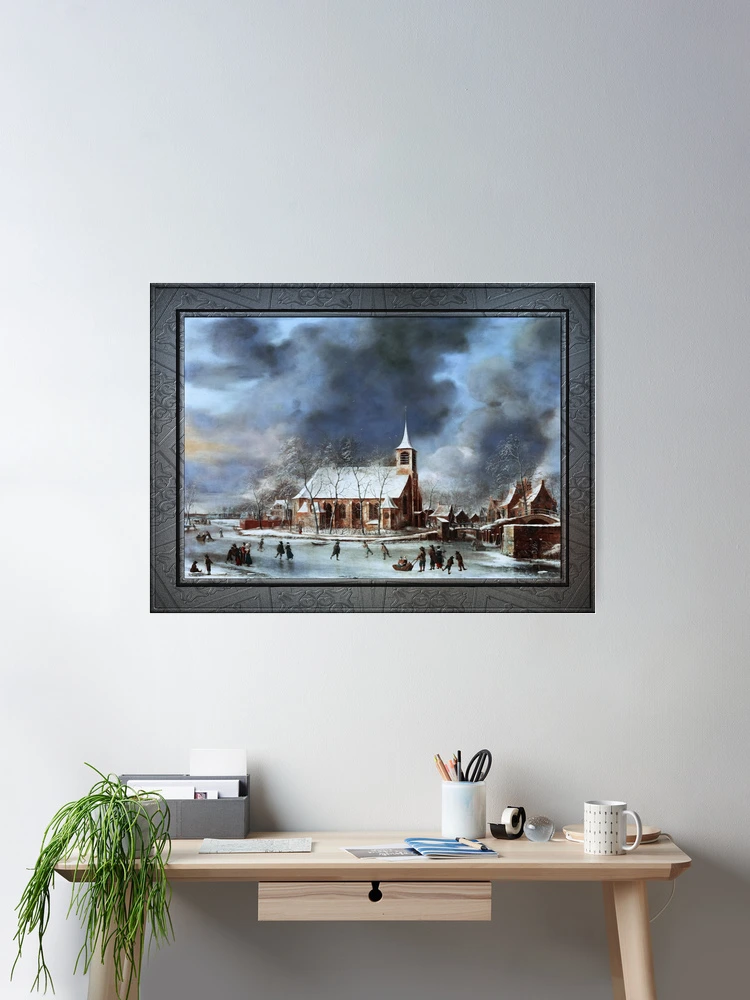
Sicht op de tsjerke yn Sloten yn 'e winter (Utsicht op de tsjerke yn Sloten yn Winter), makke om 1640 nei 1666 troch Jan Abrahamsz Beerstraat (1622 – 1666), in Nederlânske gouden iuw skilder, is ferneamd om syn opmerklike winterlânskippen dy't de essinsje fan it seizoen fange mei libbendich realisme. Yn dit skilderij, Beerstraaten toant syn behearsking fan ljocht, skaad, en sfear, de sjogger ûnderdompelje yn de skerpe skientme fan in beferzen Nederlânsk lânskip. Dit wurk, dy't de kjeld perfekt ferbyldet, knappe winterdei, ek fange de aktiviteit en it libben dat bestie yn dizze hurde omstannichheden, biedt in prachtich momintopname fan it deistich libben yn 'e 17e ieu.
Ynhâldsopjefte
Tsjerke en Arsjitektuer
Yn it hert fan dizze komposysje is de tsjerke, in sintraal skaaimerk yn it doarp Sloten. Beerstraaten pleatst it gebou wat links fan it frame, wêrtroch it de komposysje ferankeret, wylst it omlizzende natuerlike lânskip in soad romte jout.
De ûnderskate toer fan de tsjerke rint boppe de mei snie bedekte dakken, syn arsjitektuer typysk foar de Nederlânske Renêssânse, mei reade bakstiennen muorren dy't skerp kontrastearje mei de winterwite omjouwing. De tsjerke tsjinnet as sawol fysyk as kultureel oriïntaasjepunt, symbolisearret de bliuwende oanwêzigens fan leauwen en mienskip yn in plattelânsgemeente yn Nederlân.
De lytse huzen en struktueren ferspraat om de tsjerke suggerearje in stilte, selsstannige delsetting, typysk foar de perioade. Elk gebou is bedekt mei in dikke tekken fan snie, útlienen fan it toaniel in freedsum, hast serene kwaliteit nettsjinsteande de bytende kjeld.
Winteraktiviteit en sifers
Op de foargrûn, Beerstraaten folje it izige toaniel mei libben. De beferzen farwei tsjinnet as sammelplak foar de doarpsbewenners, dy't reedriders ôfbylde wurde, kuierjen, en meidwaan oan ferskate aktiviteiten. Guon figueren glide sierlik oer it iis op reedriders, wylst oaren sleeën laden mei guod triuwe.
Harren klean, swier en laach, omfiemet bont-lined jassen, hoeden, en laarzen, oanjout de frigide temperatueren. De skilder fange de subtile ynteraksje tusken de figueren en it lânskip, mei soarchfâldich omtinken foar hoe't harren lichems bewege troch de snie en iis.
De libbene sêne is in testamint fan de fearkrêft fan it Nederlânske folk, WSO, nettsjinsteande de hurde winterske omstannichheden, trochgean mei har deistige routines. De sifers, hoewol lyts yn skaal, foegje in gefoel fan realisme ta oan it skilderij, de sjogger herinnerje dat de winter sawol in útdaging as in kâns wie foar rekreaasje en kommersje.
It beferzen lânskip en ljocht
De behanneling fan ljocht en skaad fan Beerstraaten yn dit skilderij is neat minder as bûtengewoan. De ljochte wite snie, dy't de grûn bedekt en de gebouwen bedekt, wjerspegelet it dimmene wintersinneljocht, it meitsjen fan in sêft, hast etheryske gloed troch it toaniel. De himel, dat is fol mei dichte, dwarrelende wolken, suggerearret dat it waar sawol dynamysk as ûnfoarspelber is.
Der brekke mominten fan ljocht troch de wolken, casting koarte ferljochting op dielen fan it toaniel, lykas de dakken of de reedriders hjirûnder. De gearhing fan ljocht en skaad draacht by oan de stimming fan it skilderij, it kreëarjen fan in sfear fan sawol rêst as spanning. De tsjustere wolken boppe de holle jouwe oan dat der in stoarm komme kin, yet the activity of the villagers continues unabated.
Komposysje en styl
Beerstraaten’s style is characterized by a meticulous attention to detail, especially in his rendering of textures. The snow is not just a uniform white mass but is painted with delicate gradations of light and shadow that suggest the varied texture of freshly fallen snow. The ice on the frozen canal is similarly detailed, with patches of darker shadows indicating areas of wear, where the skaters have glided.
The surrounding trees, their branches bare and etched in sharp lines against the sky, add to the starkness of the winter scene. Beerstraaten’s use of atmospheric perspective further enhances the depth of the painting, drawing the viewer’s eye from the foreground to the distant horizon.
Wat komposysje oanbelanget, the balance between the church, the village, en it folk wurdt soarchfâldich ûnderhâlden. Beerstraaten lit gjin inkeld elemint it toaniel dominearje; ynstee, hy lit elk diel fan it skilderij bydrage oan it algemiene gefoel fan harmony. It izige lânskip, mei syn sêft, gedempte kleuren, wurdt kontrast mei de fêstere foarmen fan de tsjerke en de figueren. De tsjerke fungearret as rêstpunt foar it each, it jaan fan de sjogger in plak om te stopjen te midden fan de fisuele drokte fan de figueren en de swirljende wolken boppe.
Moommet en tema
De stimming fan Sicht op de tsjerke yn Sloten yn 'e winter is ien fan stille refleksje. Nettsjinsteande de aktiviteit dy't plakfynt op it iis en de swiere wolken boppe, de sêne fielt serene en kontemplatyf. De doarpsbewenners bewege mei doel, mar harren ynteraksjes mei it miljeu lykje harmonieus, as is de kjeld gewoan in natuerlik diel fan it libben om te akseptearjen.
De gedempte kleuren fan 'e himel en de reflektearjende kwaliteit fan' e snie meitsje in subtile, hast melancholike toan, dochs is der ek in gefoel fan libben en fitaliteit. Beerstraaten omfettet de essinsje fan winter yn Nederlân, wêr't it seizoen hurd is, mar net sûnder syn mominten fan skientme en libbenens. It wurk sprekt oer de fearkrêft fan 'e minsklike geast, it neilibjen fan mienskip mei de natuerlike wrâld, en de ûnbrutsen kontinuïteit fan it libben nettsjinsteande seizoensproblemen.
Konklúzje
Jan Abrahamsz Beerstraaten's Sicht op de tsjerke yn Sloten yn 'e winter is in masterlike útbylding fan in Nederlânsk winterlânskip dat sawol de hurdens as de skientme fan it seizoen fange. Troch syn soarchfâldige werjefte fan 'e arsjitektuer, sifers, en iiskâlde terrein, Beerstraaten makket in sêne dat tagelyk libbendich en rêstich is, kâld noch waarm mei minsklike aktiviteit. It skilderij stiet as in testamint fan syn feardigens as lânskipper en syn fermogen om it tiidleaze ritme fan it deistich libben oer te bringen, sels yn 'e meast útdaagjende omjouwings.
Dit is in retouchearre reproduksje fan âlde masters fan digitale keunst fan in ôfbylding yn it iepenbier domein.
Dizze digitale keunst skepping, lykas mei al it keunstwurk dat te finen is op 'e Xzendor7-webside is online te keap yn in ferskaat oan materiaalformaten, ynklusyf canvasprints, acryl prints, metalen prints, hout prints, framed prints, posters, en as rôlde canvasprints yn in ferskaat oan grutte fan 12 inches oan 72 inch ôfhinklik fan de grutte fan it eigentlike keunstwurk en de print-on-demand winkel wêrfan jo kieze om de keunst te keapjen.
It keunstwurk is ek te krijen op in breed oanbod fan klean foar manlju en froulju, mokken, totes, sjaals, notebooks en tydskriften en in protte home decor produkten.
Oer The Artist
Under Info Courtesy Wikipedia.org
Der is wat betizing oer de identiteit fan fjouwer lânskipsskilders mei de namme Beerstraaten; Johannes, dizze Jan Abrahamsz, Abraham, en Anthony. Jan Abrahamsz, skilder, troud yn Amsterdam op 30 augustus 1642.
Ut dit houlik binne alve bern berne, en doe't er troude in twadde kear yn 1665, in dochter waard berne. Op it stuit, It RKD registreart Johannes as deselde persoan, en Abraham Beerstraaten wurdt beskôge as syn âldste soan.
Anthonie Beerstraaten wie besibbe oan dizze skilder. It RKD hat twa skilderijen oanmeld, tekene Anthonie van Beerstraten: men is in sicht fan in súdlike seehaven fan 1664 (stuit lokaasje Enkhuizen) en de oare in sicht op in tsjerke yn Aarlanderveen yn it eardere stedhûs fan Alphen aan den Rijn. Op grûn fan dizze twa skilderijen C.
Hofstede de Groot in iere Nederlânsk keunsthistoarikus, klassifisearre skilderijen tekene A. Beerstraaten as by Anthonie as se in earmere rang wiene as dy al oan Abraham taskreaun binne.