

Kasta Susana
Kasta Susana: Studium klasycznego piękna i starożytności
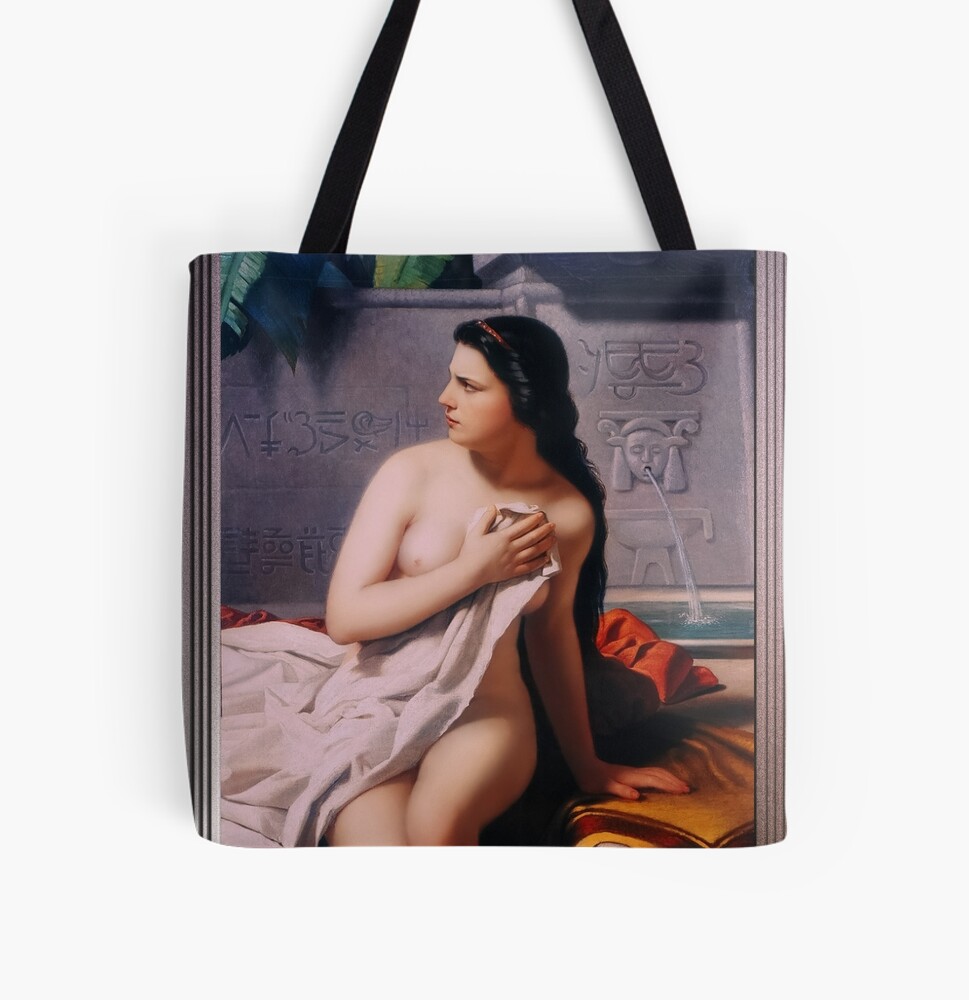
Juana Manuela Blanesa Kasta Susana (Kasta Zuzanny), pomalowane dookoła 1862, to urzekające dzieło będące przykładem fascynacji artysty tematyką klasyczną i umiejętnością ukazywania ludzkiej postaci w sugestywnym otoczeniu. Obraz, charakterystyczny dla stylu akademickiego panującego w połowie XIX wieku, przedstawia scenę przesiąkniętą starożytnością, łącząc elementy mitologii i wyidealizowanego piękna, aby stworzyć fascynującą narrację wizualną. Blanes, urodzony w Urugwaju w 1830 i odejście w 1901, znany był ze swoich obrazów historycznych i portretów, często przepełnione romantyczną wrażliwością. Kasta Susana jest jednym z jego najsłynniejszych dzieł, wykazując zarówno mistrzostwo techniczne, jak i uznanie dla ideałów estetycznych tamtych czasów.
Spis treści
Elementy kompozycyjne & Narrative Context
The composition is carefully structured to draw the viewer’s eye towards the central figure of Susanna (Which depicts a scene from the book of Daniel in which Susanna is falsely accused of promiscuity (przestępstwo zagrożone karą śmierci), przez dwa zmysłowy starsi, którzy obserwowali ją, gdy się kąpała, a następnie próbowali ją szantażować, by uprawiała z nimi seks). She occupies the foreground, positioned slightly off-center within a shallow space that suggests a classical bath or grotto. The background features architectural elements – a stone wall adorned with hieroglyphs and a fountain – which contribute significantly to the painting’s overall atmosphere of ancient grandeur.
These details are not merely decorative; aktywnie ustalają poczucie miejsca, przenosząc widza do krainy przypominającej starożytność Rzymu czy Egiptu. Aranżację równoważy draperia opadająca kaskadą z jej dłoni i żywy pomarańczowy materiał udrapowany na pobliskim gzymsie, tworzenie wizualnych kontrapunktów, które zapobiegają statyczności kompozycji.
The Figure of Susanna: Piękno & Poise
Sama Susanna została przedstawiona z niezwykłą dokładnością anatomiczną i wyidealizowanym pięknem charakterystycznym dla malarstwa akademickiego. Jej poza jest pełna wdzięku, a jednocześnie naturalna; wygląda na to, że właśnie wyszła z wody, jej skóra lekko błyszczała w świetle. Duży biały materiał częściowo zakrywa jej postać, pomysłowo udrapowana na klatce piersiowej i dolnej części ciała, pozostawiając wiele wyobraźni, zachowując przy tym poczucie skromności w kontekście konwencji artystycznych epoki.
Her dark hair cascades down her shoulders, contrasting with the pale tones of her skin. Jej wzrok jest skierowany nieco dalej od widza, suggesting introspection or perhaps a moment of quiet contemplation. The subtle curve of her lips hints at a gentle smile, adding to the overall impression of serenity and grace.
Światło & Paleta kolorów: Evoking Atmosphere

Blanes masterfully employs light and color to create a palpable atmosphere within the painting. Miękki, diffused light illuminates Susanna from an unseen source, highlighting the contours of her body and creating subtle gradations in tone. The palette is dominated by muted earth tones – creams, Browns, and grays – which evoke the feeling of stone and water. The splashes of color, the vibrant orange cloth and the verdant green foliage visible behind the wall, provide visual interest and prevent the scene from becoming monotonous. The interplay of light and shadow enhances the three-dimensionality of the figure and the architectural elements, contributing to a sense of realism despite the painting’s idealized subject matter.
Detale architektoniczne & Symbolic Significance
The background architecture is integral to the painting’s meaning. The stone wall covered in hieroglyphs immediately evokes ancient Egypt, suggesting a connection between Susanna and the mysteries of antiquity. The fountain, with its gentle cascade of water, symbolizes purity and renewal, themes often associated with bathing rituals in classical cultures. These architectural details are not merely decorative; they serve to contextualize Susanna within a broader narrative of history and mythology. The inclusion of these elements elevates the painting beyond a simple portrait, transforming it into a meditation on beauty, czas, and the enduring allure of the past.
Wpływ artystyczny & Dziedzictwo
Kasta Susana reflects the influence of Neoclassicism and Romanticism, two dominant artistic movements of the 19th century. The emphasis on classical forms and idealized beauty aligns with Neoclassical principles, while the evocative atmosphere and emotional depth resonate with Romantic sensibilities. Blanes’ work demonstrates a clear understanding of academic painting techniques, including meticulous anatomical study, skillful rendering of light and shadow, and careful attention to compositional balance. The painting remains an important example of Uruguayan art history, showcasing the country’s engagement with European artistic trends during the mid-19th century. It continues to be admired for its technical brilliance and its evocative portrayal of classical beauty within a timeless setting.
Artist Bio Juan Manyel Blanes
Juan Manuel Blanes was a prominent figure in the development of art in Uruguay during the 19th century. He studied in Europe, where he was exposed to the styles and techniques of the great European painters of the time. He is known for his detailed and realistic depictions of historical events and figures, often with an emphasis on military and political themes.
He also painted portraits, landscapes and everyday life scenes. He is considered the first great Uruguayan painter of historical themes, his paintings are considered a visual chronicle of the country’s history. Some of his most famous works include “The Battle of Cerro Corá,” “The Surrender of Manuel Oribe,” i “The Oath of the Constitution of 1830.”
Jest to wyretuszowana reprodukcja obrazu z domeny publicznej, wykonana w formie cyfrowej, która jest dostępna w sprzedaży online jako zrolowany obraz na płótnie.