

Monument to Mignard c1735
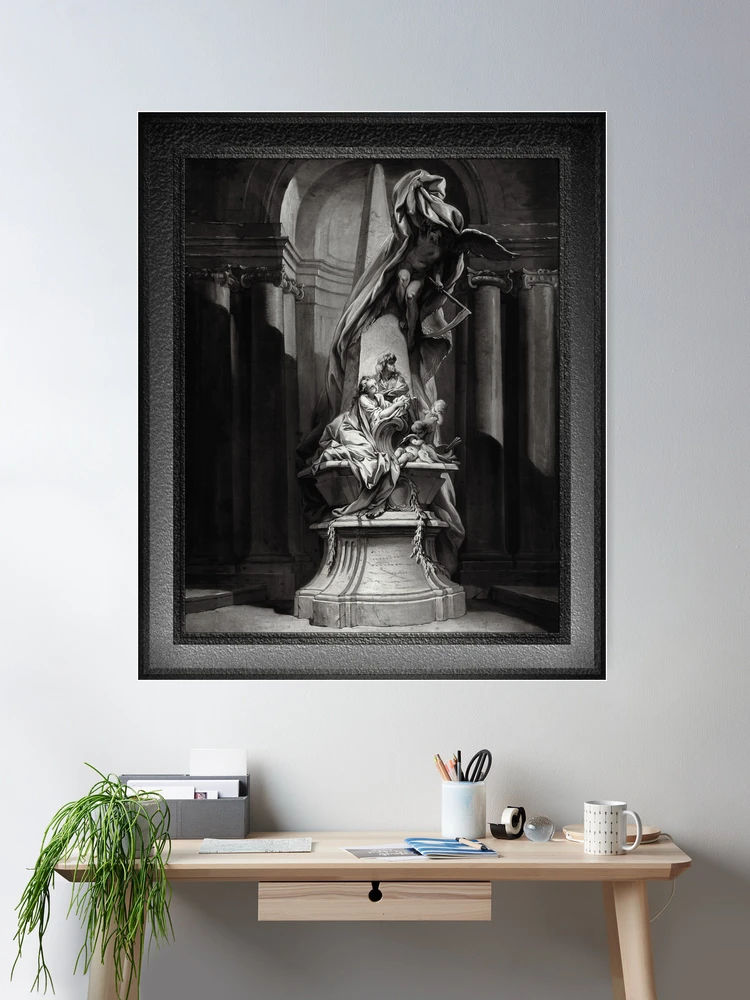
Monumento a Mignard c1735 pelo pintor francês François Boucher (1703 – 1770); também conhecido como desenhista, gravador e decorador ao estilo rococó francês, era bem conhecido por seu pródigo mitológico, motivos alegóricos e eróticos e foi o pintor da corte de Luís XV e um dos favoritos da Marquesa de Pompadour.
François Boucher “Monumento a Mignard,” pintado ao redor 1735, is a compelling and emotive depiction of the human condition, crafted in the Rococo style. This masterpiece is a tribute to either the renowned French artist Pierre Mignard (1612–1695), known as Mignard le Romain or his brother Nicolas Mignard (1606 -1668) known as Mignard d’Avigno. Both french painters known for their portraits, religious and mythological scenes; who were influential figures in French art and the predecessor of many Rococo artists. The monument represents both the grandeur of the Mignard legacy and the ethereal qualities of art and immortality.
Índice
Estilo e técnica
Boucher’s approach to the painting combines the elegance of Rococo with the formal compositional structure of Baroque. Rococo art is known for its lightness, graça, and often playful themes, which are all present in this piece. O macio, delicate brushwork and gentle tonal contrasts give the painting a serene, qualidade quase onírica. The use of chiaroscuro—the dramatic contrast between light and dark—adds a deep emotional gravity to the otherwise graceful and fluid scene. Despite the subject’s connection to a memorial, Boucher imbues the scene with an otherworldly sense of beauty, elevating the theme of remembrance into one of reverence and artistic transcendence.
The artist’s signature light palette—an array of soft grays, brancos, and muted earth tones—dominates the work. The use of these tones is characteristic of Boucher’s style, which often sought to evoke feelings of serenity and contemplation through the careful modulation of light and shadow. The careful blending of the figures and environment further enhances the romantic and serene nature of the piece, which contrasts with the heavy, monumental subject matter.
Tema e humor
No seu coração, “Monumento a Mignard” explores the concept of artistic immortality. Through Boucher’s portrayal, Mignard is both physically and symbolically immortalized. The monument in the artwork is not just a physical structure but represents the enduring legacy of Mignard’s contributions to French art, ensuring his influence persists long after his death.
There is a melancholic yet noble atmosphere to the piece. The figures that surround the monument, seemingly in mourning, represent the continuation of Mignard’s artistic lineage. A figura central, draped in flowing robes and seated in a solemn pose, could be seen as an allegorical figure of Fame or Art itself, preserving and honoring Mignard’s memory. Surrounding this figure are other smaller figures, each contributing to the narrative of loss and tribute. Their expressions of grief are subtle yet poignant, underlining the emotional weight of the scene.
The overall mood of the painting is one of quiet reverence. There is no overt display of sadness or grief, but rather a meditative reflection on the passage of time and the eternal nature of art. Boucher’s use of light and shadow in the scene also conveys a sense of transcendence, where the figures appear to exist between the earthly and divine realms.
The Monument and Surrounding Elements
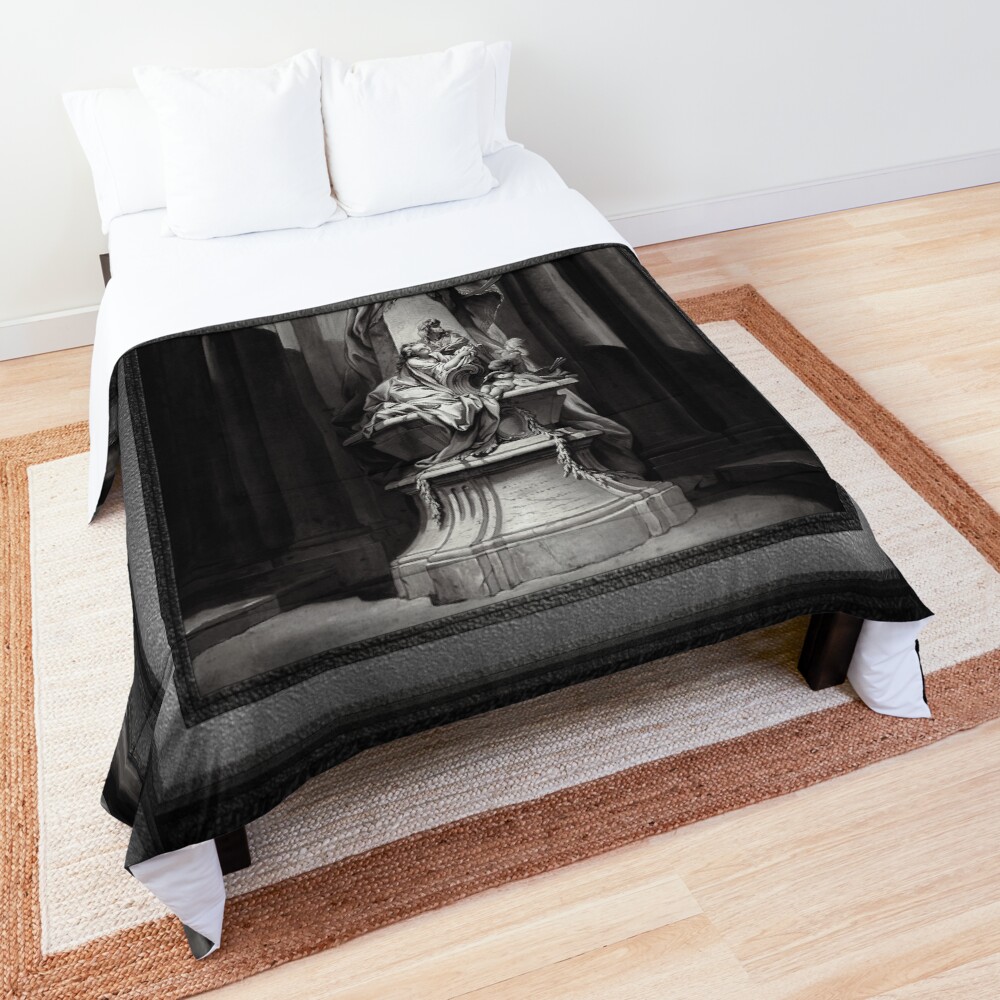
The monumental structure that stands at the center of the composition is both imposing and elegant. It is a grand obelisk-like column, adorned with flowing drapery that seems to animate the sculpture, bringing it to life. The monument serves as a symbol of both the permanence of Mignard’s artistic achievements and the transient nature of human life. The draped fabric around the monument adds a sense of softness, reminding the viewer of the connection between life and death, beauty and loss.
The surrounding architecture, with its classical columns and arc-like structures, references the grandeur of ancient Roman or Greek monuments. These elements enhance the sense of timelessness, suggesting that Mignard’s legacy is not merely confined to the present but is part of a greater historical continuum. The architecture serves as a visual counterpart to the central monument, grounding the ethereal figures and adding depth to the space.
The sculptural elements, both on the monument and surrounding it, add to the solemnity of the scene. Small figures of children and angels are seen in the painting, representing the innocence and purity that continue even in the face of death. These figures emphasize the cyclical nature of life and the unbroken continuity of artistic expression. In this, Boucher elevates Mignard to a nearly divine status, suggesting that through his art, Mignard has achieved a kind of immortality.
The Figures and Their Significance
The figures depicted in the painting are not merely decorative; each one plays a role in the overall narrative of artistic immortality. At the center of the scene, a draped figure—possibly an allegorical representation of Fame or Art—gently points toward the monument, guiding the viewer’s attention to Mignard’s legacy. This figure seems to embody the concept of memory and preservation, ensuring that the artist’s achievements will not fade away with time.
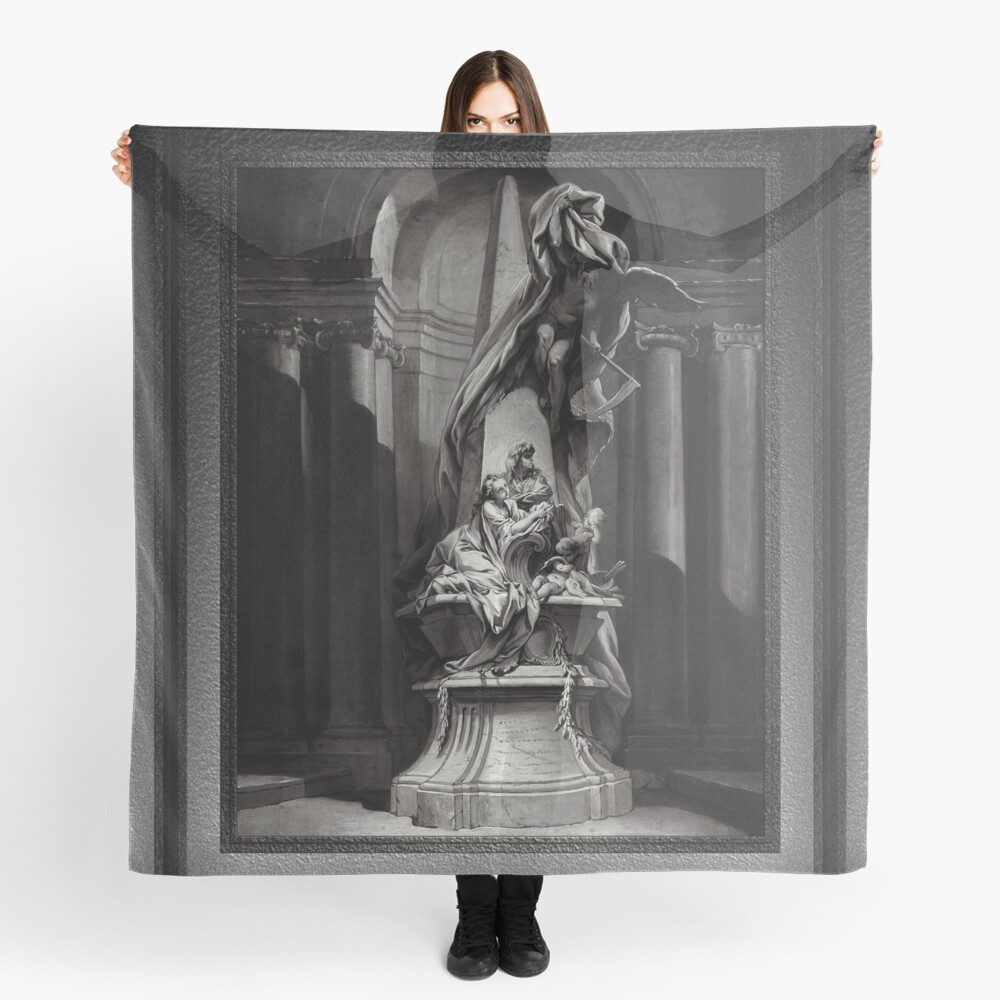
In addition to the central figure, several smaller figures can be observed seated or standing near the monument. Esses números, often depicted in a state of contemplation or mourning, serve as representations of the viewers or admirers of Mignard’s work. Their placement around the monument suggests that art is not an isolated endeavor, but a collective experience shared by many. This idea reinforces the theme of art as an enduring force, capable of uniting generations across time.
The use of drapery in the figures’ clothing, particularly in the robes of the central figure, is typical of Boucher’s style. The flowing fabrics emphasize the movement and grace of the figures, suggesting both the passage of time and the connection between the living and the deceased. The gentle folds of the fabric add an element of softness to the otherwise rigid monument, symbolizing the balance between life and death, the ephemeral and the eternal.
Conclusão
Boucher’s “Monumento a Mignard” is a rich and evocative work that goes beyond simply memorializing an artist. Through the Rococo style, Boucher creates a scene that feels both timeless and intimate. The painting is a meditation on memory, immortality, and the perpetual nature of art. By combining elements of classical architecture, soft tonalities, and allegorical figures, Boucher elevates the figure of Mignard to a symbolic plane, forever enshrined within the realm of artistic and cultural immortality.
Monument to Mignard é uma reprodução de arte digital retocada de uma imagem de domínio público.
Informações abaixo de Wikipedia.org
Um nativo de Paris, Boucher era filho de um pintor menos conhecido Nicolas Boucher, que lhe deu sua primeira formação artística. Na idade de dezessete, uma pintura de Boucher foi admirada pelo pintor François Lemoyne. Lemoyne posteriormente nomeou Boucher como seu aprendiz, mas depois de apenas três meses, ele foi trabalhar para o gravador Jean-François Cars.
Dentro 1720, ele ganhou o Grande Prêmio de Roma de elite de pintura, mas não aproveitou a oportunidade conseqüente de estudar na Itália até cinco anos depois, devido a problemas financeiros na Royal Academy of Painting and Sculpture.[1] Ao retornar dos estudos na Itália, ele foi admitido na refundada Académie de peinture et de sculpture em 24 novembro 1731. A peça de recepção dele (peça de recepção) eram seus Rinaldo e Armida de 1734.
Boucher casou-se com Marie-Jeanne Buzeau em 1733. O casal teve três filhos juntos. Boucher tornou-se membro do corpo docente em 1734 e sua carreira acelerou a partir deste ponto quando ele foi promovido a Professor e então Reitor da Academia, tornando-se inspetor na Royal Gobelins Manufactory e, finalmente, Premier Peintre du Roi (Primeiro pintor do rei) no 1765. Retrato de Marie-Louise O’Murphy c. 1752
Boucher morreu em 30 Poderia 1770 em sua Paris natal. O nome dele, junto com a de sua patrona Madame de Pompadour, tornou-se sinônimo do estilo rococó francês, levando os irmãos Goncourt a escrever: “Boucher é um daqueles homens que representam o sabor de um século, quem expressa, personificá-lo e incorporá-lo.”
Boucher é famoso por dizer que a natureza é “muito verde e mal iluminado” (muito verde e mal iluminado).
Boucher foi associado ao gravador de pedras preciosas Jacques Guay, a quem ele ensinou a desenhar. Ele também foi mentor do pintor austríaco-morávio Martin Ferdinand Quadal, bem como do pintor neoclássico Jacques-Louis David em 1767.[4] Mais tarde, Boucher fez uma série de desenhos de obras de Guay que Madame de Pompadour então gravou e distribuiu como um volume lindamente encadernado para cortesãos favoritos