

Order Please
Alberto Vargas placeholder image, a Peruvian-born artist renowned for his glamorous and captivating pin-up illustrations, geschaf Order Please an der Mëtt vum 20. Joerhonnert. Known for his impeccable ability to blend sensuality with elegance, Vargas’s works became iconic in American pop culture. Dëst bestëmmt Stéck, Order Please, showcases the artist’s mastery of form, Faarf, and his ability to create captivating female figures. Gebuer zu 1896 a passéiert an 1982, Vargas’s legacy continues to influence the art world, particularly within the realms of pin-up art and the depiction of female beauty.
Inhaltsverzeechnes
Haaptthemium
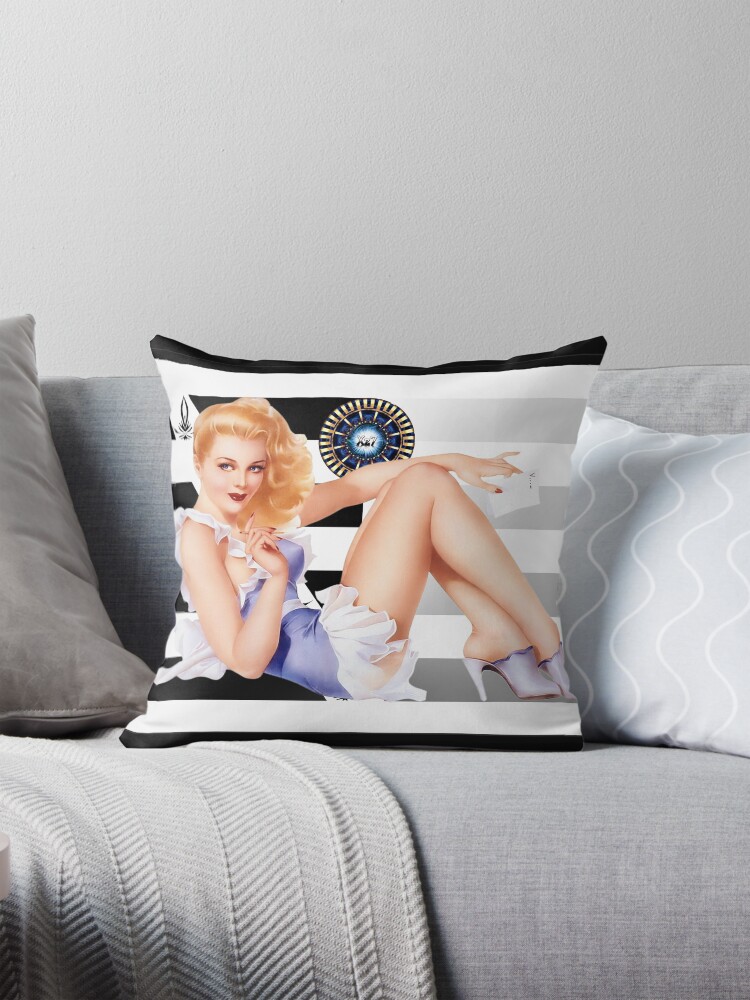
D'Haaptrei Sujet vun Order Please ass eng Fra, poised in a relaxed yet confident posture. Seated with her legs crossed, she gazes directly at the viewer with a playful yet seductive expression. The woman’s platinum blonde hair is styled in soft waves, accentuating the vintage glamour that defines Vargas’s pin-up art.
She wears a delicate, ruffled garment with a soft pastel palette, primarily white, which contributes to the airy, ethereal feel of the image. The soft folds of her clothing and her poised position emphasize both her femininity and her strength, exuding an aura of elegance and charm.
Hir Gesiichtsausdrock ass ee vu rouege Vertrauen, subtly suggestive yet not overtly sexual. Hire Bléck ass direkt, engaging the viewer with an almost whimsical invitation to admire her beauty. The contrast between the softness of her attire and the boldness of her expression makes her appear both approachable and mysterious. Her nude or bare shoulders further enhance the sensual aspect of her appearance, while the simplicity of her pose and attire keeps the focus on her natural allure.
Objeten
Am Virdergrond vum Bild, the woman holds a white object delicately in her right hand, though its precise nature is not entirely clear. It could be interpreted as a folded letter or a piece of paper, suggesting communication or perhaps a message.
This simple object, obwuel kleng, contrasts with the grandeur of the figure, creating a subtle narrative element that complements the overall theme of the artwork. The use of this item as a focal point helps to balance the viewer’s attention between the woman’s form and the object’s ambiguity, which adds a layer of intrigue to the piece.
There is also a subtle round emblem, positioned in the upper-right corner of the artwork. This emblem, wärend net an der visueller narrativ ausgebaut, evokéiert e Gefill vun Uerdnung an Autoritéit, op den Titel hinzeginn Order Please. Den Emblème a seng Plazéierung schéngen e formell oder kontrolléiert Element an der soss informeller a spillerescher Atmosphär vun der Fra hir Pose aféieren, subtil verstäerkt d'Thema Kommando an Eleganz.
Terrain an Hannergrond
Den Hannergrond vun Order Please besteet aus ofwiesselnd schwaarz a wäiss Sträifen, déi am Géigesaz zu de méi mëllen Téin vun der Fra hir Figur a Kleedung schaarf kontrastéieren. Dës Sträifen déngen verschidde Zwecker: si Buedem d'Figur an engem abstrakt, grafesch Ëmfeld wärend och déi glat Konturen vun hirem Kierper ënnersträicht.
D'Stärkheet vun de schwaarz-wäiss Sträifen schaaft eng dynamesch Spannung mat de méi organesche Kéiren vun der Figur, d'Harmonie tëscht der mënschlecher Form a senger Ëmwelt ënnersträichen. This contrast is a characteristic element of Vargas’s style, where he often employed bold, graphic backgrounds to underscore the sensuality of the female figures without overwhelming them.
The geometric nature of the background adds a layer of modernity to the otherwise vintage and timeless feel of the figure. The stripes lend a sense of order and structure, making the subject’s relaxed, confident demeanor seem even more out of place within such an ordered space. This contrast of elements creates a visual tension that draws the viewer’s eye toward the central figure while maintaining the graphic integrity of the overall composition.
Stil, Thema, a Stëmmung
Alberto Vargas’s work is deeply rooted in the pin-up style, characterized by its playful sensuality, idealiséiert Schéinheet, and vibrant color schemes. The painting exudes a sense of glamour and sophistication, with the sensuality of the subject tempered by the clean lines and formal environment of the background.
D'Stëmmung vum Order Please is one of confident allure, with the woman depicted as both approachable and commanding. The juxtaposition of soft, feminine curves and the structured geometric lines of the background gives the piece a dynamic balance, characteristic of Vargas’s ability to infuse life into a static image.
The theme of order, suggested by the title, plays out in the contrast between the soft and the structured, the sensual and the formal. The image of a woman comfortably seated, exuding confidence and poise, reflects the idea of control and elegance amidst the orderliness of the world around her. Vargas’s pin-up art, often considered a form of escapism, invites the viewer to partake in a world where beauty and grace rule, and where the viewer’s gaze is captured by both the subject’s physical form and the implied narrative of the scene.
The use of color also plays a critical role in the piece’s overall mood. The soft pastels of the woman’s clothing, contrasted with the bolder black-and-white stripes, create a visual harmony that speaks to the idealization of beauty, while the intensity of the subject’s expression suggests a deeper, more complex emotional depth than would otherwise be inferred from her attire alone.
Conclusioun
Order Please by Alberto Vargas is a masterful example of mid-20th-century pin-up art, blending sensuality with sophistication and creating a visual narrative that speaks to both the strength and vulnerability of the female form. The confident pose of the subject, the abstracted background, and the interplay of soft and bold elements all contribute to an artwork that is both timeless and evocative. Duerch dëst Stéck, Vargas continues to exemplify his unparalleled skill in capturing the essence of feminine beauty and the interplay of order and sensuality.
Dëst ass eng remastered digital Konscht al Master Reproduktioun vun engem Public Domain Bild dat als verfügbar ass Leinwandprint online.
Kënschtler Bio vum Wikipedia.org
Gebuer zu Arequipa, Peru, hie war de Jong vum bemierkenen peruanesche Fotograf Max T. Vargas. Den Alberto Vargas ass an d'USA geplënnert 1916 nom Konscht an Europa studéiert hunn, Zürich, a Genf virum Éischte Weltkrich.
Wärend hien an Europa war koum hien op d'franséisch Magazin La Vie Parisienne, mat engem Cover vum Raphael Kirchner, déi hie gesot huet e groussen Afloss op seng Aarbecht.
Seng fréi Karriär zu New York enthält Aarbecht als Kënschtler fir den Ziegfeld Follies a fir vill Hollywood Studios. Den Ziegfeld hänkt säi Bild vum Olive Thomas am Theater, a si gouf als eng vun den eelste Vargas Girls ugesinn.
Vargas’ dat bekanntst Stéck Filmwierk war fir d'Plakat vum 1933 Film The Sin of Nora Moran, déi weist eng bal plakeg Zita Johann an enger Pose vun der Verzweiflung. D'Plakat gëtt dacks als ee vun de gréisste Filmplakater genannt, déi jeemools gemaach gi sinn.
Hie gouf wäit bemierkt an de 1940er Joren als Ersteller vun ikonesche Weltkrich-II Ära Pin-ups fir den Esquire Magazin bekannt als “Vargas Girls.” Tëscht 1940 an 1946 Vargas produzéiert 180 Biller fir de Magazin.
D'Nueskonscht vu ville amerikaneschen an alliéierten Zweete Weltkrich Fligeren gouf inspiréiert an adaptéiert vun dësen Esquire Pin-ups, wéi och déi vum George Petty, an aner Kënschtler.