

Emakume Gazte baten Erretratua (Emakume gazte baten erretratua)
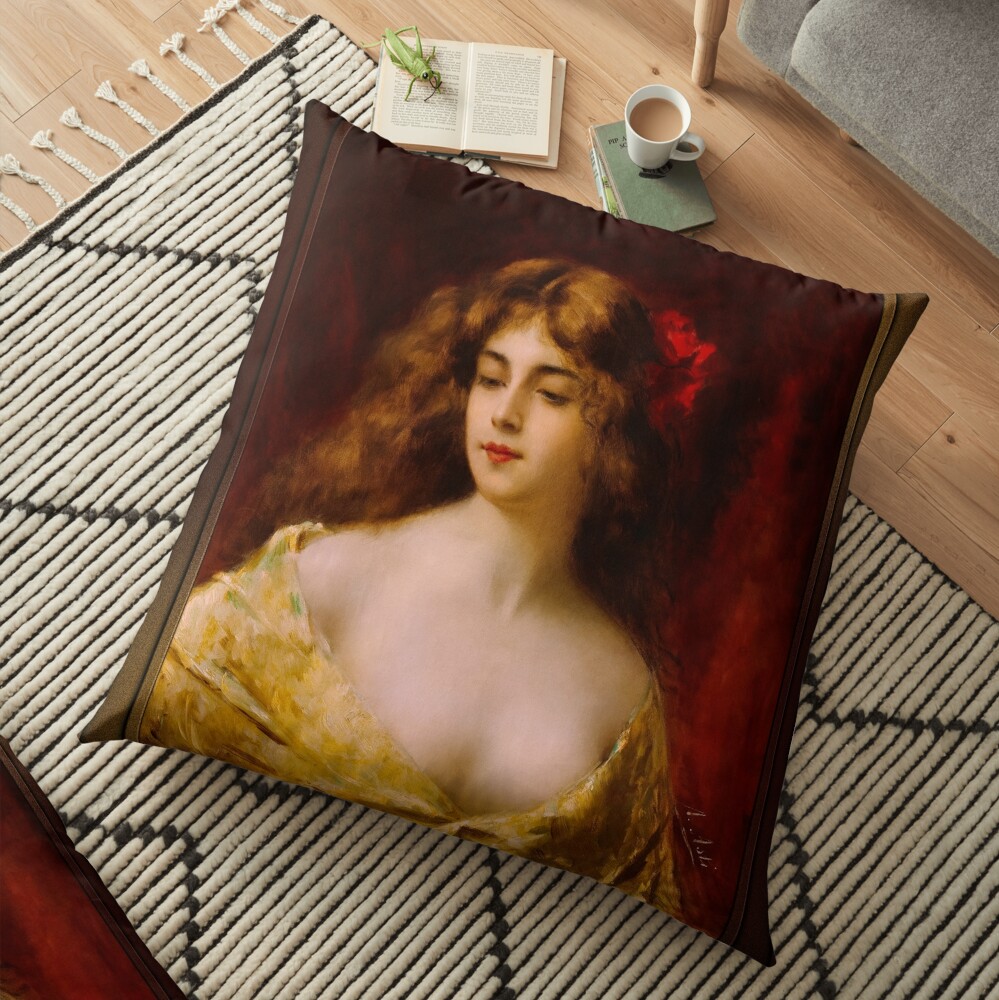
“Erretratua Emakume Gazte Batena” (Emakume gazte baten erretratua) mendearen amaieran Angelo Asti artista frantses ospetsuak egindako olio-pintura maisu bat da.. urtean jaioa 1847 eta bertan hiltzea 1903, Asti bere erretratu dotore eta adierazgarriengatik ezaguna zen, horietako askok irakasgaien dotorezia eta dotoretasuna jaso zuten, sarritan, sofistikazio sentsazioa transmititzen zuten atzealde atmosferikoetan kokatuta. Erretratu zehatz hau, bere ibilbidearen barruan datatua, Errealismoa ia ametsezko kalitatearekin nahasteko duen gaitasun aparta erakusten du, emakume gazteari xehetasun delikatuak emanez, ikuslearen arreta erakartzen duten gaiari zein bere inguruko konposizio aberatsari.
Edukien taula
Gai nagusia eta aldartea
The central figure of the painting is a young woman, poised and serene, exuding a sense of calmness and grace. Bere aurpegia, bere bigunarekin, rounded features, is the focal point, drawing the viewer’s gaze immediately. The artist has used gentle shading around her delicate features, highlighting her porcelain-like complexion. She gazes downward with a slight tilt of her head, and her soft, dark eyes seem to convey both introspection and quiet confidence. Bere ezpainak, painted with a subtle red hue, are parted just enough to suggest a poised but introspective expression.
The mood of the painting is one of tranquility and modest beauty, which is heightened by the soft, almost ethereal light that seems to envelop the subject. There is an inherent warmth in the painting, which comes not only from the light but also from the rich textures of her clothing and the overall warmth of the color palette used by Asti.
The young woman’s loose, wavy hair, colored in a chestnut hue, is arranged loosely, falling over her shoulders with natural movement. A red rose, delicately tucked into the right side of her hair, adds a note of sensuality and femininity to the piece, though it is understated enough to maintain the overall refined and dignified mood. This detail is both an aesthetic choice and a symbolic one, possibly alluding to the classical idea of beauty and the fleeting nature of youth, much like the symbolism associated with flowers in art.
Arropa eta Materialak
The subject of the portrait is adorned in a luxurious yellow garment that drapes gracefully over her shoulders. Oihalak aberatsa eta oparoa dirudi, baliteke zeta edo satin finaren adierazgarri, eta berotasun geruza bat gehitzen dio piezari bere urrezko tonuen bidez. Goiko argi iturriak astiro-astiro argitzen du ehuna dariola, margolanaren ehundura eta mugimendua hobetzen duten toles leunak sortuz. Oihalaren maneiu delikatuak argiaren eta ehunduraren ñabardurak harrapatzeko Astiren trebetasuna erakusten du., materiala ia ukigarria den zerbait bihurtuz.
Arroparako aukeratutako koloreek ederki kontrastatzen dute hondoko tonu ilunekin. Jantzi horiak atzeko planoan nagusi diren tonu ilunekiko zubi bisuala sortzen du, oraindik ere bere aberastasunarekin nabarmentzen den bitartean. Konposizio osoa, subjektuaren soineko beroarekin eta aurpegi-adierazpen lasaiarekin, gives a sense of harmony between the figure and the atmosphere created by the artist.
Asti’s technique in rendering the fabric of the woman’s dress is refined and full of subtle detail. Draperia, despite being soft, is clearly defined, each fold skillfully created to reflect the light that falls upon it, enhancing the fluidity and natural form of the material.
Atzeko planoa eta ezarpena
-ren atzealdea “Portrait of A Young Woman” is painted in warm, deep reds and browns, intimo bat sortuz, enclosed environment that places the subject in a timeless space. There are no discernible elements that could suggest an external or specific location, which keeps the focus entirely on the subject. The lack of any specific setting allows the figure of the young woman to stand in solitude, almost suspended in time, horrek koadroa intimo eta pribatu sentiarazten du.
Atzeko planoaren tonu gorri aberatsek emakumearen soineko hori beroarekin kontrajartzen dute, elkarrizketa bisual sotil baina indartsua eskainiz. Sakona, tonu beroek grina eta kontenplazio lasaia pizten dute, baliteke emakumearen espresioaren azalera lasaiaren azpian kontakizun sakonago bat iradokitzea.
Estiloa eta Teknika
Angelo Astiren estilo artistikoa, margolan honetan nabari denez, mendeko tradizio akademikoan errotuta dago, Frantziako errealismoaren mugimenduaren eraginez. Xehetasun finen erabilera, bereziki subjektuaren aurpegia eta arropa irudikatzean, garaiaren ezaugarria den teknika menderatzea erakusten du. Pintura oso findua da, and the smoothness of the skin tones is juxtaposed with the expressive texture of the fabrics and the background. Pintzelada, though finely executed, is also quite fluid in the folds of the dress and the texture of the hair, creating a balanced effect between realism and subtle romanticism.
The play of light and shadow in the painting is another element that highlights Asti’s technical prowess. The soft glow surrounding the subject contrasts beautifully with the darker, almost velvety shades of the background. This lighting effect elevates the subject, making her appear almost radiant, with a divine or ethereal quality. Such treatment of light adds to the serene mood of the painting, almost as if the young woman exists in a world apart from earthly concerns.
Bukaera
In “Portrait of A Young Woman,” Angelo Asti successfully captures not only the outward beauty of the subject but also her inner grace and quiet elegance. The combination of intricate detail in the face, jarioa, opulent gown, eta beroa, enveloping background create a sense of timeless beauty. Pintura, with its subdued yet rich color palette, speaks to the artist’s refined technique and his deep understanding of the emotional and aesthetic dimensions of portraiture. This piece stands as a testament to Asti’s skill in conveying both the personality and the beauty of the subject, blending realism with romantic idealization, and offering a glimpse into the quiet power of feminine grace.
Arte digital birmasterizatua da, sarean mihise inprimatu gisa eskuragarri dagoen domeinu publikoko irudi baten erreprodukzioa..