

マダムXの肖像
マダムXの肖像, フランスの画家による芸術家の娘 c1758-60 フランソワ・ブーシェ (1703 – 1770); 製図技師としても知られています, フランスのロココ様式の彫刻家と装飾家, 彼の豪華な神話でよく知られていました, 寓話的でエロティックなモチーフであり、ルイ15世の宮廷画家であり、ポンパドゥール夫人のお気に入りでした。.
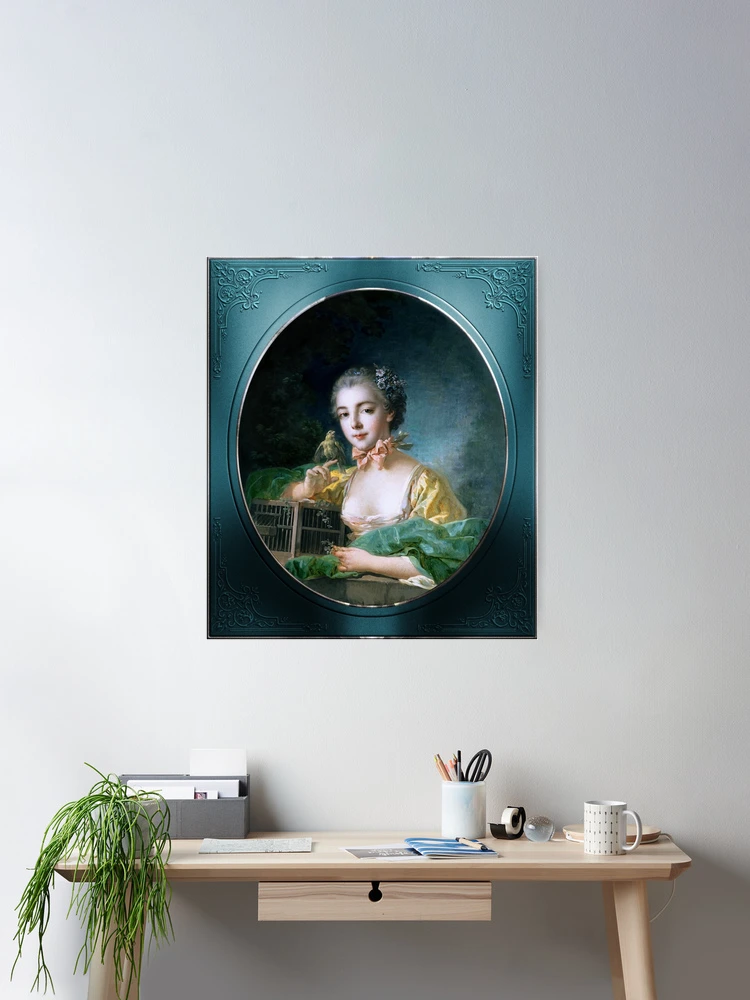
This artwork by the celebrated French Rococo painter François Boucher captures an exquisite moment of elegance and grace. This painting is a prime example of the Rococo style, which flourished in France during the early to mid-18th century, characterized by its lightness, 恵み, and use of soft, パステルカラー.
The subject of the portrait is Madame Badouin, the artist’s daughter, who is depicted with remarkable sensitivity and beauty. ソフト, delicate nature of her features, her youthful countenance, and her serene expression all embody the grace and poise that were idealized in the Rococo period. The portrait has a gentle, intimate quality, inviting the viewer into the subject’s personal space.
構図の中心にあるのは, Madame Badouin is presented in a three-quarter view, her head slightly turned as if she is caught in a moment of quiet contemplation. Her gaze is directed slightly off to the side, creating an impression of introspection, yet there is a subtle connection with the viewer, as if she is aware of being observed.
Her facial features are rendered with delicate precision: her fair skin is soft and smooth, her lips slightly parted in a demure expression, and her large, expressive eyes reflect a sense of intelligence and calm. The artist has emphasized the softness of her features, using subtle transitions between light and shadow to create a lifelike, almost ethereal appearance.
Madame Badouin’s attire is a masterful representation of the Rococo fashion of the time. She is dressed in an opulent gown of pale yellow and soft green hues, with layers of sheer fabric that flow gracefully around her. The gown’s texture is depicted with meticulous detail, showing the fine, almost weightless nature of the materials.
The artist has captured the flow and drape of the fabric with a sense of fluidity, suggesting the movement of the fabric as the subject sits serenely. A large pink ribbon is tied loosely at her throat, adding a touch of playful color that contrasts with the softness of the gown and further enhances the light, airy quality of the portrait.
Her coiffed hair, which is styled in soft waves and adorned with delicate flowers, is another hallmark of the Rococo period. The careful attention to detail in her hairstyle not only highlights the fashion trends of the time but also adds a sense of natural beauty, as though her appearance is effortlessly graceful. The flowers in her hair seem to symbolize youth and femininity, enhancing the overall sense of delicacy and refinement.
One of the most striking aspects of this portrait is the bird perched on the artist’s daughter’s finger. This small detail plays an important symbolic role in the painting, contributing to the overall theme of innocence and natural beauty.

The bird, with its muted plumage, contrasts with the lushness of the surrounding landscape and the softness of Madame Badouin’s attire. It also suggests a connection to nature, a recurring theme in Rococo art, which often celebrated the beauty of the natural world, the pastoral, and the idealized version of life in harmony with nature.
The background of the painting is equally carefully constructed. 図の後ろ, a dark, lush landscape unfolds, with trees and foliage softly blurring into the distance. 豊かな使い方, muted green palette creates an almost dreamlike effect, enhancing the ethereal mood of the portrait.
This natural setting not only contrasts with the softness of the figure but also symbolizes a connection between Madame Badouin and the world around her. The painter’s skillful rendering of light and shadow creates depth and atmosphere, giving the scene a tranquil, almost timeless quality.
The overall mood of the portrait is one of calm elegance. The colors are soft and harmonious, with pastel shades predominating in both the subject’s attire and the background. The figure is illuminated in such a way that the face and hands are gently highlighted, creating a subtle focal point that draws the viewer’s attention to the subject’s expression and demeanor. There is a serene quality to the painting, one that evokes the idealized virtues of youth, 美しさ, and grace that were central to the Rococo aesthetic.
François Boucher’s technique in this painting is exemplary of his mastery of the Rococo style. His brushwork is fluid and refined, ソフトを作成します, luminous texture that enhances the delicate nature of the subject. His use of light and color is equally sophisticated, with the artist skillfully capturing the interplay of natural light and shadow on Madame Badouin’s face and clothing. The soft transitions between colors and the subtle blending of tones demonstrate Boucher’s expertise in creating a smooth, 洗練された仕上げ.
結論は, フランソワ・ブーシェ “Portrait of Madame Badouin, The Artist’s Daughter” is a stunning example of Rococo portraiture, where the subject’s beauty, 恵み, and connection to nature are captured with sensitivity and elegance. The soft palette, delicate detailing, and serene mood of the painting convey the idealized qualities of youth and femininity that were highly valued during the Rococo period. Through this portrait, Boucher not only immortalizes his daughter but also provides a glimpse into the Rococo vision of beauty and refinement.
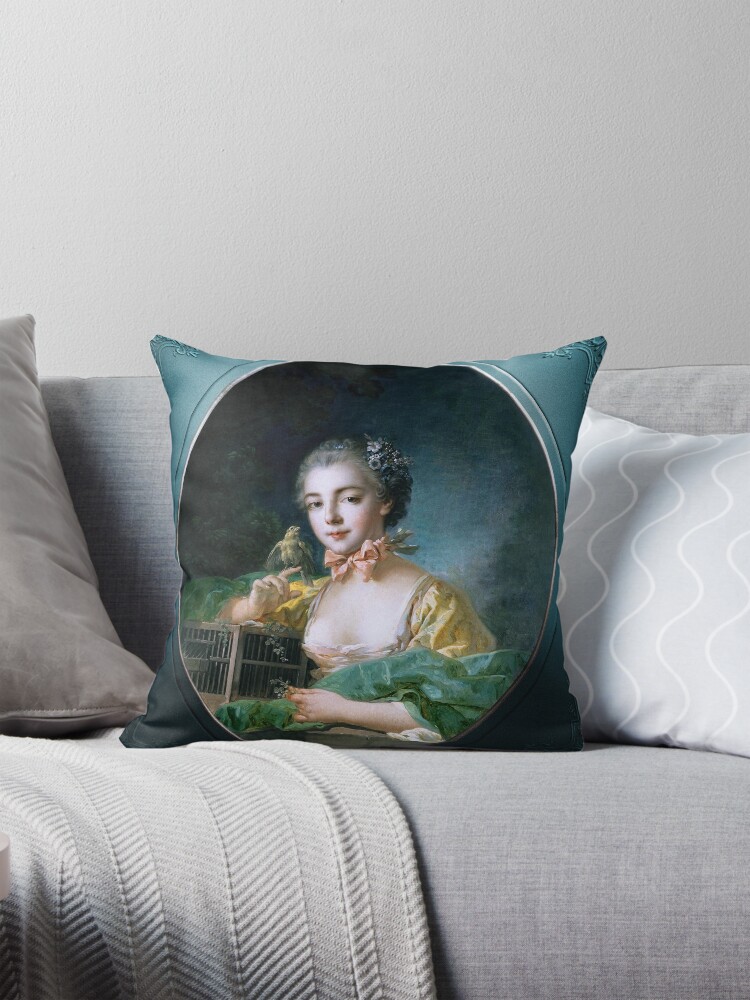
マダム・バドゥアンの肖像画は、パブリック ドメインの画像を修正したデジタル アートの古い巨匠の複製です。.
以下の情報から派生 Wikipedia.org
パリ出身, ブーシェはあまり知られていない画家ニコラスブーシェの息子でした, 彼に彼の最初の芸術的訓練を与えた人. 17歳で, ブーシェの絵画は、画家フランソワ・ルモワンに賞賛されました. Lemoyneは後にBoucherを彼の見習いとして任命しました, でもたった3ヶ月で, 彼は彫刻家ジャン=フランソワ・カーズのために働きに行きました.
に 1720, 彼は絵画でエリートローマグランプリを受賞しました, しかし、5年後までイタリアで勉強する結果的な機会をとらなかった, 王立絵画彫刻アカデミーの財政問題のため。[1] イタリアでの勉強から戻ったとき、彼は再建された王立絵画彫刻アカデミーに入学しました。 24 11月 1731. 彼のレセプションピース (レセプションピース) 彼のリナルドとアルミダは 1734.
ブーシェはマリージャンヌブゾーと結婚しました 1733. カップルには3人の子供がいました. Boucherはの教員になりました 1734 そして彼のキャリアはこの時点から加速し、彼は教授、そしてアカデミーの学長に昇進しました。, 王立ゴブラン製作所の検査官になり、ついに国王の筆頭画家になりました (王の最初の画家) に 1765. マリー=ルイーズ・オマーフィーの肖像c. 1752
ブーシェはで死んだ 30 5月 1770 彼の生まれ故郷のパリで. 彼の名前, 彼の常連客であるポンパドゥール夫人のそれと一緒に, フランスのロココ様式の代名詞になっていた, ゴンコート兄弟を率いて書く: “ブーシェは世紀の味を代表する男性の一人です, 表現する人, それを具体化して具体化します。”
ブーシェは自然が “緑が多すぎて照明が不十分” (緑が強すぎて照明が悪い).
ブーシェは宝石の彫刻家ジャック・ゲと関係がありました, 彼が描くことを教えた人. 彼はまた、モラヴィア・オーストリアの画家マーティン・フェルディナンド・クアダルと新古典主義の画家ジャック=ルイ・ダヴィッドを指導しました。 1767.[4] 後で, ブーシェは、ポンパドゥール夫人が彫刻し、好意的な廷臣に見事に綴じられた巻として配布した、グアイの一連の作品の素描を作成しました。