

Dorothea Gwladys andereñoaren hilobien erretratua c1889
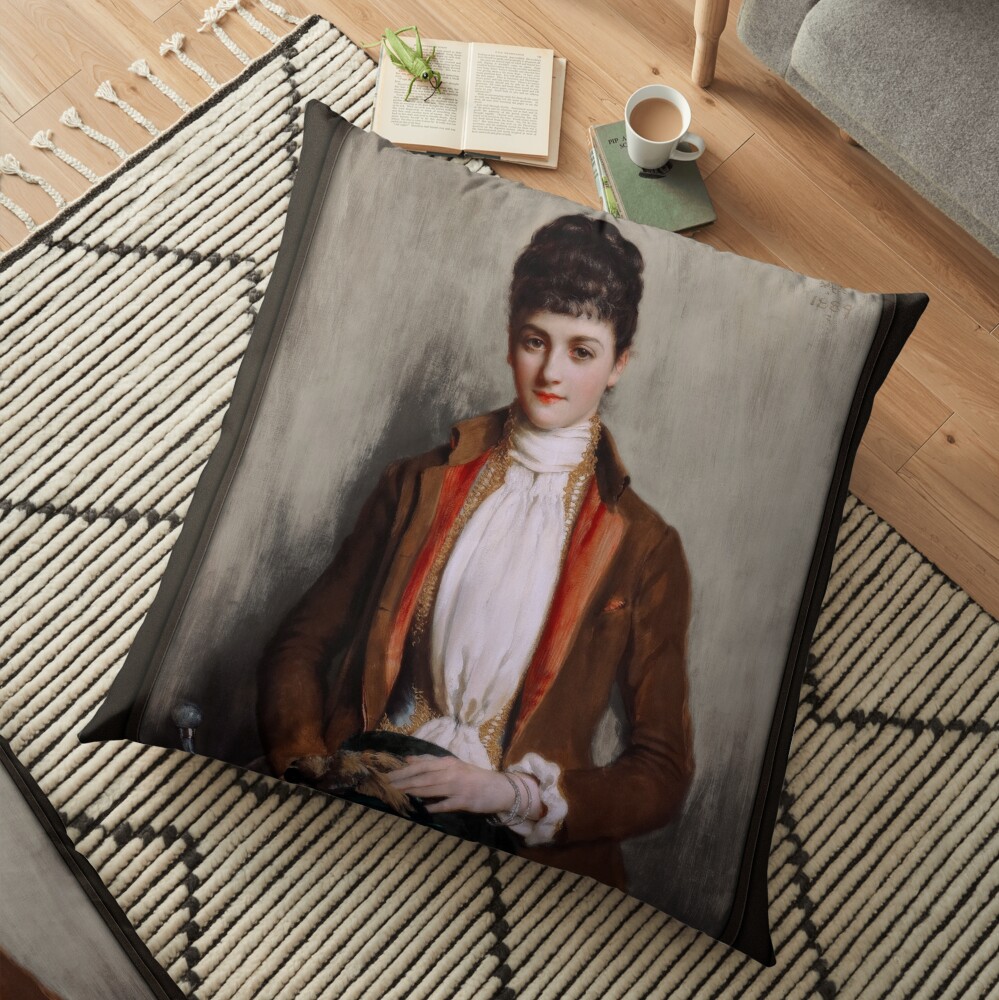
The “Dorothea Gwladys andereñoaren hilobien erretratua, Geroago Lady Butler,” sortua 1889 Archibald Stuart-Wortley margolari britainiarrak (1849 – 1905), mende amaierako erretratuaren adibide liluragarria da. Lan honek errealismoa eta erretratu teknika klasikoak uztartzen ditu, garaiko dotorezia modan eta duinari begirada bat eskainiz. Margolanaren gaia, Dorothea Gwladys hilobiak, bere gizarte maila eta izaera pertsonala islatzen dituen espresio dotore eta konposatu batekin irudikatzen da. Erretratu hau azterketa bat da bai forman bai testuinguruan, moda une bat harrapatzen, art, eta nortasun indibidualaren ñabardurak bat egiten dute.
Edukien taula
Gaia
Erdiko irudia erretratua is Miss Dorothea Gwladys Tombs, who would later become Lady Butler, a testament to her elevated social position. She is dressed in the attire befitting a woman of high society during the Victorian era. Bere jarrera orekatua dago, with a serene expression that conveys grace and confidence. She is positioned slightly to the left of the composition, drawing the viewer’s eye directly to her. Her brown eyes, though soft and contemplative, are firm in their gaze, suggesting intelligence and self-assurance.
Dorothea’s dark brown hair is styled in an elegant updo, parted neatly and curled in the typical Victorian fashion. A few delicate tendrils fall gracefully beside her face, framing her features with gentle curves. The artist has skillfully highlighted the subtle texture and sheen of her hair, pintzelkada finak erabiliz bere sakonera eta bolumena azaleratzeko.
Arropa eta Osagarriak
Bere jantziak erretratuaren beste ardatz nagusietako bat da, garaiko moda joeren ikuspegia eskainiz. Dorotheak jaka marroia darama, zehaztasun bikainez egokitua bere markora egokitzeko, ehunaren aberastasuna eta ehundura ia ukigarria bere irudikapenean. Jaka lepo altuko blusa zuri batekin osatzen da, parpaila lepoko delikatu batek bermatuta. Tonu marroi sakonen eta zuri leunen konbinazio kontrasteek oreka harmoniatsua sortzen dute konposizioaren barruan. Jaka urrezko apaingarri batekin amaitzen da, argia sotilki islatzen duena eta jantzi orokorrari oparotasun kutsua gehitzen diona.
Bere eskuetan, Dorotheak txori txiki batez apaindutako kapela beltz bat dauka, baliteke belatz bat edo antzeko hegazti harrapari bat. Txapela, feltroz edo antzeko material batez egina, suggests her connection to the outdoors, and perhaps alludes to a personal interest or hobby. The bird perched delicately atop the hat may also symbolize a certain nobility or gentility associated with the aristocracy of the time. The presence of such an accessory lends a sense of individuality to the portrait, as it suggests that Dorothea was not only a woman of beauty and refinement but also someone with unique tastes and interests.
Atzeko planoa eta ezarpena
The background of the portrait is kept intentionally simple, with soft gray tones that create a sense of neutrality, allowing the subject to stand out. The muted backdrop serves to direct the viewer’s attention toward Dorothea herself, avoiding any distractions from the subject’s presence. The texture of the background is rougher and more abstract than the refined details of the figure, providing a striking contrast between the smooth, polished skin of Dorothea and the roughness of the surrounding space.
While the setting is ambiguous, there is an underlying sense of refinement that is carried through the composition. The choice of colors—neutral and subtle—speaks to the reserved nature of Victorian portraiture, where the focus remained on the individual, rather than the surroundings. The simplicity of the backdrop allows the viewer to focus on the sitter’s personality, janzkera, eta pausa.
Teknika eta Estiloa
Stuart-Wortley employs a realistic style, emphasizing fine detail and the textures of his subject’s attire and surroundings. His technique showcases meticulous brushwork, particularly in the rendering of fabric and hair, giving the portrait a lifelike quality. The subtle play of light and shadow is particularly notable, as it reveals the texture of Dorothea’s skin and the fabric of her clothing with remarkable precision.
The artist’s attention to detail is not only evident in the rendering of textures but also in the way he captures the essence of his subject’s demeanor. The posture and expression of Dorothea reveal her social standing without the need for extravagant symbolism or overt opulence. The muted colors and composition underscore the elegance of the portrait, with each stroke contributing to the overall harmony of the piece. The contrast between Dorothea’s graceful figure and the simplicity of the background enhances the sense of nobility and refinement.
Gaia eta Aldartea
The mood of the portrait is dignified, evoking a sense of respect and admiration for the subject. Dorothea’s calm, serene expression is indicative of her composure and social grace. The painting reflects the values of the late Victorian era, where societal expectations of women were rooted in decorum, dotorezia, eta eustea. The choice of subdued colors and the emphasis on the sitter’s poised demeanor reinforce the theme of aristocratic refinement.
The inclusion of the hat with the bird suggests a theme of balance between elegance and personal interests, highlighting the complexity of Dorothea as a person who embodies both social grace and individuality. Aldartea konfiantza lasaia da, Dorothearen klaseko emakumeek bete behar zituzten gizarte-rolen isla, oraindik ere sotilki bere izaera pertsonala eta interesak publikoarengandik kanpo igartzen dituen bitartean.
Bukaera
Bukatzeko, du “Dorothea Gwladys andereñoaren hilobien erretratua, Geroago Lady Butler” Egilea Archibald Stuart-Wortley XIX. mendeko britainiar erretratuaren adibide bikaina da. Artistak gaiaren antz fisikoa ez ezik bere izaera ere jasotzen du, aldarte, eta bere garaiko gizartearen itxaropenak. Xehetasun arretaz arretaz, konposizioa, eta teknika, Stuart-Wortleyk bizia ematen dio Dorotheari, duintasunez eta graziaz erretratatzen. Erretratuak artistaren trebetasunaren eta viktoriar amaierako garaiko ideal kulturalen lekuko izaten jarraitzen du..
Arte digital birmasterizatua da, sarean mihise inprimatu gisa eskuragarri dagoen domeinu publikoko irudi baten erreprodukzioa..