

Satin Rose
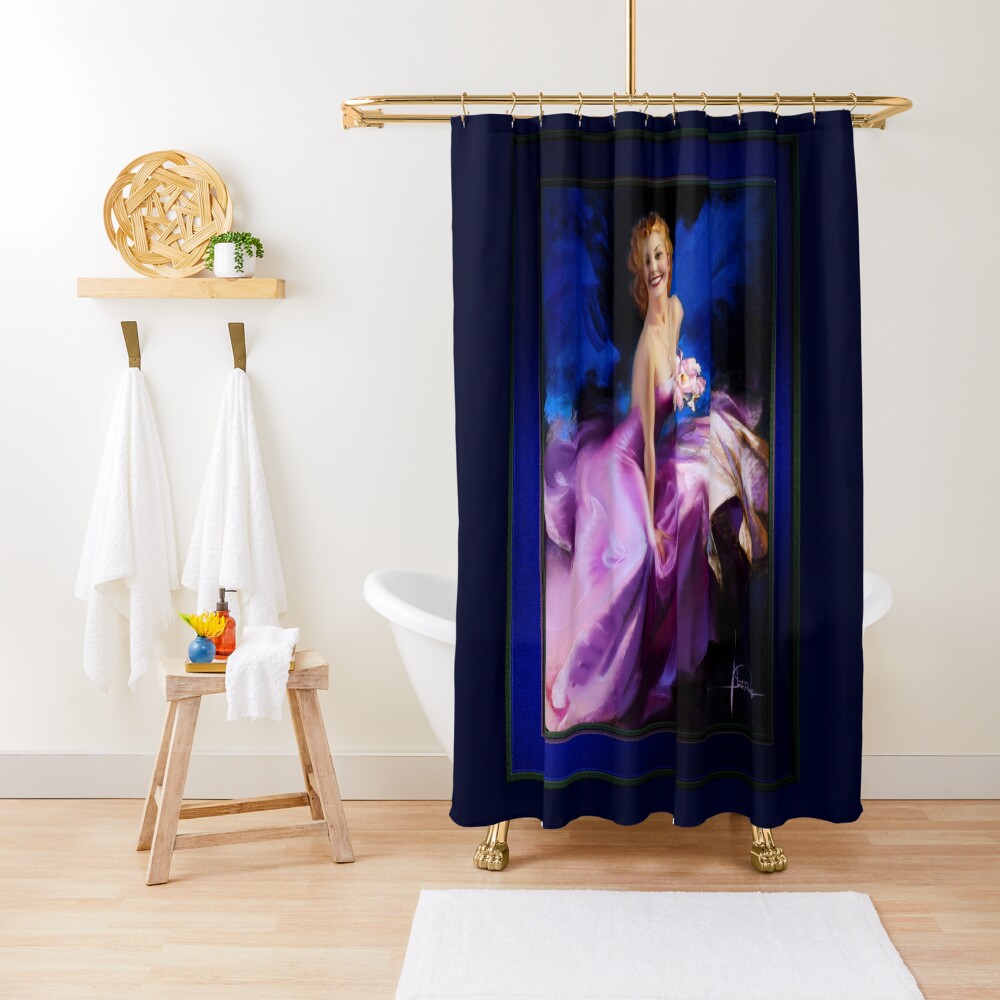
“Satin Rose” (1930), skildere troch de ferneamde Amerikaanske keunstner Rolf Armstrong (1889-1960), is in foarbyldstik fan 'e iere 20e-ieuske Amerikaanske portretten. Bekend om syn ljochte bylden fan froulju yn modieuze klean, Armstrong's wurk fangt in gefoel fan skientme en elegânsje dy't resonearret mei de geast fan 'e Jazz Age en de Art Deco-perioade. Yn dit bysûndere stik, Armstrong presintearret in byld fan froulikens en genede, yllustrearret de yngewikkelde details fan in frou yn in sêft, satyn jurk.
Ynhâldsopjefte
It haadûnderwerp
“Satin Rose” is in jonge frou gracefully klear, har figuer werjûn mei in delikat lykwicht fan ljocht en skaad. Se is de belichaming fan jeugdige skientme, in jurk oan dy't yn sêfte weagen om har hinne streamt en ribbelt. De jurk, foaral in lavendel satyn, glimket yn it ljocht, syn glêde stof aksintuearre troch plooien en plooien dy't jouwe it in ryk, hast tactile kwaliteit. Armstrong syn behearsking fan tekstuer is evident yn syn behanneling fan de satyn stof, dy't skitteret mei de sêfte glans dy't karakteristyk is foar dit lúkse materiaal.
Styl, Technyk, en Medium
It gesicht fan de frou is fol fitaliteit, útstriele wille en waarmte. Har glimke is subtyl, mar selsbetrouwen, en har eagen binne rjochte op de sjogger, it oprjochtsjen fan in gefoel fan direkte belutsenens. Har sêft, golvend blond hier frames har gesicht yn in muoite, noch elegante manier. De roazen hâldt se yn har rjochterhân, fyn pakt, foegje in touch fan romantyk en sêftens ta oan 'e komposysje, har bleekrôze blomblêden spegelje de teare tinten fan 'e jurk. Armstrong's gebrûk fan blommen is net allinich sierlik; sy symbolisearje skientme, froulikens, en genede, fierder de klam op it algemiene tema fan it skilderij.
De eftergrûn fan it stik is ryk ynkleure mei abstrakte penseelstreken dy't in dreamerich suggerearje, hast etheryske kwaliteit. De djippe blauwe toanen fan 'e eftergrûn kontrastearje mei it sêfte, lichtere skaden fan 'e froulike jurk, helpt har figuer om op te stean as it sintrale fokus. Dit kontrast tusken de waarme lavendeltoanen fan it figuer en de koele blues fan 'e eftergrûn soarget foar in gefoel fan djipte en dimensje, wat it realisme fan it portret fersterket. De sêfte gradaasjes fan kleur drage by oan de algemiene serene sfear fan it wurk, wêr't it ljocht it oerflak fan 'e satynstof liket te strelen, fierder ferbetterjen fan de stimming fan elegânsje.
Objekten en komposysje
De komposysje is strak rjochte op it figuer, fange har yn in momint fan serene freugde. Armstrong syn beslút om de eftergrûn wat abstrakt en wazig te litten rjochtet de oandacht fan 'e sjogger folslein nei it ûnderwerp. Dizze klam op de figuer oer de omjouwing is in karakteristyk skaaimerk fan in protte fan Armstrong syn wurken, dêr't de minsklike foarm wurdt fierd yn syn natuerlike skientme.
Armstrong syn styl yn “Satin Rose” is in foarbyld fan syn hantekeningstechnyk om realisme te mingjen mei in bepaalde idealisearre kwaliteit. It portret is net allinnich in foarstelling fan in frou, mar in ferkenning fan skientme, sierlikens, en genede. De keunstner syn gebrûk fan ljocht en skaad is subtyl noch effektyf, markearje de kontoeren fan it gesicht fan 'e frou en de plooien fan har jurk op in manier dy't it skilderij in gefoel fan dimensje jout. Armstrong syn feardigens yn it fangen stof, yn't bysonder, is ongeëvenaard, and the way the satin gown appears to catch and reflect the light gives it a fluid, almost living quality.
Tema en stimming
It tema fan “Satin Rose” is deeply rooted in the early 20th century’s appreciation for beauty and fashion, reflecting the cultural preoccupations of the time. The 1930s was an era that celebrated glamour, ferfining, and modern femininity, and Armstrong’s work is an embodiment of these ideals. The use of satin fabric, the emphasis on luxurious textures, and the delicate portrayal of a young woman’s radiant beauty all speak to the high regard for elegance that permeated the social and artistic landscapes of the time.
The mood of the painting is one of warmth and serenity. The woman’s gentle smile, the soft folds of her gown, and the serene blue backdrop create an atmosphere of calm elegance. Der is in gefoel fan yntimiteit yn it wurk, as wurdt de sjogger útnoege yn in privee momint mei it ûnderwerp, dy't foar ús stiet op in lykwichtige doch benaderbere wize. De keunstner presintearret har net as in ûnberikber ideaal mar as in frou fan genede en weardichheid, dy't in ynderlike skientme likefolle útstrielet as de uterlike kwaliteiten dy't it skilderij útbyldet.
Konklúzje
Yn termen fan materialen, Armstrong brûkte tradisjonele oaljeferve, it medium brûke om lagen fan kleur op te bouwen dy't djipte en tekstuer tafoegje oan it toaniel. It oerflak fan it skilderij, ryk oan kleur en foarm, beljochtet Armstrong syn fermogen om te meitsjen glêd, hast luminescent tekstueren, benammen yn 'e ôfbylding fan stof en hûd. It stik is ynrjochte yn in klassike styl, with a rich blue border that complements the tones of the background and further enhances the visual impact of the work.
Satin Rose is a remastered digital art old masters reproduction of a public domain image that is available as a canvas, acryl en metal print online.
Artist Bio ôflaat fan Wikipedia.org
Rolf Armstrong waard berne as John Scott Armstrong yn Bay City, Michigan op april 21, 1889, oan Richard en Harriet (Scott) Armstrong. Syn heit hie de Boy-Line Fire Boat Company, dy't in line fan passazjiersskippen omfette. Guon waarden ynset yn Chicago foar gebrûk op 'e Chicago World Fair dêr yn 1893.
lykwols, de heit syn bedriuw en famylje wiene muoite, en de húsfesting fan 'e famylje waard ferlern gien foar foreclosure. Yn 1899, de famylje ferhuze nei Detroit, Michigan. Rolf syn heit stoar yn 1903, en in jier letter ferhuze hy en syn mem nei Seattle, Washington, nei de fuotstappen fan syn âldste broer, Willem, dy't der in jier earder hinne ferhuze wie. Tsjintwurdich wiene Rolf syn artistike ynteresses opkommen ta mear as in parttime wille.
Hy ferhuze nei Chicago yn 1908, dêr't er letter studearre oan it Keunstynstitút. Dêrnei gie er troch nei New York, dêr't er studearre by Robert Henri. Nei in reis nei Parys yn 1919 om te studearjen oan de Académie Julian, hy gie werom nei New York en stifte in atelier. Yn 1921 hy gie nei Minneapolis om kalinderproduksje te studearjen by Brown & Bigelow.
Yn de jierren 1920 en 1930, syn wurk ferskynde op in protte stikken blêdmuzyk, likegoed as op 'e omslach fan in protte tydskriften, meast ferneamd om filmfan-tydskriften lykas Photoplay en Screenland. Syn wurk bestiet meast út froulju; Mary Pickford, baby daniels, en Greta Garbo binne mar in pear fan de tal fan er skildere.
Armstrong syn wurk foar de Pictorial Review wie foar in grut part ferantwurdlik foar dat blêd in oplage fan mear as twa miljoen troch 1926. In jier letter, hy wie de bêst ferkeapjende kalinder artyst by Brown & Bigelow. Yn 1930, RCA hierde him om pin-ups te skilderjen om har produkten te advertearjen, en yn 1933 de Thomas D. Murphy Calendar Company tekene him om in searje skilderijen te produsearjen foar har line.
Yn maart 1940, Jewel Blommen, in famke út Lumberton, Noard-Karolina, stjoerde in foto fan harsels nei Armstrong yn reaksje op in advertinsje dy't er pleatst hie yn 'e New York Times. Armstrong, 50 op dat stuit, hie west basearre op it Hotel des Artistes op West 67th Street yn Manhattan sûnt 1939, en wie op syk nei nije modellen.
Hy noege Blommen út foar in ynterview. Op maart 25, 1940, Blommen begon te modellen foar Armstrong. Harren profesjonele gearwurking en freonskip duorre foar twa desennia. It earste skilderij, titele “Hoe giet it mei my?”, nei alle gedachten omdat Flowers, net wend oan modellewurk, frege Armstrong ferskate kearen “Hoe giet it mei my?” tidens de modellering sesje, waard foar it earst publisearre nei de Twadde Wrâldoarloch.
It wie Brown & Bigelow syn bêst ferkeapjende kalinder foar 1942 yn in tiid dat it bedriuw miljoenen kalinders yn Amearika ferkocht, en it waard ien fan Armstrong syn meast reprodusearre foto. Blommen wiene populêr by Amerikaanske militêren yn 'e Twadde Wrâldoarloch, guon fan wa't har brieven stjoerde mei it foarstellen fan houlik. Armstrong's kalinders en silhouetten fan Flowers waarden kopiearre op bommewerpers en oare fleantugen as nose art en skildere op tankturrets.
Se waard sa bekend yn de oarloch, hoewol mear as in ferneamd gesicht as by namme, dat in tsjinstman syn brief oanpakt gewoan as “Jewel Blommen, New York-Stêd” waard levere korrekt. Foar in protte Amerikaanske militêren yn it bûtenlân, sy fertsjintwurdige de “Wêrom We Fight” geast. ús. Presidint Franklin D. De regearing fan Roosevelt rôp har yn om oarlochsbannen te befoarderjen.
Jannewaris 1, 1945 edysje fan TIME tydskrift opnommen Armstrong's “Toast fan 'e stêd” skilderij fan Blommen yn in artikel oer Calendar Art. It artikel konstatearre dat kalinders mei “famke skilderijen” wiene “kocht swier troch gieterijen, masine winkels, auto-supply dealers.”
Blommen troude yn 1946. Sy en har man wenne op ferskate plakken wylst hy besocht in oantal saaklike ûndernimmingen, ynklusyf Laguna Beach, Kalifornje, Greenville, Súd-Karolina, Reno, Nevada, dêr't se nei alle gedachten wurke yn as card dealer foar in tiid, en New York City. Neffens Michael Wooldridge, coauthor fan Pin up Dreams: The Glamour Art of Rolf Armstrong, Armstrong belle har in oantal kearen yn 'e perioade dat se har man fan plak nei plak folge, om har te besykjen om werom te gean nei New York en foar him model te meitsjen.
Har modelkarriêre einige mei de dea fan Armstrong yn 1960. Hy liet in grut part fan syn persoanlike rykdom nei Flowers. Yn totaal, Armstrong makke sa'n fyftich oant sechtich wurken mei Flowers as model.
Rolf Armstrong stoar yn 1960 op it eilân Oahu, Hawaii as ien fan de bêste “pin-up” keunstners fan de earste helte fan de tweintichste ieu.