

Beatha fhathast le eisirean is fìon-dhearcan c1653
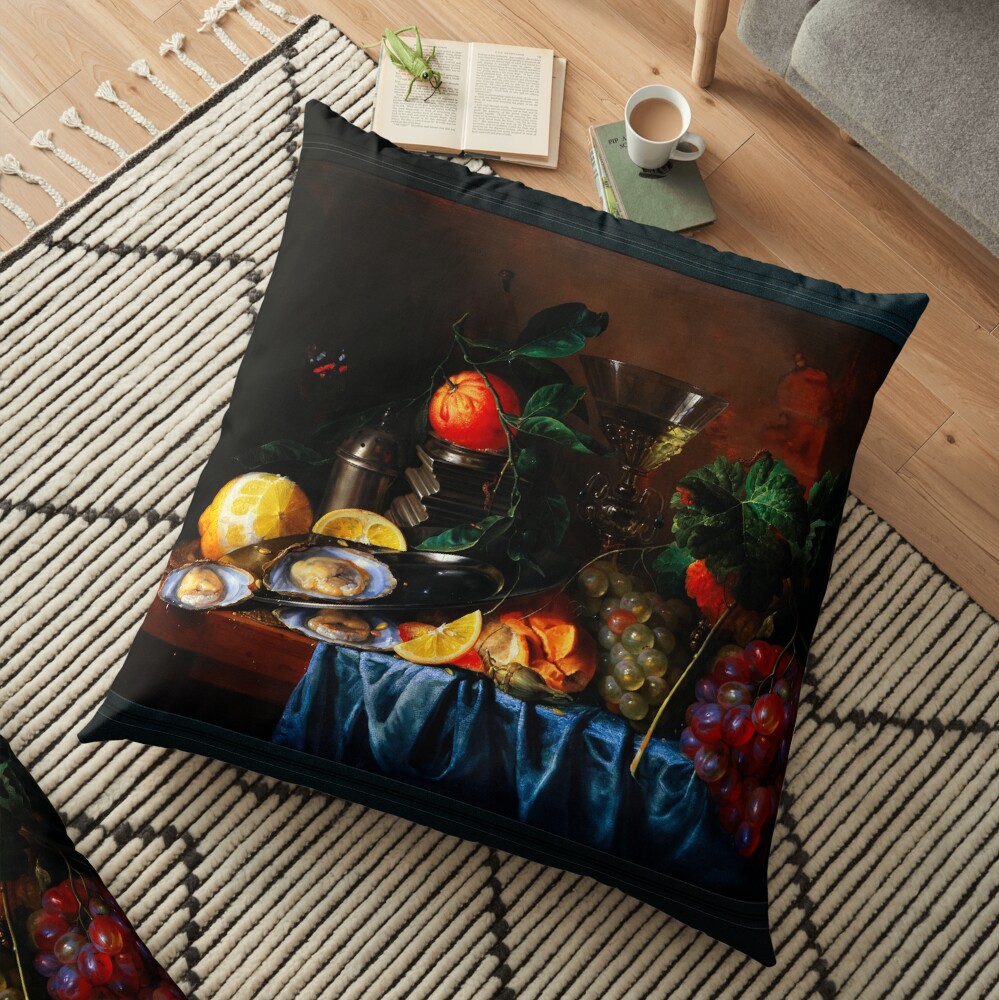
Jan Davidsz de Heem “Still Life with Oysters and Grapes,” air a pheantadh mun cuairt 1653, a’ seasamh mar phrìomh eisimpleir de mhaighstireachd an neach-ealain taobh a-staigh gnè Baróc. Rugadh e a-steach 1606 agus a’ dol a-steach 1684, Dh’fhàs de Heem ainmeil airson a chomas air leth a bhith a’ sealltainn beairteas beatha troimhe tha beatha fhathast ag obair, a’ cleachdadh dath beothail agus mion-fhiosrachadh toinnte gus riochdachaidhean beò a chruthachadh.
Tha faireachdainn an deilbh seo mar aon de pailteas mòr, a’ glacadh mionaid de bhòidhchead agus de mhothachadh anns na mion-fhiosrachadh as fheàrr mun sgrìobhadh aige. Na nithean a tha air an sealltainn, bho na measan coimheach gu na h-eisirean fìnealta agus an goblet criostail, tha iad nan samhla air beairteas, Oplachd an Timulence, agus na toileachasan beatha a bha cumanta ann an Linn Òir na h-Òlaind san t-17mh linn.
Clàr-innse
Cumadh agus Cuspair
Is e prìomh chuspair an deilbh beatha fhathast air a rèiteachadh gu faiceallach, a 'cuimseachadh air a bhith a' measgachadh rudan mìn agus mìn. An rèiteachadh de thoraidhean, eisirean, agus stuthan eile a’ bruidhinn air an ùidh mhòr a th’ aig an neach-ealain ann a bhith a’ taisbeanadh a’ bheairteas stuth agus an ùidh a chòrd ris a’ chlas bheairteach san ùine. Buidheann de fhìon-dhearcan, an dà chuid dearg agus geal, na laighe air thoiseach, a’ toirt a-mach mothachadh air abachadh agus ùr.
Na h-eisirean, a’ deàrrsadh le sealladh nàdarrach, air an cur fosgailte ri taobh sliseagan de lemon, a combination of sensual delights and a visual play on the contrast between the softness of the oyster flesh and the sharp, tangy zest of the citrus fruit. Their glistening surfaces reflect the light with such detail that they appear almost edible to the viewer.
The background features a deep shadowed space, where dim light seems to illuminate the objects, adding an air of mystery. The reflective surfaces of glassware, along with the fine texture of cloth draped underneath the displayed food, help emphasize the tactile quality of the items.
A crystal goblet filled with a drink, perhaps wine or water, sits on a wooden table, catching a glint of light that plays off its facets and amplifies its clarity. This touch of luxury is heightened by the presence of a silver shaker or salt cellar, further underlining the notion of wealth and the refinement of the setting.
Solais agus Mood
De Heem’s use of light plays a vital role in defining the overall mood of the painting. The objects in the foreground are sharply illuminated, their textures and surfaces accentuated by a masterful handling of light and shadow. The deep shadows in the background contrast with the shimmering reflections of the grapes and oysters, creating a sense of depth and three-dimensionality within the scene.
An dòigh seo de chiaroscuro, or the dramatic use of light and dark, was a hallmark of Baroque art, intended to evoke an emotional response from the viewer by highlighting the transience of life and the fragile beauty of the objects depicted.
The soft illumination of the still life objects conveys a serene yet indulgent atmosphere, evoking a sense of quiet contemplation and enjoyment. It is as if time has been momentarily suspended, and the viewer is invited into a private, intimate moment. The viewer can almost hear the soft clink of glass or the subtle crunch of a lemon’s zest, contributing to the tactile and sensory experience that de Heem is able to evoke through his paintbrush.
Symbolism agus Mìneachadh
“Still Life with Oysters and Grapes” can be interpreted as a meditation on the fleeting nature of pleasure and material wealth. In the 17th century, still life paintings often carried symbolic weight, subtly commenting on themes of mortality and the ephemeral nature of life.
Na h-eisirean, which were once considered a delicacy of the upper class, could symbolize indulgence, while the grapes, associated with both luxury and the harvest, might evoke a sense of abundance but also remind viewers of their seasonal limitations. The presence of citrus fruits, with their sharp tang, might allude to the duality of pleasure, sweet yet fleeting, much like life itself.
A bharrachd air an sin, the fine glassware and silver objects hint at a world of luxury and refinement, while the underlying table, adorned with a rich blue cloth, suggests wealth without overtly stating it. The delicate balance between the organic (the fruit, the oysters) and the refined (the glassware, the tablecloth) also reflects the balance between nature’s abundance and human ingenuity in transforming that bounty into something of value and beauty. The artist’s ability to blend these elements together creates a harmonious vision of the Dutch Golden Age, where wealth and sensory pleasures were celebrated but also recognized as transient and ultimately ephemeral.
Stuthan agus innleachd
Jan Davidsz de Heem’s technique is highly regarded for its attention to detail and the incredible realism he achieved. Anns an dealbh seo, he uses oil paints to create rich, luminous surfaces that seem almost tangible. The gleaming textures of the glass goblet, the rough texture of the lemon peels, agus an rèidh, translucent quality of the oysters all speak to the artist’s mastery in capturing both the light and the physicality of the objects. An t-aodach, a luxurious blue, drapes naturally across the table, and the artist’s brushwork is so precise that it brings an almost sculptural quality to the fabric, showcasing the fine detail of each fold.
Dèanamh faiceallach de gach nì, co-dhiù an e craiceann gluasaid nam fìon-dhearcan a th’ ann no uachdar snasta a’ ghob, a’ bruidhinn ri dealas an neach-ealain do fhìor-eòlas. Bha an aire mhionaideach seo gu mion-fhiosrachadh na chomharradh air peantairean Baróc Duitseach, a bha a’ feuchainn ri nithean làitheil àrdachadh gu ìre na h-ealain mhionaideach le bhith a’ cur cuideam air am bòidhchead agus an iom-fhillteachd.
Co-dhùnadh
Ann an “Still Life with Oysters and Grapes,” Tha Jan Davidsz de Heem a’ toirt sealladh beothail air beairteas, sòghalachd, agus nàdur neo-ghluasadach tlachdan talmhaidh. Leis an rèiteachadh faiceallach aige de nithean, an cleachdadh eireachdail aige de sholas, agus a mhaighstir air innleachd, de Heem a’ cruthachadh beatha thàmh a tha a’ toirt cuireadh do gach cuid urram agus meòrachadh. An dealbh, coltach ri mòran de a ghnè, chan e a-mhàin gu bheil e na chomharrachadh air bòidhchead stuthan ach cuideachd mar chuimhneachan air neo-sheasmhachd beatha, faireachdainn air a thoirt seachad tro chothromachadh fìnealta de bhiadh inntinneach, bathar glainne ath-leasaichte, agus dol seachad ùine air a riochdachadh ann an dealbh-chluich an t-solais agus an sgàil.
Tha Still Life with Oysters and Grapes na ath-riochdachadh seann mhaighstirean ealain didseatach de ìomhaigh raon poblach a tha ri fhaighinn mar clò-bhualadh canabhas air-loidhne.
Neach-ealain bi a thàinig bho Wikipedia.org
Rugadh Jan do Dhaibhidh de Heem an t-èildear (1570 – 1631), agus rinn e sgrùdadh an toiseach còmhla ri athair mus do rinn e sgrùdadh fo Pheantair Still Life Age Òir Duitseach Balthasar van der Ast (1593-94 – 1657); an uairsin a-steach 1629 aig aois 23 sgrùdadh fo Pheantair Linn Òir Duitseach David Bailly (1584 – 1657).
Nuair a bha e 29 ghluais e dhan Òlaind a Deas agus chaidh e dhan Guild of Saint Luke burger (neach fa leth clas meadhan àrd) anns a' bhaile sin 1637.
Gu tric air a mheas mar aon de na peantairean a bu mhotha na àm, bha iarrtas mòr air an-còmhnaidh agus bha e air a phàigheadh gu math airson an obair-ealain a rinn e ri linn Linn Òir na h-Òlaind.