

Usoa c1758
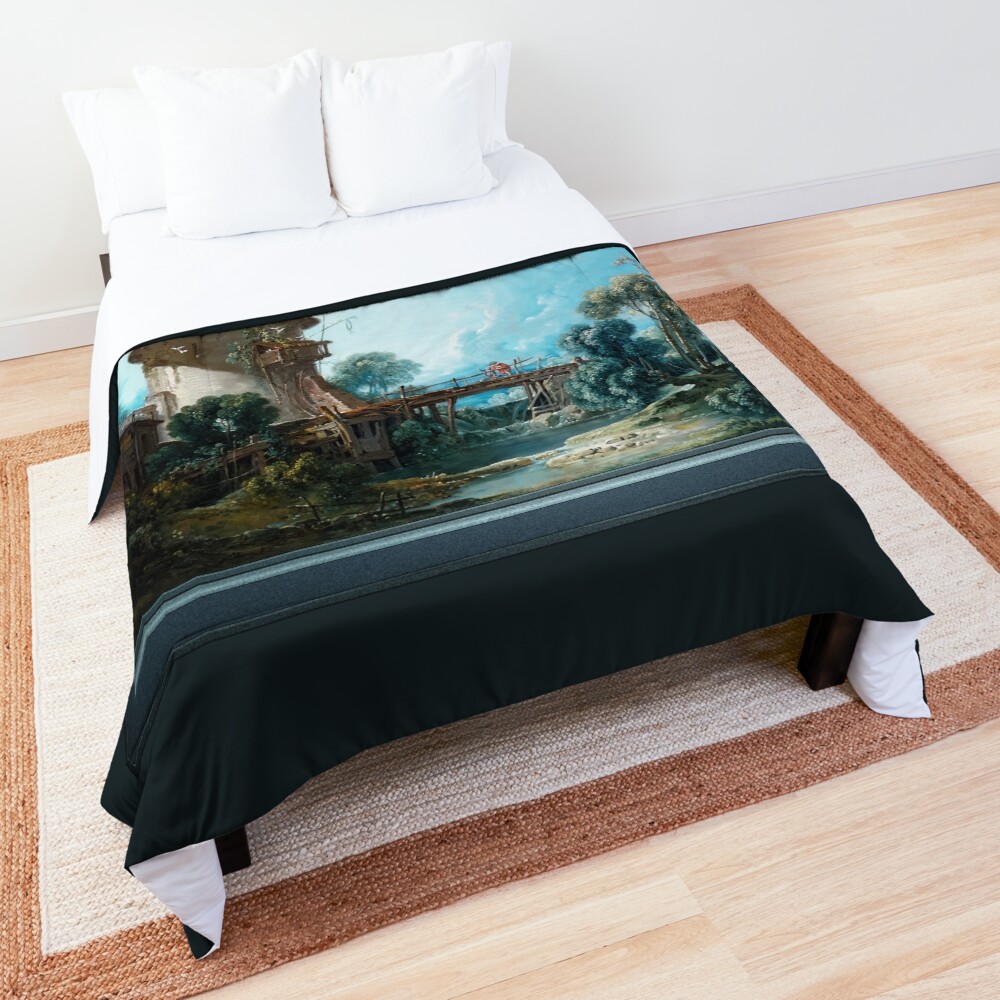
Francois Boucher's pintura “Usoa” (c. 1758) Frantziako Rococo estiloaren adibide liluragarria da. Boucher (1703 – 1770), mendeko margolari nagusietako bat, bere biziagatik ezaguna zen, konposizio delikatuak eta aroa ezaugarritzen zuen arintasun bereizgarria. Artelan honek Rococo izpiritua gorpuzten du naturan duen garrantziarekin, aisialdia, eta idiliko bat, ia ametsezko mundua. Boucherren lanak gozamen aristokratikoaren gaietan zentratu ohi ziren, une samurrak, eta artzain edertasuna, denak hemen islatzen diren lasai honetan, eszena liluragarria.
Edukien taula
Gai nagusia eta osaera
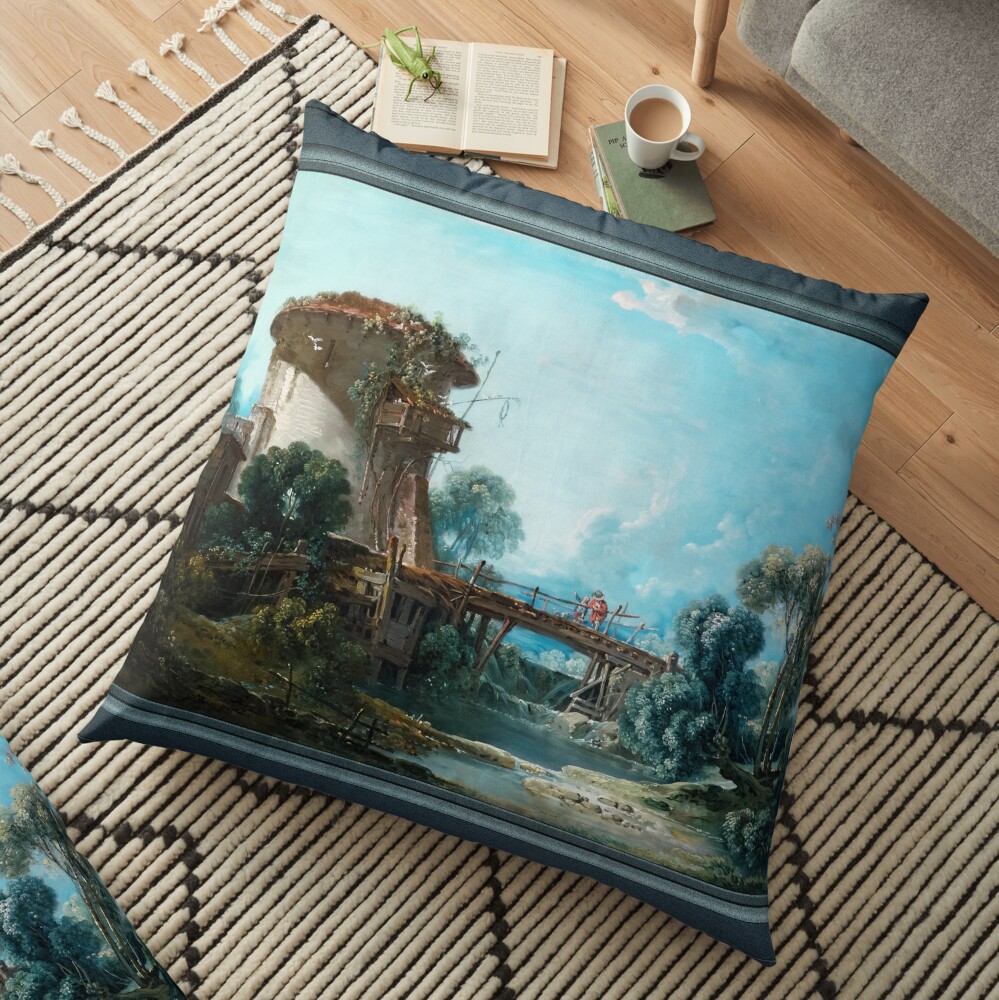
In “Usoa,” ardatz nagusia landa ingurune lasaia da, naturaren edertasun idilikoa jasotzen duena. A man and a woman are depicted in the foreground, casually conversing, while standing on a rustic wooden bridge. The bridge spans a calm river, which reflects the soft hues of the sky and surrounding greenery. The figures are dressed in fashionable, yet simple 18th-century attire, their clothing bright and vibrant, contrasting with the natural tones around them. Their relaxed postures and the peacefulness of their interaction suggest a moment of quiet harmony in the countryside.
The scene’s setting, a rural landscape dotted with trees, gently rolling hills, and a distant stone structure—possibly a dovecote itself—evokes a pastoral life of leisure. The man and woman seem to be at ease in this bucolic world, their peaceful presence adding to the calm atmosphere of the composition.
Objektuak eta sinboloak
Atzealdean, we see a distinctively constructed stone dovecote, a structure used for housing doves or pigeons. This is where the painting’s title comes from, symbolizing perhaps a quiet, secluded part of nature that complements the tranquil lives of the individuals depicted. The dovecote is placed prominently on the left side of the canvas, with the trees encircling it, drawing attention to its importance as both a physical object and a symbol of rural life.
The wooden bridge that spans the river adds another layer of meaning to the painting. It not only serves as a functional element connecting two areas but also becomes a metaphorical bridge between the viewer and the tranquil world of the figures, inviting them into a space of calm contemplation. The landscape itself, with its harmonious blend of natural and architectural elements, underscores the Rococo fascination with combining beauty and nature.
Horrez gain, the soft, delicate brushwork captures the lush greenery, the water’s reflective qualities, and the atmosphere’s lightness, evoking a sense of serenity. The birds in flight above the dovecote add to the mood of freedom and peace, echoing the peaceful existence of the figures below.
Lurra eta Ingurumena
The terrain is depicted with lush, vibrant greenery, characteristic of the Rococo love for lush nature. The rolling hills in the distance are soft and inviting, bathed in a warm golden light that suggests either the early morning or late afternoon sun. The gentle curves of the hills lead the eye toward the horizon, giving a sense of depth to the landscape.
The flowing water at the bottom of the scene is tranquil, its surface gently disturbed by the occasional ripple, mirroring the calmness of the figures. The trees lining the riverbank are rich with foliage, their forms rounded and almost soft, contributing to the overall sense of gentleness that pervades the painting. The sky above is expansive and vibrant, painted with light, airy blues, and soft cloud formations, adding to the tranquil, almost dreamlike atmosphere of the scene.
Materialak eta Teknika
Boucher’s signature technique of soft brushstrokes is evident throughout “The Dovecote.” The composition feels effortlessly fluid, with no harsh lines or contrasts, reflecting the Rococo aesthetic’s preference for lightness and grace. Argiaren eta itzalaren erabilera sotila da, contributing to the overall softness of the piece. The warm golden light that bathes the scene enhances the mood of serenity and the sense of timeless beauty.
Boucher’s handling of color is masterful. The contrast between the lively tones of the figures’ clothing and the natural greens and blues of the environment draws the viewer’s attention to the human subjects while still maintaining a balanced, konposizio harmoniatsua. The vibrancy of the figures’ attire, with rich reds and muted yellows, echoes the playfulness and elegance of the Rococo period, where fashion and art were inextricably linked.
Estilo, Gai, eta umorea
“Usoa” rokoko estiloa erakusten du, characterized by its focus on lightness, dotorezia, and the beauty of the natural world. The subject matter—the peaceful rural landscape, the leisurely figures, and the idyllic surroundings—speaks to the Rococo fascination with beauty, izadi, eta bizitzako plazer sinpleak. There is no sense of urgency or conflict in the painting; baizik, the viewer is invited into a world where time slows down and the natural world offers peace and harmony.
The mood of the painting is gentle and soothing, enhanced by the soft color palette, the tranquil water, and the idyllic rural scene. The figures themselves appear content and relaxed, their quiet interaction suggesting a sense of contentment and ease. The painting evokes a sense of nostalgia for a simpler, more peaceful time, free from the concerns of the bustling urban world.
Bukaera
François Boucher's “Usoa” is a quintessential Rococo painting that encapsulates the period’s love for nature, edertasuna, and refined leisure. With its serene landscape, tender figures, eta teknika maisua, lasaitasun eta graziazko mundu batera gonbidatzen du ikuslea. Sinbolismoaren erabilera sotila, Boucher-en pintzel leunarekin eta kolore-paleta biziarekin konbinatuta, mendeko Frantziako artearen irudikapen zoragarria izaten jarraitzen duen konposizio harmoniatsua sortzen du.
Domeinu publikoko irudi baten erreprodukzioa da mihise inprimatu sarean.
Artistaren biografia
Informazioa Behean Deribatua Wikipedia.org
Pariskoa jaiotzez, Boucher ezezaguna den Nicolas Boucher margolari baten semea zen, hark eman zion lehen prestakuntza artistikoa. Hamazazpi urterekin, Boucheren margolan bat miresten zuen François Lemoyne margolariak. Geroago, Lemoynek Boucher izendatu zuen bere ikastun, baina hiru hilabeteren buruan, Jean-François Cars grabatzailearentzat lanera joan zen.
In 1720, elite Grand Prix de Rome margolaritzagatik irabazi zuen, baina ez zuen Italian ikasteko ondoriozko aukera aprobetxatu bost urte geroago arte, Pintura eta Eskultura Errege Akademian izandako arazo ekonomikoengatik.[1] Italian ikasketetatik bueltan Académie de peinture et de sculpture on birfundatu zenean onartu zuten 24 Azaroa 1731. Bere harrera pieza (harrera pieza) bere Rinaldo eta Armida zen 1734.
Boucher Marie-Jeanne Buzeaurekin ezkondu zen 1733. Bikoteak hiru seme-alaba izan zituen elkarrekin. Boucher fakultateko kide bihurtu zen 1734 eta bere ibilbidea bizkortu egin zen puntu horretatik aurrera, Akademiako Errektore eta Katedradun izendatu baitzuten, Royal Gobelins Manufactory-ko ikuskatzaile bihurtuz eta, azkenik, Premier Peintre du Roi (Erregearen lehen margolaria) urtean 1765. Marie-Louise O'Murphyren erretratua c. 1752
Boucher hil zen 30 Maiatza 1770 bere jaioterrian Parisen. Bere izena, bere patroiaren Madame de Pompadourarekin batera, Frantziako Rococo estiloaren sinonimo bihurtu zen, Goncourt anaiak idaztera eramanez: “Mende bateko zaporea adierazten duten gizon horietako bat da Boucher, adierazten dutenak, pertsonifikatu eta gorpuztu.”
Boucher famatua da natura dela esateagatik “berdeegiak eta gaizki argituta” (berdeegi eta gaizki argituta).
Boucher Jacques Guay harribitxi grabatzailearekin lotuta zegoen, marrazten irakatsi zion. Martin Ferdinand Quadal margolari moravia-austriarrari eta Jacques-Louis David margolari neoklasikoari ere tutore izan zituen. 1767.[4] Geroago, Boucherrek Guayren lanen marrazki sorta bat egin zuen, Pompadour andreak ondoren grabatu eta ederki loturiko bolumen gisa banatu zituen gortesain gogokoei.