

Torquato Tasso eta Bi Leonoreak
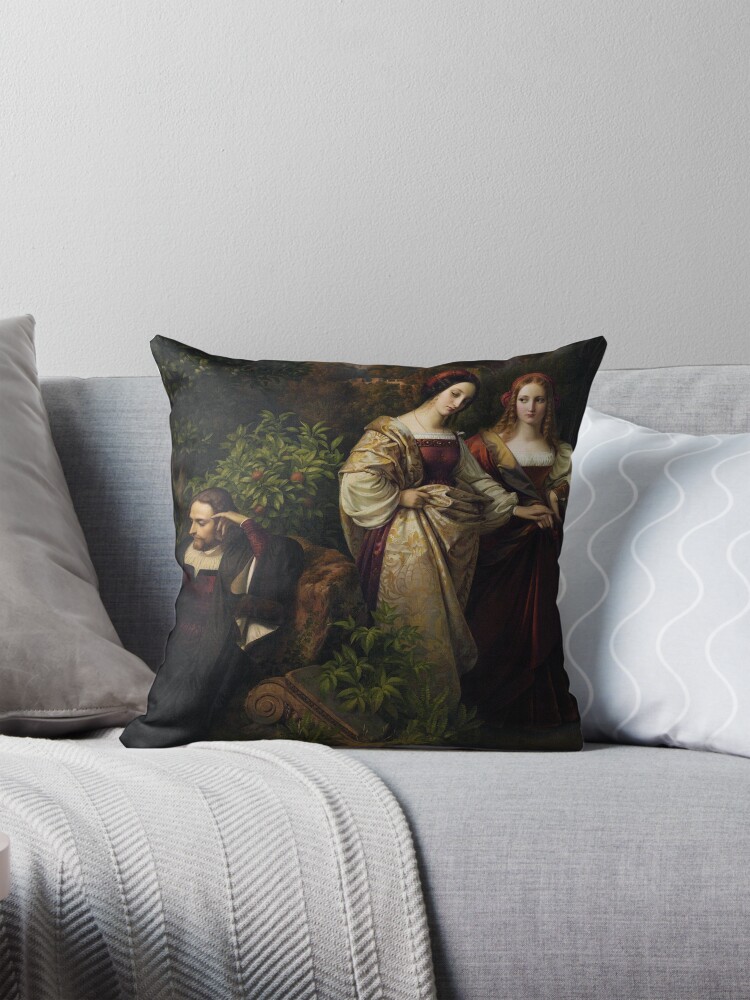
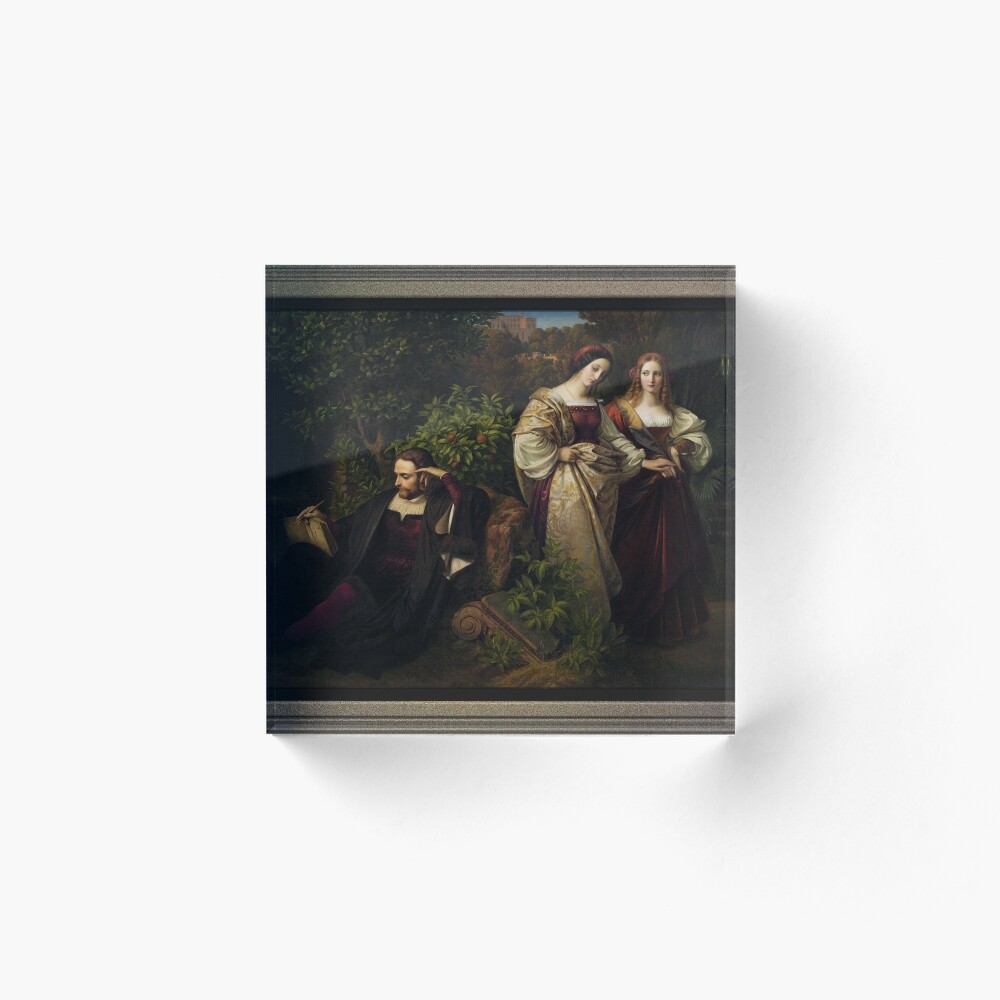
Torquato Tasso eta Bi Leonoreak (Eleonora d'Este eta Leonora Sanvitale) c1839 Karl Ferdinand Sohn margolari alemaniarrak (1805 – 1867) Düsseldorfeko pintura eskolarena.
Sarrera:
“Torquato Tasso eta Bi Leonoreak” urtean Karl Ferdinand Sohn artista alemaniarrak sortutako pintura erromantiko bikaina da 1839. Obrak garrantzi historiko eta literarioa du, mitologiaren eremuak nahastuz, historia literarioa, eta erretratu klasikoa narrazio findu bat emateko. Pieza honetan, Sohnek XVI.mendeko Italiako gortearen dotorezia eta irudikatutako gizabanakoen barruko paisaia emozionalak biltzen ditu..
Gai zentralak, Torquato Tasso, poeta ospetsua, eta bi emakume nobleak, Eleonora d'Este (1515 – 1575), en Ferrarese noble eta Leonora Sanvitale, Leonora Sanvitale distiratsua (1558 – 1582) noble eta abeslaria Ferrarako Este gortean; come together in a powerful yet serene composition that showcases the thematic strength of romanticism, where literary history, edertasuna, and the complexities of human relationships merge.
Edukien taula
Gai nagusia:
At the heart of the composition is Torquato Tasso, the renowned Italian poet, seated in a pensive pose, his left hand lightly resting on a book, possibly a reference to his celebrated literary works. His somber expression and relaxed posture indicate the kontenplazioa and emotional depth that characterized his life and works.
Tasso’s life was marked by intense struggles with mental health, political turmoil, and a deep romanticism that would shape much of his writing. His attire is befitting of a poet of noble standing, his long dark robes flowing elegantly around him as he gazes towards the two women in the background.
The two women beside him—Eleonora d’Este and Leonora Sanvitale—are figures of importance in Tasso’s life. Eleonora d'Este, the Duchess of Ferrara, was the patroness of Tasso, while Leonora Sanvitale, a noblewoman of Ferrara, was both a friend and, at times, the object of Tasso’s affections.
Their presence in the painting speaks to the complex relationships between Tasso and these two women, blending admiration, maite izan, and the intellectual companionship that marked their connection. The artist portrays the women in regal attire, their elaborate gowns and headdresses befitting their high social standing.
Objektuak eta Lurra:
The background of the painting reveals a lush and verdant landscape, evoking the classic ideals of natural beauty often present in romantic works. Dense foliage, zuhaitzak, and winding paths provide a setting that is both idyllic and somewhat mysterious.
The terrain’s soft green tones add to the peaceful and tranquil atmosphere, creating a sharp contrast to the inner turmoil that Tasso may have experienced in his personal life, particularly his troubled relationships with his benefactors.
Lehen planoan, Tasso’s book remains a significant object, possibly representing his literary legacy. It sits near his feet, untouched, perhaps a symbol of his retreat into contemplation, away from the physical world around him. The light filtering through the trees casts a soft, ethereal glow on the figures, further contributing to the painting’s serene mood.
Estiloa eta Teknika:
Karl Ferdinand Sohn’s style is rooted in the Romantic tradition, characterized by its emotional intensity, kolore paleta aberatsak, and idealized depictions of historical and literary subjects. The artist’s meticulous attention to detail is evident in the clothing and facial expressions of the figures, capturing not only their physical likeness but their emotional essence. The elegant textures of the fabrics, the smoothness of the skin, and the nuanced expressions all show the artist’s technical prowess.
The Romantic style is also evident in the landscape, which plays a symbolic role. The setting is not just a backdrop, but a reflection of the inner worlds of the characters. The colors of the sky, the shades of green in the foliage, and the soft light that bathes the figures suggest a mood of melancholy yet beauty—reflecting the themes of longing, adimena, and emotional complexity that pervade Tasso’s life and work.
Gaia eta Aldartea:
The overarching theme of this artwork centers on the complexities of relationships, particularly between the intellectual Tasso and the two noblewomen. The theme of intellectual and romantic love is explored, with the poet depicted in a moment of deep reflection, while the women stand gracefully in the background. The poses of the women are not confrontational but are instead tender and composed, yet their presence seems to serve as a quiet commentary on the romantic and intellectual tensions of Tasso’s life.
The mood of the painting is both serene and melancholic. The tranquility of the lush background contrasts with the emotional weight that seems to hang over Tasso. The calm and almost dreamlike quality of the scene gives way to an underlying sense of introspection and sadness, as if the artist is contemplating the poet’s struggles with his relationships and his legacy. The figures are poised yet distant from one another, suggesting an emotional separation, possibly reflecting the poet’s inner conflict and the troubled connections that marked his life.
Bukaera:
“Torquato Tasso eta Bi Leonoreak” is a magnificent example of Romantic portraiture, blending historical narrative with the personal and emotional lives of its subjects. Karl Ferdinand Sohnek irudien eta mundu naturalaren kanpoko edertasuna ez ezik, mugimendu erromantikoa definitzen duten sakontasun emozional eta intelektualean ere barneratzen ditu.. Margolanak nostalgia eta irrika bat pizten du, eta ikusleen artean oihartzuna izaten jarraitzen du Italiako poeta handienetako baten eta bere lanean eragina izan zuten emakumeen erretratuaren bidez..
Hau arte digitala ukituta dagoen domeinu publikoko irudi baten erreprodukzioa da.