

“מקדש עגול הוקדש פעם” (מקדש עגול שהוקדש פעם)
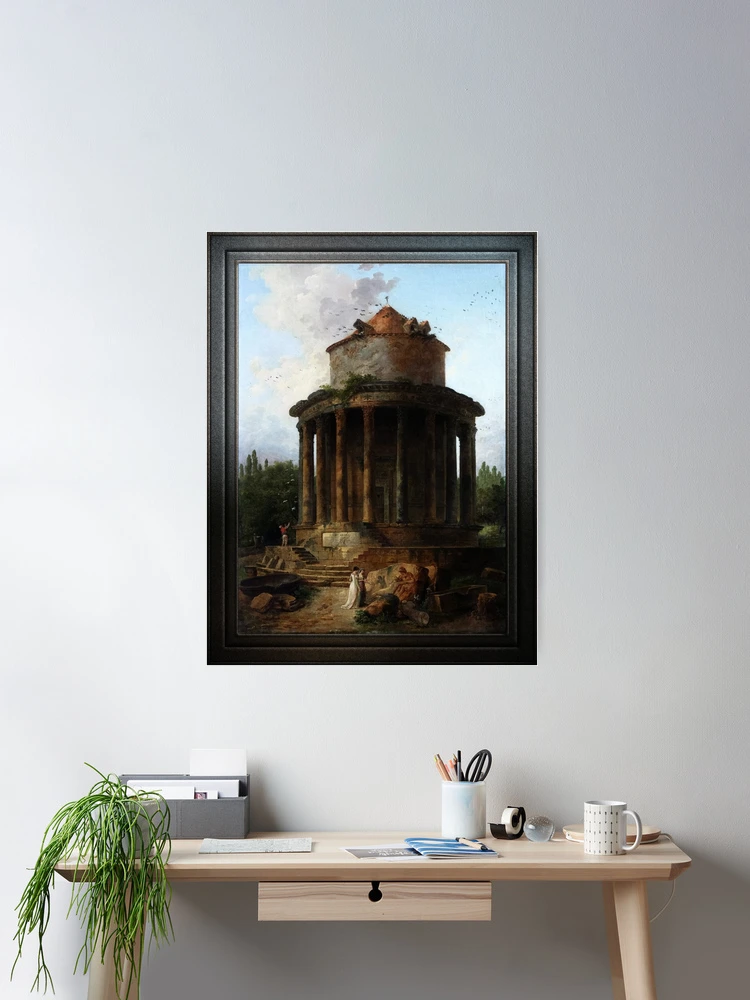
“מקדש עגול הוקדש פעם” (מקדש עגול שהוקדש פעם) היא יצירה יוצאת דופן שנוצרה על ידי הוברט רוברט, צייר צרפתי שנולד ב 1733 ונפטר ב 1808. ידוע ביכולתו יוצאת הדופן להעביר את הפאר של אדריכלות עתיקה בצורה רומנטית אך מציאותית, רוברט מציג סצנת חורבן, מעורר תחושה עמוקה של נוסטלגיה ומלנכוליה לפאר הנשכח של מבנים עתיקים. צויר במהלך המאה ה-18, עבודה זו משקפת את הקסם של רוברט מהחורבות הקלאסיות ואת יכולתו למזג אמנות והיסטוריה בדרכים החוגגות הן את הוד העבר והן את חלוף הזמן הבלתי נמנע..
תוכן העניינים
הקומפוזיציה והאדריכלות
היצירה מציגה מראה רעוע, מקדש עגול מעורר יראת כבוד השוכן בתוך נוף שהטבע השתלט עליו. המקדש הוא המוקד המרכזי, העמודים המפוארים שלו מתנשאים על רקע שמיים מלאי עננים. האופי העגול של המבנה וצורתו הסימטרית הם אלמנטים מובהקים, תוך שימת דגש על הסגנון האדריכלי הקלאסי שהיה נערץ במאה ה-18. נראה שמבנה המקדש היה פעם מפואר, אבל עכשיו זה מתפורר, כאשר חלקים מהקירות מראים סימני גיל ברורים, לִלבּוֹשׁ, והזנחה. הגג, פעם מקושטת, כעת חסר חלקית, והעמודים הנותרים, חלקם פגומים, לעמוד כעדים אילמים למעבר הבלתי פוסק של הזמן.
הריסות המקדש, תוך התדרדרות, עדיין שומרים על הפאר שלהם. The artist captures the texture of the weathered stone, with moss creeping up the sides of the columns and cracks visible in the structure. This juxtaposition of ancient beauty and decay evokes a timeless theme, celebrating both the achievements of the past and the inevitable return to nature. העמודות, arranged in a circular pattern, give the composition a rhythmic harmony, each pillar a symbol of the history that the structure once embodied.
דמויות ואינטראקציה אנושית
בחזית, human figures are depicted in varying degrees of engagement with the ruin. A group of three figures, two women and a man, stand by the broken remnants of the temple. The women, dressed in flowing, classical attire, sit gracefully on the stone blocks scattered around the temple. Their garments are painted with great attention to detail, showing the textures and folds of the fabric as they interact with the surrounding environment. One of the women is looking towards the man, who is standing a little farther away and appears to be in a more active stance, perhaps contemplating the temple or its past.
The women’s serene presence contrasts with the looming ruin behind them, and their posture suggests a reverence for the place they inhabit, as if they are visitors to a sacred site now lost to time. This sense of respectful admiration for the ancient structure mirrors the broader theme of the painting: the passage of time, the fading of civilizations, and the respect we continue to give to the remnants of our history.
מעליהם, a man stands slightly elevated on the steps of the temple. הוא עסוק בפעולה - הוא אולי משחרר ציפורים לאוויר, מסמל חופש, או אולי להציע הצעה טקסית לחלל שהיה פעם קדוש. המחווה שלו מוסיפה אלמנט של חיים לסצנה הדוממת אחרת. הציפורים, נתפס באמצע טיסה, להביא תחושה של תנועה וחיוניות לקומפוזיציה, שאחרת עלול להרגיש סטטי בשל הנוכחות הכבדה של הריסות ודמויות שקטות.
נוף טבעי ומצב רוח
הנוף שמסביב שופע, עם ירוק עוקף את ההריסות. גפנים מתפתלות במעלה העמודים, והאדמה זרועה באבנים שבורות ושברים, יצירת תחושה של הטבע המחזיר את החלל. עץ עם גזע מעוות צומח ליד בסיס המקדש, איבריו משתרעים על גבי הסלע. הקשר הסימביוטי הזה בין הטבע והסביבה הבנויה הוא נושא מרכזי בעבודתו של הוברט רוברט, מסמל את המחזור הטבעי של הבריאה, הֶרֶס, וחידוש.
השמים מעל עצומים ודרמטיים, עם עננים רכים המטילים צללים על פני הסצנה. הציפורים הממריאות על פני השמים מוסיפות תחושת חופש, קְלִילוּת, ונצח, בניגוד לכבדות של המקדש ההרוס למטה. מצב הרוח הכללי הוא של מלנכוליה מהולה בהערצה - הכרה ביופי שהיה פעם, אבל עכשיו אבוד. משחק הגומלין של אור וצל על האבנים המנוצלות משפר עוד יותר את ההשתקפות הקודרת הזו על חלוף הזמן.
הסגנון והסמליות
הציור נעשה בסגנון קלאסי, מאפיין את עבודתו של הוברט רוברט, עם התמקדות בריאליזם ותשומת לב לפרטים אדריכליים. הטיפול המופתי שלו באור ובמרקם מחייה את הסצנה, יצירת חוויה סוחפת עבור הצופה. המצב ההורס של המקדש מצוייר במידה רבה של ריאליזם, מראה את הבלאי של מאות שנים. למרות זאת, רוברט גם מחדיר את הסצנה באיכות אידיאלית, הגברת ההשפעה הרגשית של ההריסות על ידי הצבתן בתוך ציור ציורי, נוף כמעט אידילי.
גם האלמנטים הסמליים בציור חשובים מאוד. בית המקדש, פעם מקום תפילה והקדשה, עכשיו שקרים נטושים, מה שמרמז על ארעיותם של הישגים אנושיים. הדמויות המתקשרות עם ההריסות משקפות את חלוף הזמן, כשהאנושות עומדת גם כעדה וגם כמשתתפת בטבע המחזורי של הקיום. המקדש עצמו מסמל הן את ארעיותה של הציוויליזציה והן את היופי המתמשך שניתן למצוא בריקבון. The birds in flight may represent freedom or the eternal nature of the human spirit, a motif common in romanticized ruins paintings.
מַסְקָנָה
“מקדש עגול הוקדש פעם” is a beautiful, melancholic reflection on the themes of ruin, זְמַן, and nature’s power to reclaim what human hands have built. Hubert Robert captures the quiet grandeur of a lost world, creating a visual narrative that invites the viewer to contemplate the inevitable erosion of even the most glorious human accomplishments. Through his skillful rendering of both architecture and nature, Robert encourages a deep reflection on the passage of time and the enduring beauty that can be found in the ruins of the past.
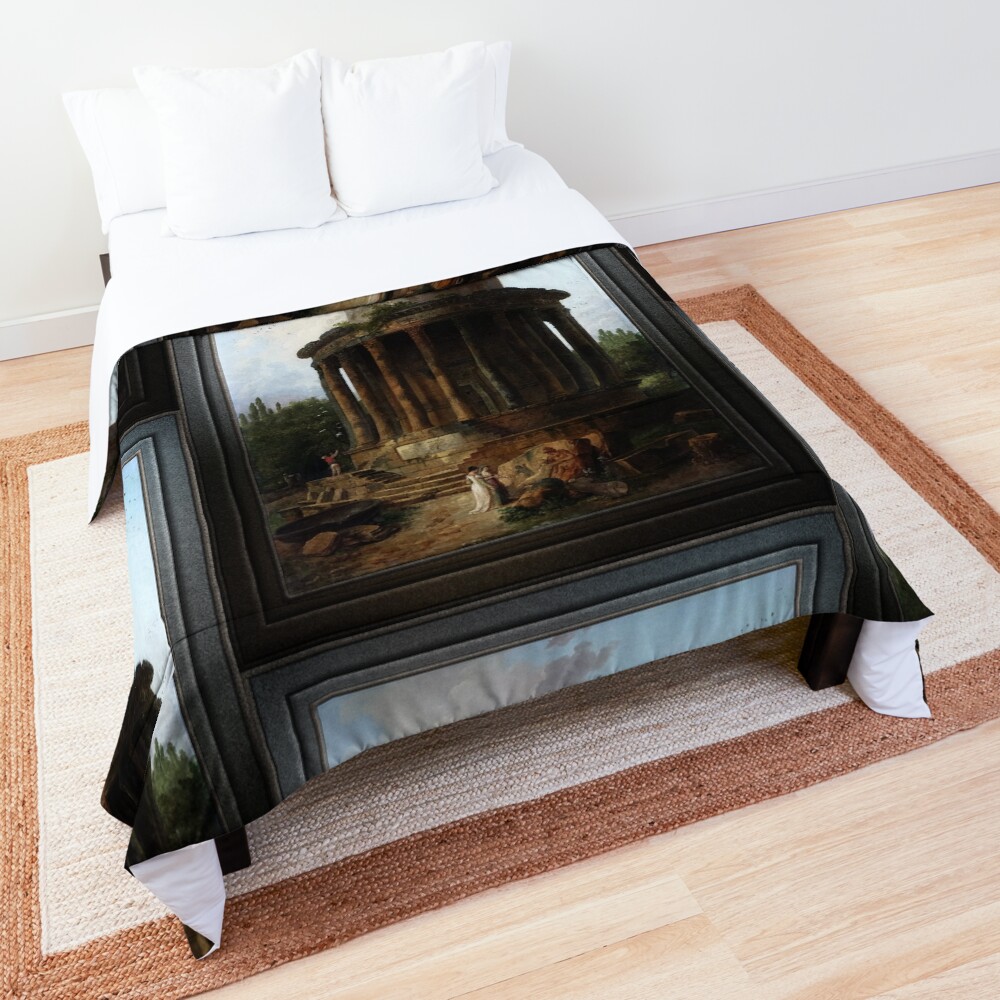
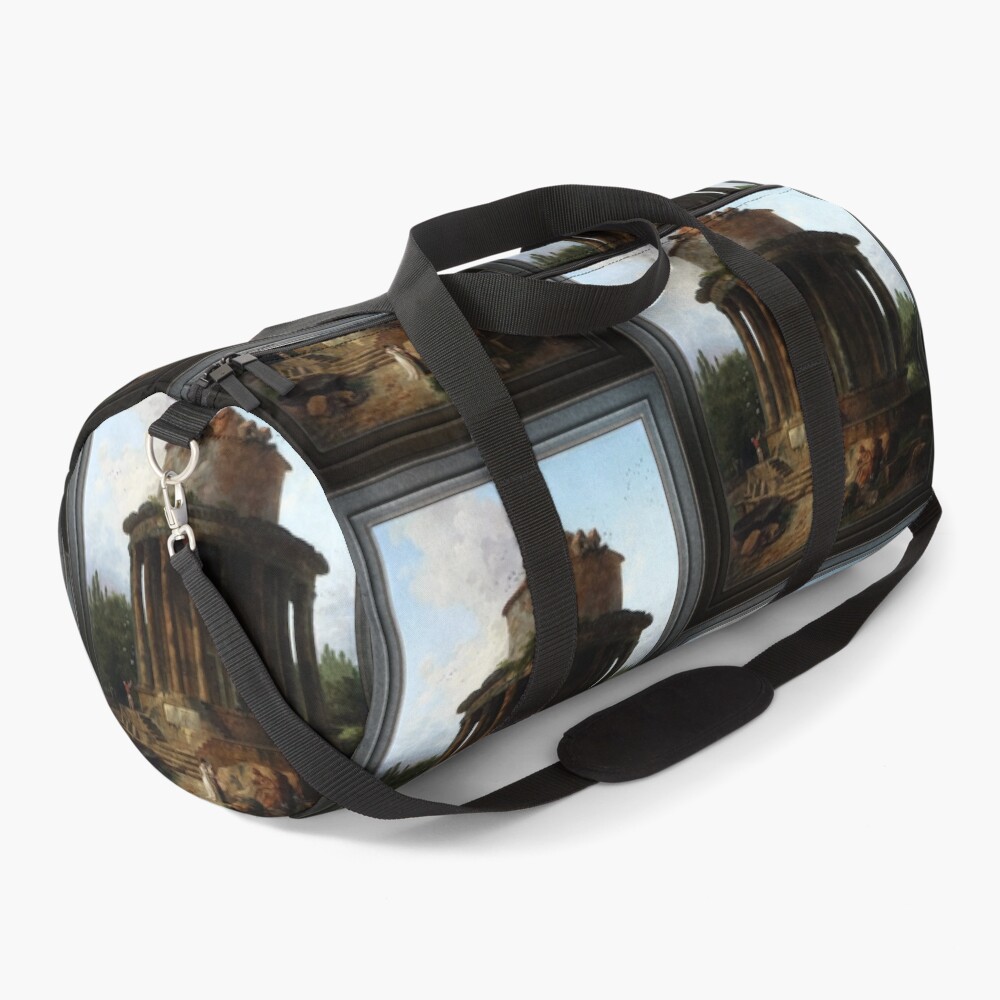
Un Temple Circulaire Jadis Dédié הוא רפרודוקציה של אמנות דיגיטלית עתיקת יומין של תמונה ברשות הרבים הזמינה לרכישה מקוונת בתור הדפס קנבס מגולגל.
מידע למטה מ Wikipedia.org
הוברט רוברט נולד בפריז ב 1733. אביו, ניקולס רוברט, היה בשירותו של פרנסואה-ג'וזף דה צ'ויסול, מרקיז דה סטיינוויל דיפלומט מוביל מלוריין. רוברט הצעיר סיים את לימודיו אצל הישועים בקולג 'דה נוואר ב 1751 ונכנס לאטלייה של הפסל מישל-אנגה סלודץ שלימד אותו עיצוב ופרספקטיבה אך עודד אותו לפנות לציור. ב 1754 הוא יצא לרומא ברכבת של אטיין-פרנסואה דה צ'ויסול, בנו של המעסיק של אביו, שנקרא שגריר צרפת ויהיה מזכיר המדינה לענייני חוץ ללואי ה -15 1758.
הוא בילה אחת עשרה שנים ברומא, לאורך זמן מדהים; לאחר שנגמר מגוריו הרשמיים של האמן הצעיר באקדמיה הצרפתית ברומא, הוא תמך בעצמו ביצירות שהפיק לאניני טעם מבקרים כמו אבבה דה סן-נון, שלקח את רוברט לנאפולי באפריל 1760 לבקר בהריסות פומפיי. המרקיז דה מריני, מנהל Bâtiments du Roi התעדכן בהתפתחותו בהתכתבות עם נטואר, מנהל האקדמיה הצרפתית, אשר הפציר בכרטיסי הפנסיה לשרטט בחוץ, מהטבע: רוברט לא היה צריך שום דחיפות; רישומים מספרי הרישומים שלו מתעדים את מסעותיו: וילה ד'אסטה, קפרולה.
מבט על נמל ריפטה ברומא, ג. 1766, מראה את הפנתיאון הרומי העתיק ליד נמל דמיוני
הניגוד בין הריסות רומא העתיקה לחיי תקופתו עורר את התעניינותו העזה ביותר. הוא עבד זמן מה בסטודיו של פאניני, שאת ההשפעה שלו אפשר לראות בתצוגה הדמיונית של גלריית הלובר ההרוסה (אִיוּר). רוברט בילה את זמנו בחברת אמנים צעירים בחוג פיראנסי, אשר גבעותיו של חורבות שגדלו באופן רומנטי השפיעו עליו עד כדי כך שזכה לכינוי רוברט דה חורבות.[2] אלבומי הרישומים והרישומים שאסף ברומא סיפקו לו מוטיבים שעיבד לציורים לאורך הקריירה שלו.