

Neska Bat Arrosa Saski batekin
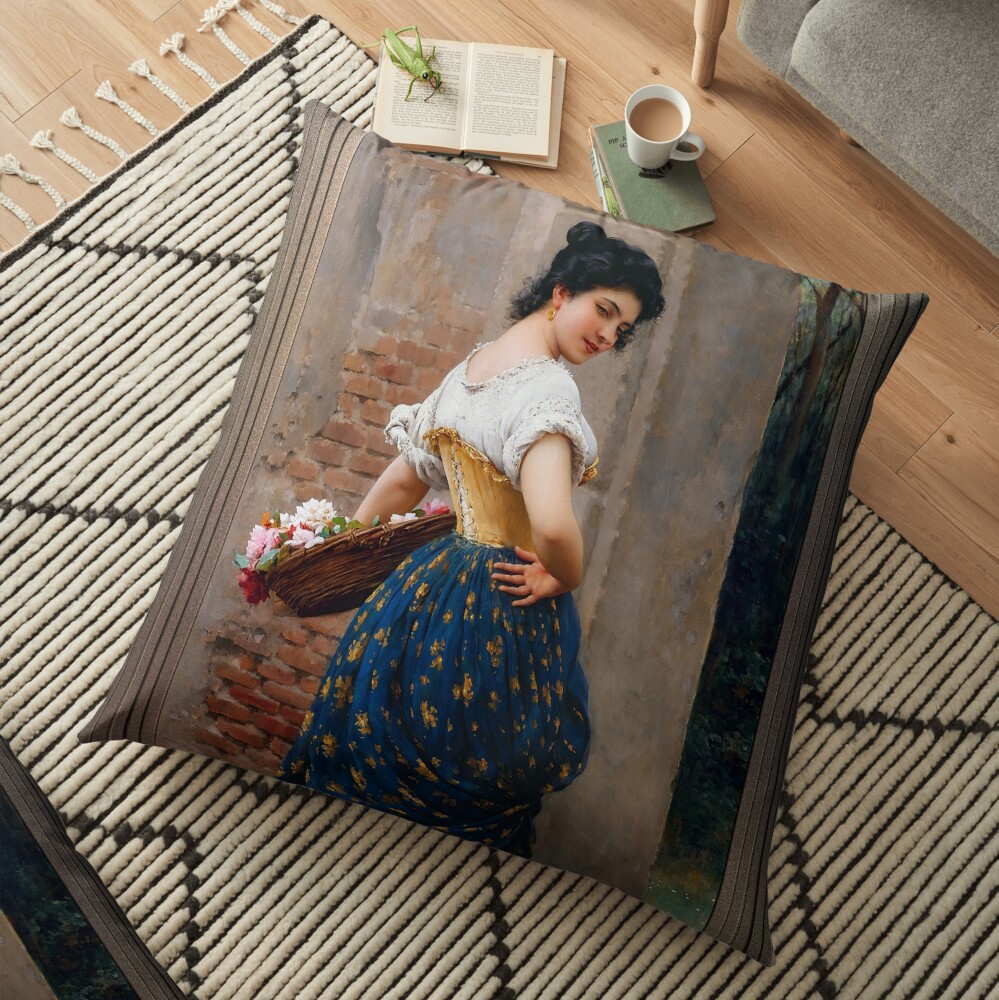
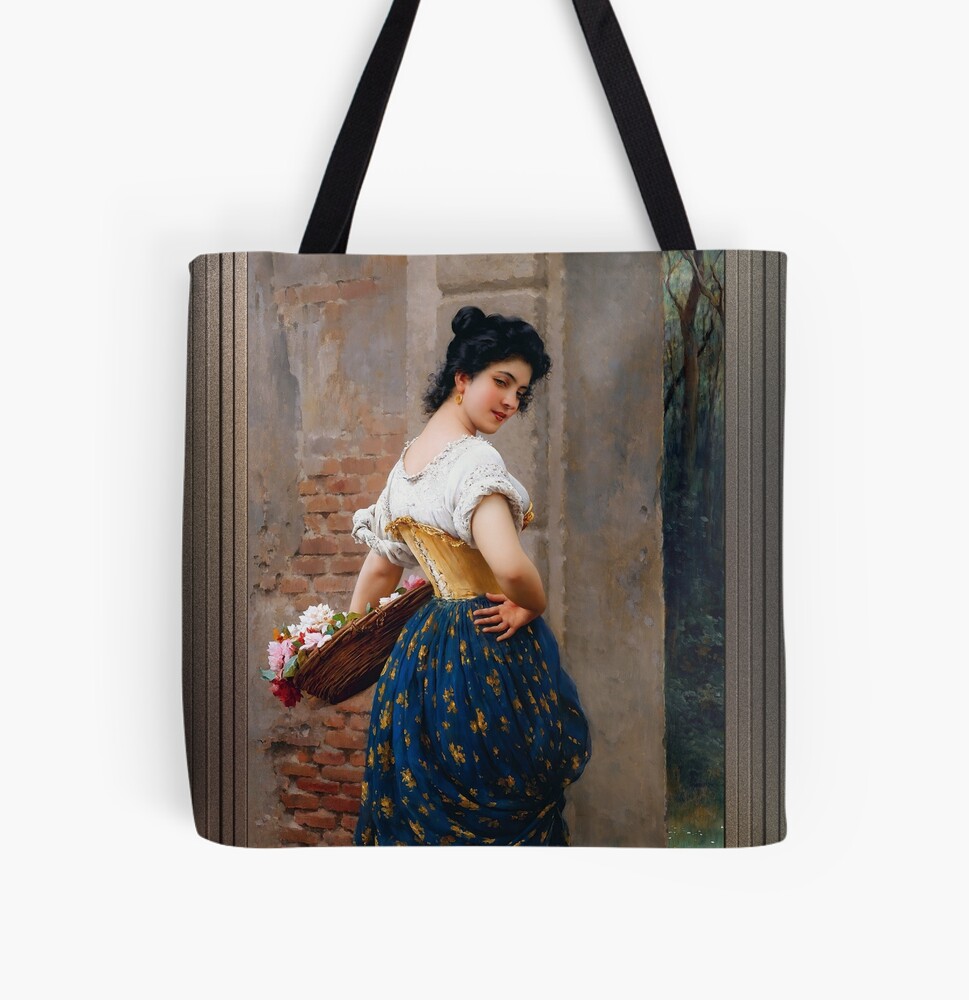
“Neska Bat Arrosa Saski batekin,” sortua 1900 artista italiar ospetsuaren eskutik Eugen von Blaas (1843 – 1931), errealismo klasikoko pieza nabarmena da, landa bizitzako une lasai batean emakume gazte baten xarma eta grazia jasotzen duena.. Von Blaas, janzkera klasikoko emakumeen irudikapen bikainengatik ezaguna, sarritan naturarekin lotura sakona eta edertasun delikatua duten figuren erretratuak margotu zituen. Margolan zehatz honetan, gaia arrosez betetako saski bat darama neska gazte bat da, garbitasuna eta edertasuna sinbolizatzen ditu. Kolore leunak, oihal jarioak, eta inguruaren errepresentazio zehatzak lasaitasun eta denborarik gabeko sentsazioa laguntzen dute.
Edukien taula
Gaia eta osaera
Koadro honen erdiko irudia jantzi tradizional batez jantzitako emakume gazte bat da, dotorea eta sinplea dena. Angelu txiki batetik erakusten da, gorputza ikuslearengana zuzenduta, baina bere begirada apur bat sorbaldaren gainetik zuzendu zen, ikuslea bere mundura gonbidatuz. Emakumearen gazte aurpegia ilunak markatzen du, ile kizkurra, leporaino jaisten diren olatu leunetan moldatu dena. Bere espresioa leuna baina erakargarria da, ikuslearen arreta erakartzen duen jakin-min eta grazia kutsu batekin.
Bere jantziak blusa zuri batez osatuta daude, eskotearen inguruan parpailazko xehetasun korapilatsuekin, janzten duen gona urdin sakonari kontraste delikatua eskainiz. Gona, urrezko lore-motiboz apainduta, kanpora doa, mugimendu sentsazioa sortuz. The rich texture of the fabric is depicted with remarkable realism, giving the viewer a sense of the fabric’s weight and the way it interacts with the light. The contrast of the pale blouse and the dark blue skirt serves to highlight the figure’s form while creating a striking balance in the composition.
Bere eskuineko eskuan, the maiden holds a wicker basket filled with an assortment of roses. The basket is carefully rendered, showcasing the natural texture of the woven material. Loreak, predominantly in shades of pink and white, add a burst of color to the scene and enhance the sense of freshness and life. The roses seem to symbolize purity, edertasuna, and perhaps a sense of youthful innocence, while their gentle placement in the basket conveys a natural elegance.
The subject’s red stockings and brown shoes provide additional contrast against the softer tones of her outfit, grounding the figure in the scene while drawing attention to her lower body. The way the artist has chosen to depict her legs, with the bright red of the stockings and the subtle motion of her gait, imbues the composition with a lively energy that prevents it from feeling static.
Lurra eta atzeko planoa
The background of the painting is equally compelling, though it remains secondary to the primary focus on the maiden. The landscape suggests a rustic, rural environment with its muted tones of earth and greenery. A stone wall stands to the left of the maiden, partially covered in a layer of ivy, which enhances the natural setting. The wall appears aged, bere adreilu meteorizatuetan denboraren aztarnak nabariak. Artistak adreiluen ehundura zakarra xehetasun osoz jaso du, ukimenezko eta benetako sentiaraziz.
Harrizko hormaren harago, paisaia leun bihurtzen da, lorategi berdea edo baso eszena, horrek neskatilaren eta bere ingurunearen arteko lotura harmoniatsua sortzen du. Zuhaitzetatik iragazten den argiak itzal zipriztinak botatzen ditu lurrean, eguneko ordua goizean goiz edo arratsaldean dela iradokitzen du, eguzki-argia epela eta urrezkoa denean. Atzealdeko berde eta marroi leunek neskamearen jantzietako koloreak ispilu dituzte, are gehiago, mundu naturalarekin lotuz.
Margolanaren konposizio orokorrak ikuslearen arreta erakartzen du lehen planoan dagoen dontzeila, hondoak lasaia izaten jarraitzen duen bitartean, serene setting that does not compete for attention. The natural world, captured in delicate brushwork, serves as a perfect complement to the human figure, reinforcing the theme of a harmonious relationship between mankind and nature.
Materialak, Estilo, eta Teknika
Eugen von Blaas’s mastery of oil painting is evident in the richness of the textures and the skillful use of light and shadow. His attention to detail is extraordinary, particularly in the rendering of the fabrics and the roses in the basket. Each rose petal is meticulously painted, with subtle shading that gives the flowers a lifelike quality. The play of light on the maiden’s skin and clothing further demonstrates the artist’s ability to capture the nuances of light, creating a three-dimensional sense of volume in the painting.
Margolanaren estiloak errealismo klasikoaren printzipioei atxikitzen die, mendean eta XX.aren hasieran ezaguna izan zena. Leunaren erabilera, Kolore naturalistak eta giza formaren fokua xehetasunen erretratu leun baina errealista batekin mugimendu honen ezaugarri bereizgarriak dira.. Von Blaasek ehunaren tolesturak eta emakumearen aurpegiaren ezaugarri delikatuak erreproduzitzeko duen gaitasunak anatomiaren eta formaren ulermen sakona erakusten du..
Artelanaren aldartea lasaitasuna eta gogoeta lasaia da. Neskaren adierazpen lasaiak eta giro lasaiak lasaitasun sentsazioa pizten dute, as if the viewer is witnessing an intimate moment in the life of the subject. The artist captures a fleeting moment of beauty, one that is both timeless and specific to a particular moment in history, evoking a nostalgia for a simpler, more idyllic way of life.
Gaia eta Aldartea
The underlying theme of the painting revolves around beauty, izadi, and the purity of youth. Arrosak, as symbols of beauty and love, serve to reinforce these ideas, while the woman’s serene expression and graceful pose suggest a sense of contentment and inner peace. The rural setting, with its gentle greenery and natural light, further enhances the theme of harmony between humanity and nature. The mood of the painting is light, peaceful, and imbued with a sense of nostalgia for an idealized past.
Domeinu publikoko irudi baten erreprodukzioa da mihise inprimatu sarean.
Arte digitalaren sorkuntza hau, Xzendor7 webgunean aurki daitezkeen artelan guztiak bezala sarean erosteko eskuragarri dago hainbat material formatutan, mihise inprimatuak barne., estanpatu akrilikoak, metal estanpatuak, egur estanpatuak, marko estanpatuak, kartelak, eta ijetzitako mihise estanpatu gisa hainbat tamainatan 12 zentimetroetara 72 hazbeteko artelanaren eta artea erosteko aukeratzen duzun eskaeraren arabera inprimatzeko dendaren tamainaren arabera.
Artelana gizonezkoen eta emakumezkoen arropa sorta zabal batean ere eskuragarri dago, katiluak, totes, zapiak, koadernoak eta aldizkariak eta etxeko dekorazio produktu ugari.
Artistaren biografia
Informazioa Behean Deribatua Wikipedia.org
He was born at Albano, Erromatik gertu, Tirol aita eta ama italiarrari. Bere aita Karl, margolaria ere bai, bere irakaslea zen. Bere ama, Agnesina Auda, emakume erromatar aberatsa zen. Familia Veneziara joan zen bizitzera Karl Veneziako Akademiako irakasle izan zenean. Eszenak askotan margotu zituen Venezian, baina baita erretratuak eta koadro erlijiosoak ere.
Bere lanen artean, sakristian ezkontza-forma; Veneziako Campieloko tonbola; Txotxongilo eszena bat eskola batean; eta La Ninetta. Luigi Chirtani arte kritikaria, margolana Mostra Nazionale di Venezian erakutsi zutenean, Ederra bezala deskribatu zuen, lausengarri, polita, laztandu, garbitu, leunduta, garbitzailea jaunaren margolan batean. Maskuria, Veneziako aristokrata handien erretratugile gogokoena, gala satinaz jantzita, bitxi distiratsuak, aberatsen orrazkera.
Veneziako gizartearen garaiko irudi koloretsu eta nahiko teatralizatuak, adib. Balkoian (1877; Bilduma pribatua), nahiko desberdinak ziren patioetako pastel eta akuaforte delikatuen aldean, Venezia modernoko balkoia eta kanalak.
Eugene de Blaas’ margolanak Errege Akademian erakutsi zituzten, Arte Ederren Elkartea, New Gallery eta Arthur Tooth and Sons Gallery Londresen, eta Liverpooleko Walker Art Gallery-n ere bai