

Ilse ur-jauzia Brocken-eko Harz mendietan
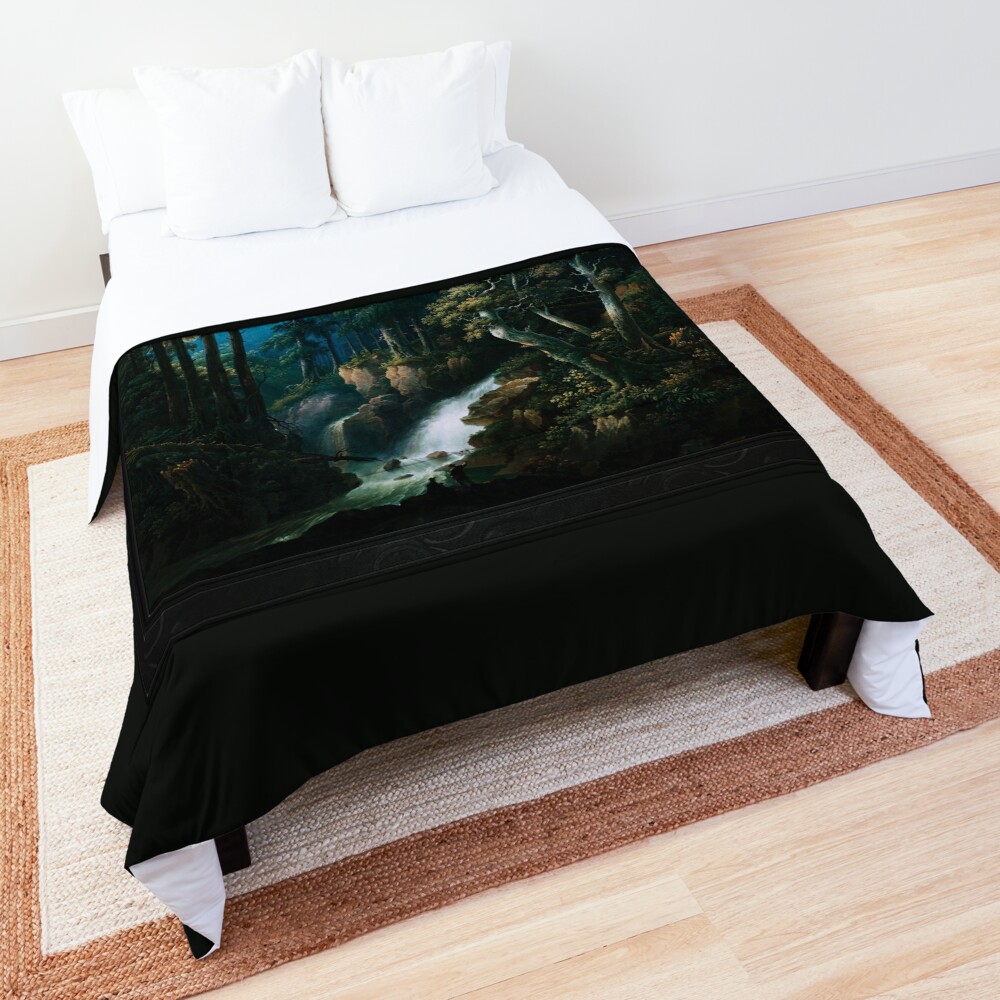
“Ilse ur-jauzia Brocken-eko Harz mendietan” (Ilseko ur-jauzia Brocken-eko Harz mendietan), sortua 1830 Hermann Josef Neefe margolari alemaniarrarena (1790 – 1854), liluragarria da paisaia pintura Alemaniako Harz mendietako naturaren edertasun lasaia baina domagaitza erakusten duena. Neeferen erretratua estilo erromantikoaren adibide maisu bat da, mende hasierako ezaugarria, non natura aldi berean ikaragarria den eta batzuetan menderagarria den. Margolanak ingurunearen fisikotasuna jasotzen ez ezik, sublimearekiko lotura emozional bat ere deitzen du, Erromantizismoan gai nagusia.
Pieza nabarmen hau mundu naturalaren esplorazioa eta lurraren botere transzendentalaren inguruko hausnarketa bat da.. Margolanaren lehen planoan ur-jauzi indartsua da nagusi, the Ilse Falls, tumbling down rocky cliffs into a foamy pool below. Ura, though turbulent in motion, is executed with such precision that the viewer can almost feel the spray, the chill in the air, and hear the roar of the water. The painter’s careful attention to the intricacies of the water’s flow and the play of light on its surface imparts a dynamic quality to the scene.
Edukien taula
The Central Waterfall and Terrain
The central focus of the composition is undoubtedly the waterfall itself, which emerges from the dense foliage of the surrounding forest. Neefe-k trebetasunez antolatu ditu elementuak, kaskadako ura konposizioaren barruko foku eta indar bateratzaile gisa jarduteko.. Jaitsierak ez dira ezaugarri natural bat soilik; naturaren domatu gabeko boterearen ikur dramatiko bihurtzen dira. Uraren indarraren eta inguruko arroken leuntasunaren arteko kontraste zorrotzak indar elementalen arteko betiko borrokaren zentzua dakar..
Ur-jauzia inguratzen duen lur harritsua malkartsua eta irregularra da, harri-irteerak irteten direlarik, horietako batzuk hostoek partzialki iluntzen dituzte. Arrokak eguzki-argi zikinduta daude, eguneko ordua arratsalde amaierakoa dela iradokitzen du, eguzkia zeruan behean dagoenean. Eguzki-argi honek leun batekin distira egiten du, urrezko tonua baso-oihaletik iragazten den bitartean, argiaren eta itzalen arteko kontraste deigarriak sortuz. Argiaren trantsizio delikatu hauek isiltasun sentsazioa pizten dute ur-jauziaren kaosaren artean, naturan jokoan dagoen indar oreka azpimarratuz.
The Forest and its Atmospheric Presence
trinkoa, Ur-jauzia inguratzen duen baso iluna Neefek zuhaitzen ehundura eta kalitate desberdinak erreproduzitzeko duen trebetasunaren erakusgarri da., hostoa, eta lurra. Zuhaitzak altuak eta sendoak dira, beren enborrak bihurritu eta korapilotsuak ziren mendeetako eguraldi gogorrari eutsi izan balute bezala. Beren hostoak tonu berde desberdinetan daude, batzuekin eguzki-argiak argituta, beste batzuk, berriz, itzalpean geratzen dira, eder bat sortuz, giro ia mistikoa. Zuhaitz ikaragarriek handitasunaren sentipenari laguntzen diote, ikuslea txiki sentiaraziz paisaiaren zabaltasunarekin alderatuta.
Atzealdean, a deep mist seems to rise from the forest floor, further emphasizing the raw and uninhabited beauty of the environment. The mist, combined with the thick forest canopy, suggests an air of mystery and timelessness. The misted area in the distance provides an ethereal and slightly ominous atmosphere, allowing the viewer to imagine that the wilderness is an untamed, untouchable space where human intervention is absent.
Figures in the Landscape
Though the painting primarily emphasizes the overwhelming presence of nature, there are a few figures that provide a sense of scale and add an additional layer of meaning to the composition. A small group of figures stands near the base of the waterfall, almost dwarfed by the massive rocks and the rushing water. These figures appear to be travelers, possibly local people, ingurunearekin bat datozela dirudienak. Haien jantzi sinpleak eszenan nahasten dira, natura menderatu beharrean igarotzen edo behatzen ari direla iradokiz.
Pinturan duten eskala txikia gizakiak edertasun natural handi horren aurrean duen garrantzi hutsala gogoratzeko balio du.. Irudi hauek erromantizismoaren gaia indartzen dute, non natura sarritan ikaragarri eta apalgarri gisa irudikatzen den. Inguratzen duten mundu otzana kontenplatzen ari balira bezala agertzen dira, naturaren sublimea eta zabaltasuna bizitzeko gizakiaren nahia sinbolizatuz.
Aldartea eta Giroa
Aldarte orokorra “Ilse ur-jauzia Brocken-eko Harz mendietan” begirunez eta ikarazko bat da. Neeferen teknika paisaiaren ehundurak errendatzeko, argi eta itzal jolasa, and the contrast between the ferocity of the waterfall and the tranquility of the forest creates an atmosphere that is at once serene and dynamic. The work reflects the Romantic fascination with nature as a source of both beauty and power. There is an underlying tension in the piece—the water flows relentlessly, the trees stand strong and silent, and the mist shrouds the distant view—all creating an atmosphere where nature feels both majestic and threatening.
The natural world in this painting is not idealized or controlled; it is wild, unpredictable, and overwhelming. Neefe seems to ask the viewer to consider nature not just as a place of beauty, but as a realm that is indifferent to human existence. This sense of awe and respect for the natural world is deeply embedded in the mood of the painting, making it a perfect example of Romanticism’s celebration of nature’s majesty and mystery.
Estiloa eta Teknika
Estilo aldetik, Neefe follows the Romantic tradition, embracing a deep connection to nature and emphasizing emotional intensity over rationality. His use of chiaroscuro—the contrast between light and dark—is particularly striking. The vivid contrast between the illuminated waterfall and the shadowed forest creates a dramatic visual impact, reinforcing the painting’s emotional depth. The highly detailed rendering of the natural elements, from the individual leaves to the swirling water, shows Neefe’s attention to realism, but also his ability to infuse the scene with an emotional resonance.
The landscape itself is lush and alive, filled with textures that invite the viewer to look closer and explore its many layers. Whether through the detailed depiction of tree bark, the subtle gradations of light on the water, or the play of shadow and mist in the background, Neefe brings the landscape to life with an almost tactile quality. His careful brushwork and attention to detail elevate this piece into an unforgettable portrayal of the Harz Mountains and the grandeur of the natural world.
Ilse ur-jauzia Brocken Harz mendietan c1830 Hermann Josef Neefe margolari alemaniarrarena (1790 – 1854); theater and landscape painter of the early 19th century.
Der Wasserfall der Ilse auf dem Brocken is a remastered digital art old masters reproduction of a public domain image that is available as a mihise inprimatu sarean.
Artistaren biografiatik eratorria Wikipedia.org
Hermann was born on September 3, 1790 in Vienna to Christian Gottlob Neefe an orchestral conductor of the chapel choir and as a child was instructed by his father in playing the violin; eta urtekin 14 went to his uncle A. Rösner in Vienna who was an opera singer in the Burgtheater musical training.
While with his uncle, Hermann one day was introduced to the engraver Jakob Christian Schlotterbeck (1757 – 1811) at his uncle’s house.
This chance meeting helped him with his graphic work, which led him to visit the Academy of Visual Art in Vienna, Austria; where he was an A.O. Master student.
Akademian ikasten ari zen bitartean, Hermann Antonio De Pian Austriako Antzerki Margolariaren eragina izan zuen gehienbat (1784 – 1851); eta bere laguntzarekin hainbat antzokiren enkargu txikia jaso ahal izan zuen bere prestakuntzan zehar.
Akademiako irakasleen bidez Hermann Karl Friedrich Hensler antzerki zuzendaria aurkeztu zen, hark kontratatu zuen lan batzuk egiteko; eta geroago bere lehen lan nagusia Friedrich Horschelten haurrentzako ballet baterako eszenografiak diseinatzea izan zen.
Hermann lan nagusia antzerki margolaria izan bazen ere, hainbat paisaia sortu zituen olioz eta akuarelaz; sarritan zirriborro gisa balio zuen bere eszenografia monumentaletarako.