

Monument to Mignard c1735
Monument to Mignard c1735 by French Painter フランソワ・ブーシェ (1703 – 1770); 製図技師としても知られています, フランスのロココ様式の彫刻家と装飾家, 彼の豪華な神話でよく知られていました, 寓話的でエロティックなモチーフであり、ルイ15世の宮廷画家であり、ポンパドゥール夫人のお気に入りでした。.
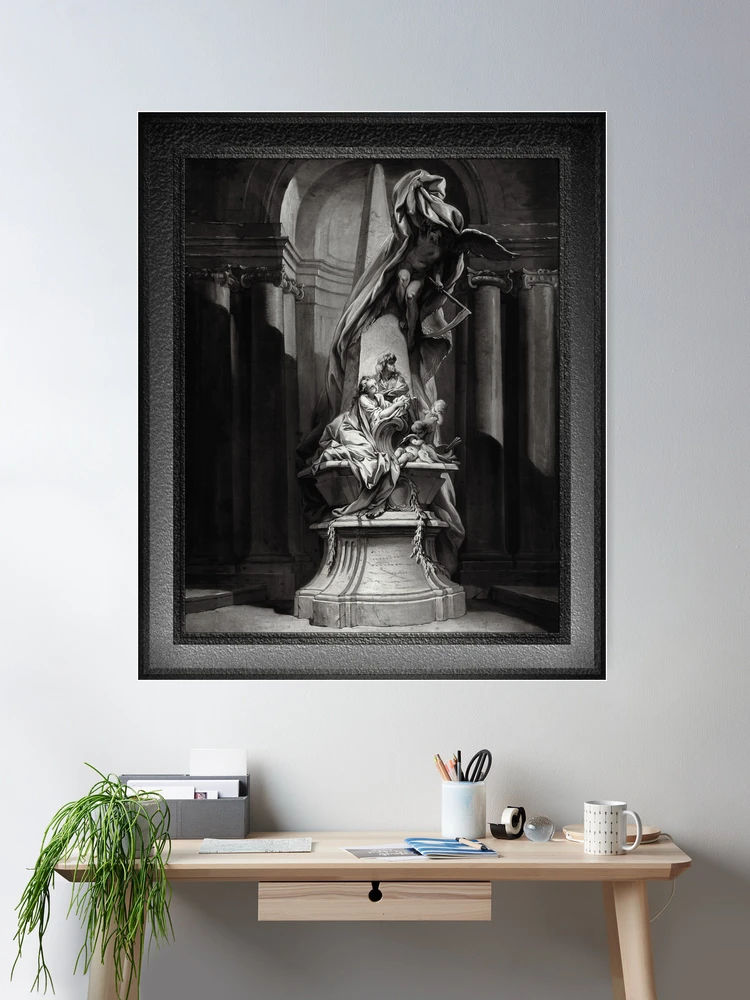
フランソワ・ブーシェ “Monument to Mignard,” 周りに描かれています 1735, is a compelling and emotive depiction of the human condition, crafted in the Rococo style. This masterpiece is a tribute to either the renowned French artist Pierre Mignard (1612–1695), known as Mignard le Romain or his brother Nicolas Mignard (1606 -1668) known as Mignard d’Avigno. Both french painters known for their portraits, religious and mythological scenes; who were influential figures in French art and the predecessor of many Rococo artists. The monument represents both the grandeur of the Mignard legacy and the ethereal qualities of art and immortality.
目次
スタイルとテクニック
Boucher’s approach to the painting combines the elegance of Rococo with the formal compositional structure of Baroque. Rococo art is known for its lightness, 恵み, and often playful themes, which are all present in this piece. ソフト, delicate brushwork and gentle tonal contrasts give the painting a serene, ほとんど夢のような品質. The use of chiaroscuro—the dramatic contrast between light and dark—adds a deep emotional gravity to the otherwise graceful and fluid scene. Despite the subject’s connection to a memorial, Boucher imbues the scene with an otherworldly sense of beauty, elevating the theme of remembrance into one of reverence and artistic transcendence.
The artist’s signature light palette—an array of soft grays, 白人, and muted earth tones—dominates the work. The use of these tones is characteristic of Boucher’s style, which often sought to evoke feelings of serenity and contemplation through the careful modulation of light and shadow. The careful blending of the figures and environment further enhances the romantic and serene nature of the piece, which contrasts with the heavy, monumental subject matter.
テーマと雰囲気
その中心にあるのは, “Monument to Mignard” explores the concept of artistic immortality. Through Boucher’s portrayal, Mignard is both physically and symbolically immortalized. The monument in the artwork is not just a physical structure but represents the enduring legacy of Mignard’s contributions to French art, ensuring his influence persists long after his death.
There is a melancholic yet noble atmosphere to the piece. The figures that surround the monument, seemingly in mourning, represent the continuation of Mignard’s artistic lineage. 中心人物, draped in flowing robes and seated in a solemn pose, could be seen as an allegorical figure of Fame or Art itself, preserving and honoring Mignard’s memory. Surrounding this figure are other smaller figures, each contributing to the narrative of loss and tribute. Their expressions of grief are subtle yet poignant, underlining the emotional weight of the scene.
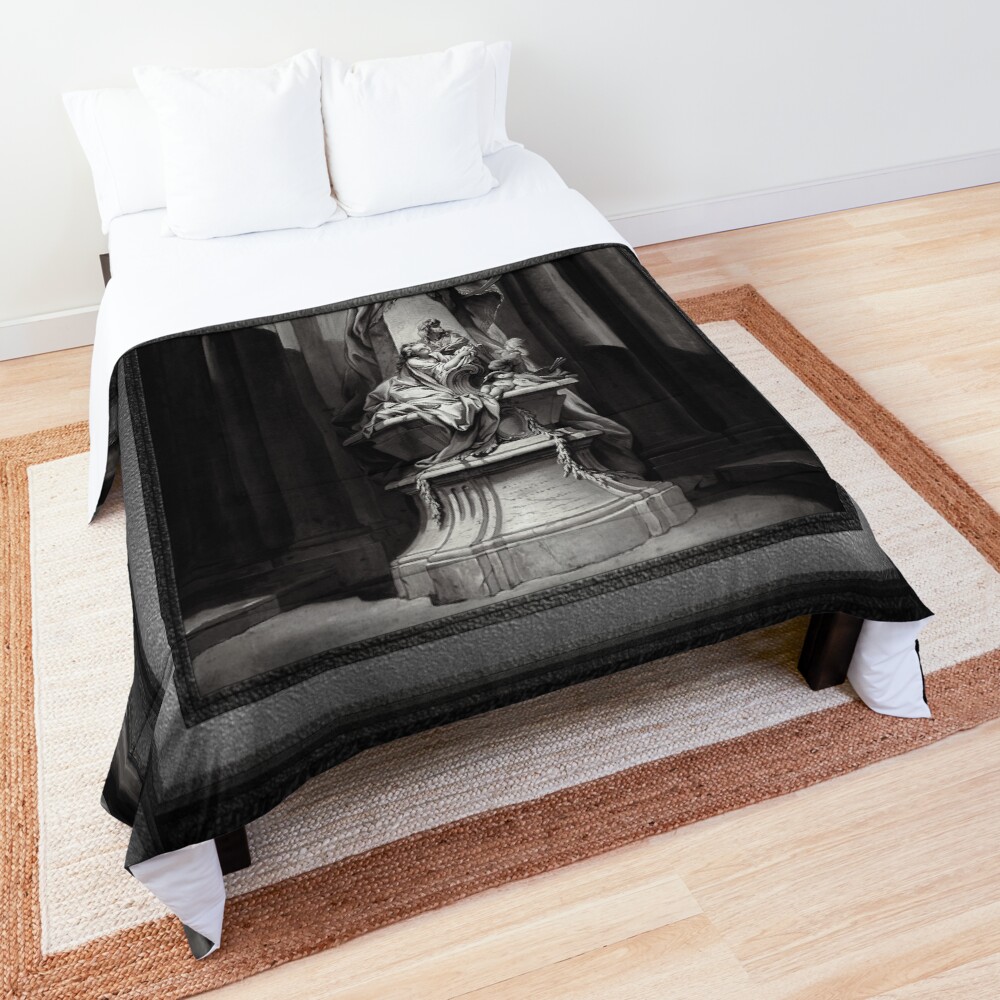
The overall mood of the painting is one of quiet reverence. There is no overt display of sadness or grief, but rather a meditative reflection on the passage of time and the eternal nature of art. Boucher’s use of light and shadow in the scene also conveys a sense of transcendence, where the figures appear to exist between the earthly and divine realms.
The Monument and Surrounding Elements
The monumental structure that stands at the center of the composition is both imposing and elegant. It is a grand obelisk-like column, adorned with flowing drapery that seems to animate the sculpture, bringing it to life. The monument serves as a symbol of both the permanence of Mignard’s artistic achievements and the transient nature of human life. The draped fabric around the monument adds a sense of softness, reminding the viewer of the connection between life and death, beauty and loss.
The surrounding architecture, with its classical columns and arc-like structures, references the grandeur of ancient Roman or Greek monuments. These elements enhance the sense of timelessness, suggesting that Mignard’s legacy is not merely confined to the present but is part of a greater historical continuum. The architecture serves as a visual counterpart to the central monument, grounding the ethereal figures and adding depth to the space.
The sculptural elements, both on the monument and surrounding it, add to the solemnity of the scene. Small figures of children and angels are seen in the painting, representing the innocence and purity that continue even in the face of death. These figures emphasize the cyclical nature of life and the unbroken continuity of artistic expression. In this, Boucher elevates Mignard to a nearly divine status, suggesting that through his art, Mignard has achieved a kind of immortality.
The Figures and Their Significance
The figures depicted in the painting are not merely decorative; each one plays a role in the overall narrative of artistic immortality. At the center of the scene, a draped figure—possibly an allegorical representation of Fame or Art—gently points toward the monument, guiding the viewer’s attention to Mignard’s legacy. This figure seems to embody the concept of memory and preservation, ensuring that the artist’s achievements will not fade away with time.
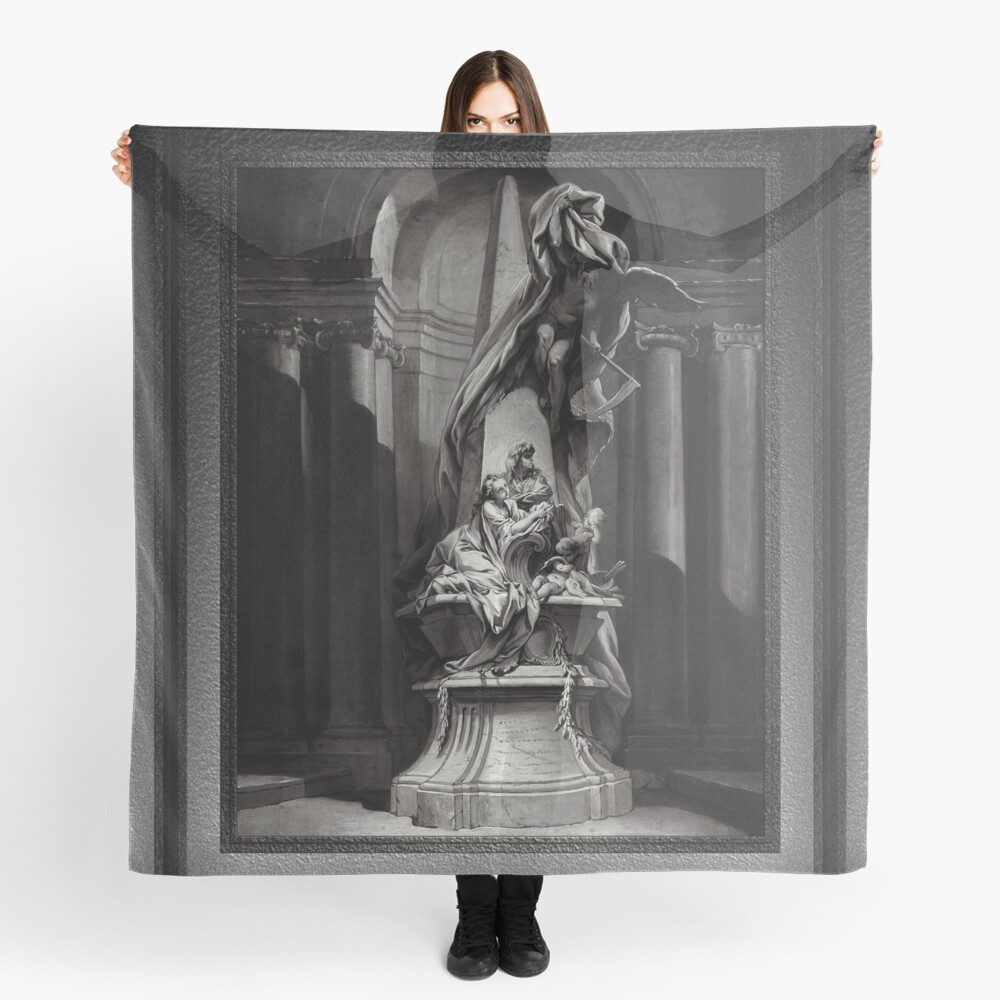
In addition to the central figure, several smaller figures can be observed seated or standing near the monument. これらの数字, often depicted in a state of contemplation or mourning, serve as representations of the viewers or admirers of Mignard’s work. Their placement around the monument suggests that art is not an isolated endeavor, but a collective experience shared by many. This idea reinforces the theme of art as an enduring force, capable of uniting generations across time.
The use of drapery in the figures’ clothing, particularly in the robes of the central figure, is typical of Boucher’s style. The flowing fabrics emphasize the movement and grace of the figures, suggesting both the passage of time and the connection between the living and the deceased. The gentle folds of the fabric add an element of softness to the otherwise rigid monument, symbolizing the balance between life and death, the ephemeral and the eternal.
結論
Boucher’s “Monument to Mignard” is a rich and evocative work that goes beyond simply memorializing an artist. Through the Rococo style, Boucher creates a scene that feels both timeless and intimate. The painting is a meditation on memory, immortality, and the perpetual nature of art. By combining elements of classical architecture, soft tonalities, and allegorical figures, Boucher elevates the figure of Mignard to a symbolic plane, forever enshrined within the realm of artistic and cultural immortality.
Monument to Mignard is a retouched digital art reproduction of a public domain image.
以下の情報から Wikipedia.org
パリ出身, ブーシェはあまり知られていない画家ニコラスブーシェの息子でした, 彼に彼の最初の芸術的訓練を与えた人. 17歳で, ブーシェの絵画は、画家フランソワ・ルモワンに賞賛されました. Lemoyneは後にBoucherを彼の見習いとして任命しました, でもたった3ヶ月で, 彼は彫刻家ジャン=フランソワ・カーズのために働きに行きました.
に 1720, 彼は絵画でエリートローマグランプリを受賞しました, しかし、5年後までイタリアで勉強する結果的な機会をとらなかった, 王立絵画彫刻アカデミーの財政問題のため。[1] イタリアでの勉強から戻ったとき、彼は再建された王立絵画彫刻アカデミーに入学しました。 24 11月 1731. 彼のレセプションピース (レセプションピース) 彼のリナルドとアルミダは 1734.
ブーシェはマリージャンヌブゾーと結婚しました 1733. カップルには3人の子供がいました. Boucherはの教員になりました 1734 そして彼のキャリアはこの時点から加速し、彼は教授、そしてアカデミーの学長に昇進しました。, 王立ゴブラン製作所の検査官になり、ついに国王の筆頭画家になりました (王の最初の画家) に 1765. マリー=ルイーズ・オマーフィーの肖像c. 1752
ブーシェはで死んだ 30 5月 1770 彼の生まれ故郷のパリで. 彼の名前, 彼の常連客であるポンパドゥール夫人のそれと一緒に, フランスのロココ様式の代名詞になっていた, ゴンコート兄弟を率いて書く: “ブーシェは世紀の味を代表する男性の一人です, 表現する人, それを具体化して具体化します。”
ブーシェは自然が “緑が多すぎて照明が不十分” (緑が強すぎて照明が悪い).
ブーシェは宝石の彫刻家ジャック・ゲと関係がありました, 彼が描くことを教えた人. 彼はまた、モラヴィア・オーストリアの画家マーティン・フェルディナンド・クアダルと新古典主義の画家ジャック=ルイ・ダヴィッドを指導しました。 1767.[4] 後で, ブーシェは、ポンパドゥール夫人が彫刻し、好意的な廷臣に見事に綴じられた巻として配布した、グアイの一連の作品の素描を作成しました。