

Barcos en apuros frente a una costa rocosa
“Barcos en peligro Off A Rocky Coast” is a remarkable piece of marine art created in 1667 by the German-born Dutch painter Ludolf Bakhuizen (1630 – 1708). Known for his seascapes, Bakhuizen’s works are a blend of technical mastery and emotive narrative, capturing the power and unpredictability of the sea. Esta pintura, executed in oil on canvas, showcases his signature style, which emphasizes dramatic weather conditions and the complex interplay of light, agua, and ships in perilous circumstances. The viewer is transported to a tumultuous moment in maritime history, evoking the treacherous environment that sailors often faced on the open sea.
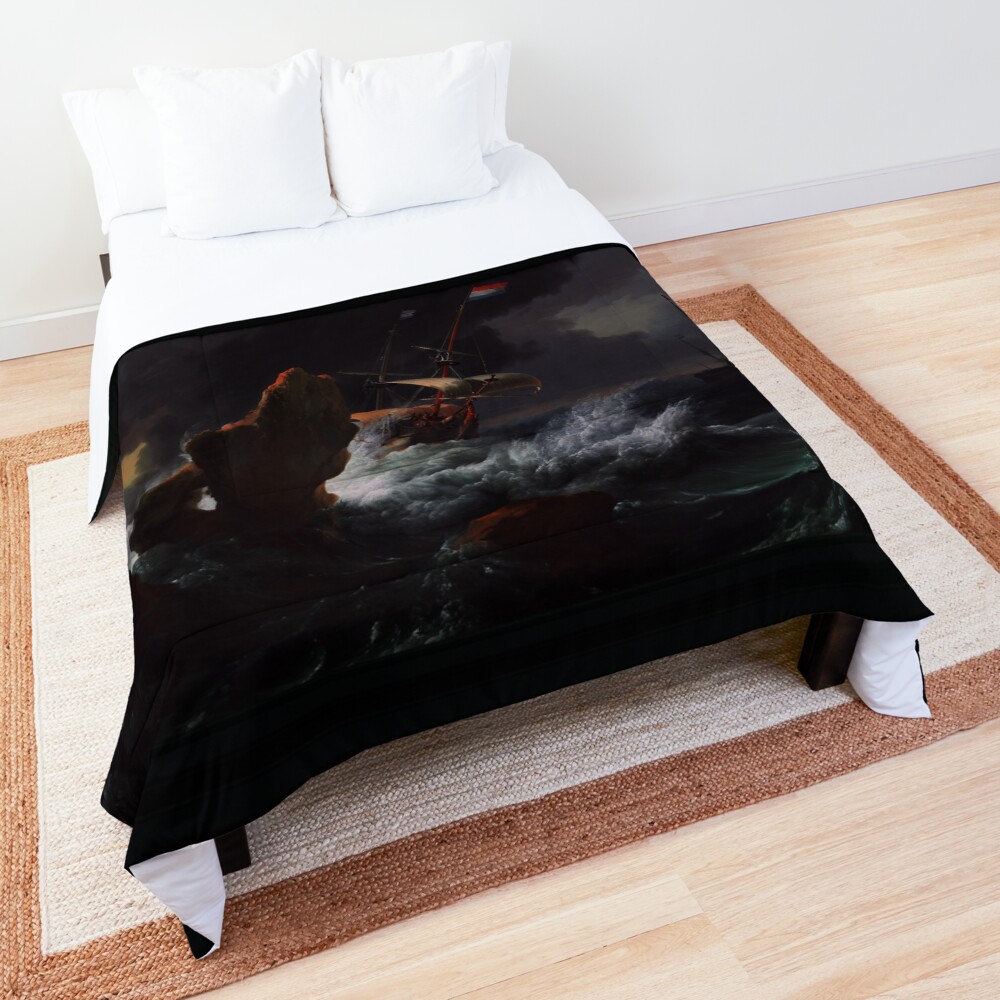
Tabla de contenido
Tema y composición
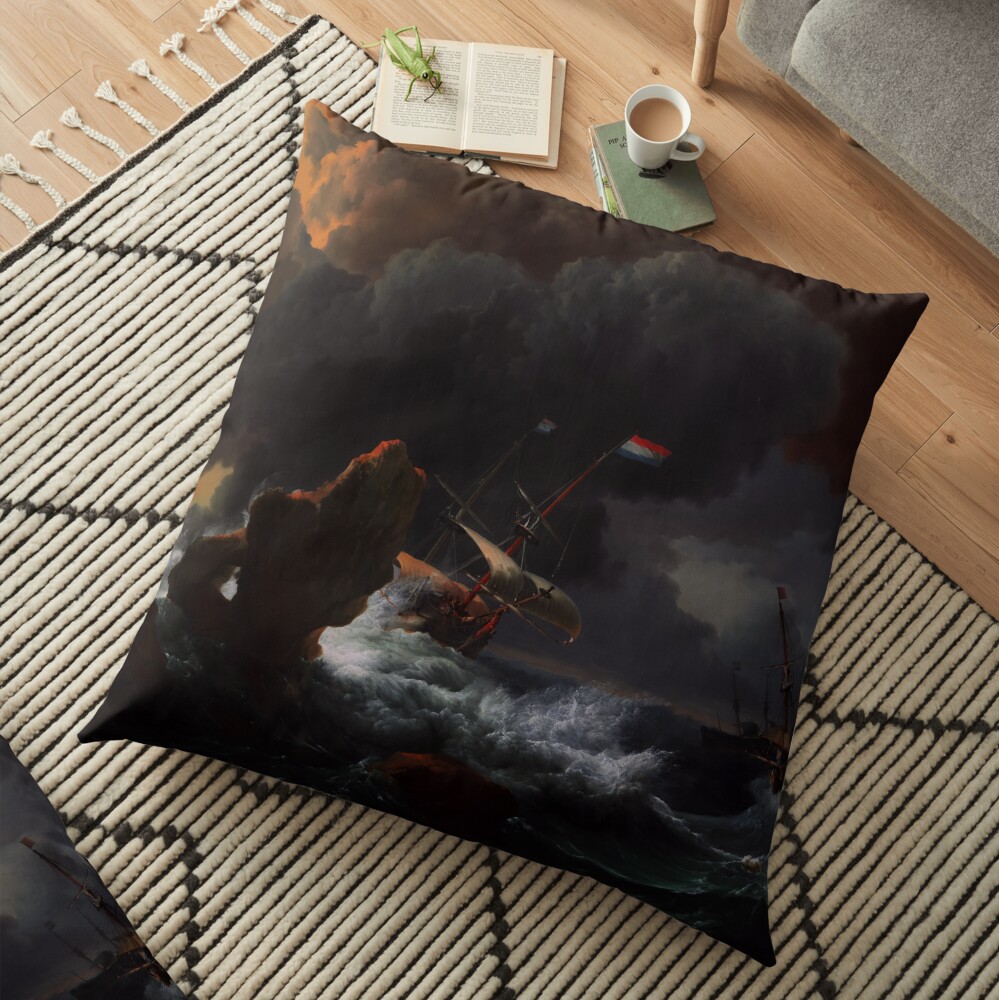
El tema central de “Barcos en apuros frente a una costa rocosa” revolves around two ships caught in a violent storm. The ships, one seemingly in the process of sinking and the other struggling to remain afloat, are surrounded by sharp, jagged rocks that threaten to crush them. The rocky terrain on the coast serves as a stark contrast to the vast expanse of the wild ocean, and the fierce crashing waves create an immediate sense of chaos and danger. The distressed vessels are depicted in mid-crisis, their sails caught in the wind, and their fragile structures seem to be at the mercy of the waves.
en primer plano, the artist captures a highly detailed depiction of the waves, with foam surging around the rocks and cascading down from the towering swells. The sea appears both beautiful and dangerous, its dark waters reflecting the turbulent skies above. The ships’ crew is not shown in detail, but their presence is implied through the dramatic actions of the vessels and the desperate atmosphere that permeates the scene.
Bakhuizen’s skillful use of perspective gives the viewer a sense of being an observer of this moment in time. The ships seem to be caught between the forces of nature and their imminent fate. The use of space within the painting makes the viewer feel small and insignificant in the face of the grandeur of the natural world. It is as though the viewer is witnessing a battle between human craftsmanship and the raw, untamable power of nature.
Estado de ánimo y ambiente
The mood of the painting is one of impending doom and tension, underscored by the stormy atmosphere. The dark clouds that dominate the sky create a sense of foreboding, casting an almost apocalyptic tone over the scene. The intensity of the storm is conveyed not only through the movement of the waves and the ships but also through the deep contrasts of light and shadow that Bakhuizen employs. The violent winds and the threatening sea suggest a struggle between man and nature, an eternal theme that was particularly resonant in the age of exploration and naval power.
The dramatic lighting that Bakhuizen uses intensifies the emotional impact of the painting. While the skies remain heavily clouded, a faint light from an unseen source is evident in the reflections on the turbulent water. This subtle illumination serves to highlight the vulnerable nature of the ships and their precarious position against the power of the storm. It is as though the viewer is witnessing a moment frozen in time, a dramatic event unfolding before their eyes.
Estilo y técnica
Bakhuizen’s style reflects the Baroque period’s emphasis on realism and dramatic contrasts. His technical skill in rendering the natural elements, such as the turbulent ocean and the billowing sails, demonstrates his ability to capture the dynamic qualities of the scene. The precision in his depiction of the waves and the jagged rocks shows his meticulous attention to detail, which was a hallmark of Dutch Golden Age painters. The texture of the painting, with its thick layers of paint in certain areas, adds to the sense of realism and depth, especially in the portrayal of the foamy waves crashing against the ships.
In addition to his meticulous attention to detail, Bakhuizen’s use of light and shadow is essential to the painting’s emotional depth. The contrast between the stormy sky and the illuminated water below enhances the feeling of drama, mientras la oscuridad, ominous clouds overhead suggest that the situation is dire. This interplay of light and dark in the composition enhances the tumultuous mood of the painting and highlights the artist’s technical mastery.
The Importance of the Scene
“Barcos en apuros frente a una costa rocosa” is more than just a depiction of a storm at sea; it represents the vulnerability and struggle of the ships and their crews, as well as the power of nature that could overwhelm even the most skilled sailors and the most advanced ships of the time. In the 17th century, the Netherlands was a dominant naval power, and the painting reflects both the pride of the Dutch maritime industry and the ever-present dangers faced by those who worked at sea. Durante este período, sailors frequently encountered perilous storms and unpredictable seas, and Bakhuizen’s artwork captures this theme with both drama and realism.
además, the painting is a testament to the Baroque interest in dynamic compositions and emotional intensity. By depicting a moment of extreme distress, Bakhuizen emphasizes the power of nature and the fragility of human endeavors. The artwork serves as a reminder of the tumultuous nature of life during the Age of Sail, where danger was a constant companion on the high seas.
Conclusión
Ludolf Bakhuizen’s “Barcos en apuros frente a una costa rocosa” is an exemplary piece of 17th-century Dutch marine painting. A través de su magistral uso de la luz., textura, and dramatic composition, Bakhuizen invites the viewer to witness the turmoil of a storm at sea and the fragility of ships caught in its grip. The painting not only captures the beauty and danger of the natural world but also reflects the uncertainties and challenges faced by those who ventured into the ocean during the Golden Age of Dutch naval power.
Ships In Distress Off A Rocky Coast es una reproducción de maestros antiguos de arte digital retocada de una imagen de dominio público que está disponible en línea como impresión enrollada.
Esta creación de arte digital, al igual que todas las obras de arte que se pueden encontrar en el sitio web de Xzendor7, están disponibles para su compra en línea en una variedad de formatos de materiales, incluidas impresiones en lienzo, impresiones acrílicas, impresiones de metal, impresiones de madera, láminas enmarcadas, carteles, y como lienzos enrollados en una variedad de tamaños, desde 12 pulgadas a 72 pulgadas según el tamaño de la obra de arte real y la tienda de impresión bajo demanda en la que elija comprar la obra de arte.
La obra de arte también está disponible en una amplia gama de prendas de vestir para hombres y mujeres., tazas, totalizadores, bufandas, cuadernos y diarios y muchos productos de decoración del hogar..
Biografía del artista
Información debajo de Wikipedia.org
Ludolf Bakhuizen nació en Emden, Frisia Oriental, y llegué a Amsterdam en aproximadamente 1650, trabajando como empleado de un comerciante y calígrafo.
Descubrió un genio tan fuerte para la pintura que abandonó el negocio y se dedicó al arte desde finales de la década de 1650., inicialmente en dibujos a pluma.
Estudió primero con Allart van Everdingen y luego con Hendrik Dubbels., dos eminentes maestros de la época, y pronto se hizo célebre por sus piezas marinas, que a menudo tenía mares agitados.
Fue un ferviente estudioso de la naturaleza., y frecuentemente se exponía en el mar en un bote abierto para estudiar los efectos de las tormentas.
sus composiciones, que son numerosos, son casi todas las variaciones de un tema, el mar, y en un estilo peculiarmente suyo, marcado por un intenso realismo o fiel imitación de la naturaleza.
En sus últimos años, Bakhuizen empleó sus habilidades en el grabado; también pintó algunos ejemplos de varios otros géneros de pintura., como retratos, paisajes y pinturas de genero.
Durante su vida Bakhuizen fue visitado por Cosme III de’ Medici, Pedro el Grande y también trabajó para varios príncipes alemanes.. En 1699 abrió una galería en el último piso del famoso ayuntamiento de Ámsterdam. Después de una visita a Inglaterra, murió en Amsterdam el 17 noviembre 1708.
Bakhuizen pintó retratos de su gran círculo de amigos.. Estos son de menor valor artístico pero brindan una idea de sus buenas relaciones con los eruditos contemporáneos y las figuras literarias..