

The Yellow Bonnet
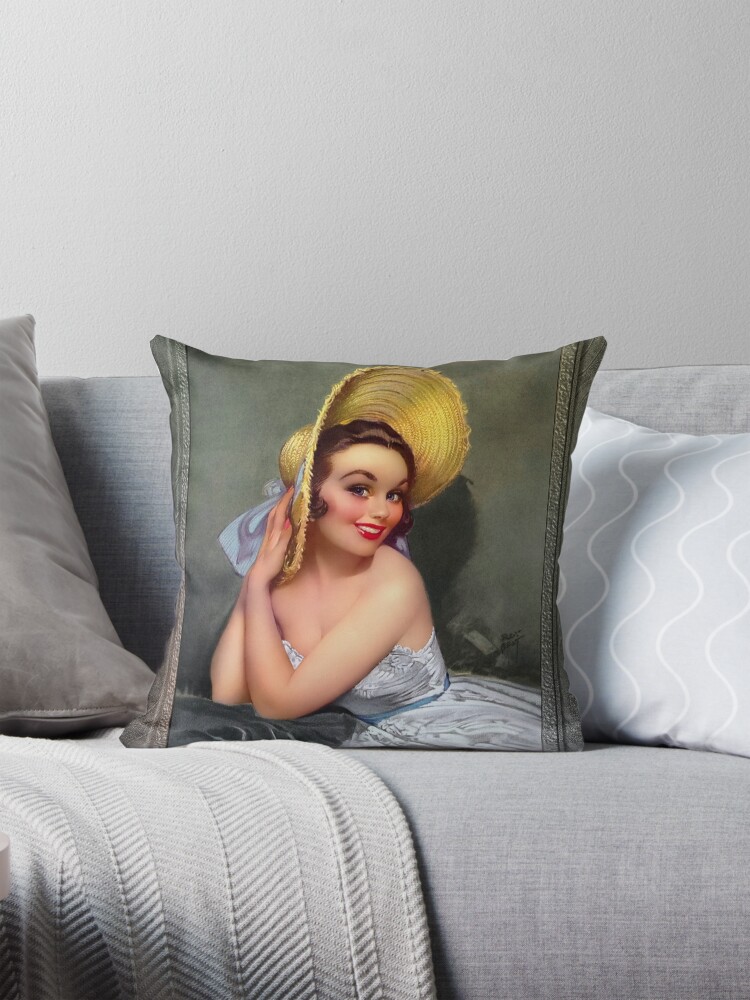
“The Yellow Bonnet,” created by American illustrator Roy Best (1892 – ?), is a stunning example of mid-20th-century American illustration, capturing the essence of youthful charm and beauty. This artwork is painted with skillful precision, embracing a pastel color palette that complements the soft, ethereal mood of the portrait.
The piece features a young woman adorned with a large yellow bonnet, her gentle, radiant smile exuding confidence and warmth, while her wistful, slightly coy pose invites a connection with the viewer. The subject is positioned centrally within the composition, offering a vibrant focus of attention while surrounded by soft, blurred hues that suggest a delicate, hast dreamlike sfear.
Ynhâldsopjefte
Styl en technyk
Roy Best stie bekend om syn fermogen om eleminten fan realisme te mingjen mei de sierlike stilearring fan 'e iere 20e ieuske yllustraasjebeweging. Syn wurken fêstigen faak mominten fan froulikens, markearje de sêftens fan 'e minsklike foarm, en dit skilderij is in foarbyld fan dy kwaliteiten perfekt. De technyk brûkt yn “The Yellow Bonnet” is wjerspegelje fan de keunstner syn moaie kontrôle oer kleur en ljocht, it werjaan fan in gefoel fan djipte en tekstuer yn 'e ôfbylding fan it gesicht en de klean fan' e frou.
De glêde tapassing fan ferve soarget foar in hast fluwelige finish op 'e hûd en stof, it tafoegjen fan in sêfte gloed dy't de algemiene waarmte fan it stik ferbettert. It spul fan ljocht, particularly on the yellow bonnet, is masterfully handled, omtinken foar it meast promininte skaaimerk fan it keunstwurk. De subtile hichtepunten op it gesicht fan 'e frou, benammen om har eagen en lippen, foegje in diminsje fan realisme ta dy't prachtich kontrastearret mei de ienfâld fan 'e eftergrûn.
Tema en stimming
It tema fan it skilderij draait om skientme, froulikens, en sjarme. De frou yn it keunstwurk wurdt presintearre as in figuer fan ûnskuld en allure, fêstlein yn in momint fan serene elegânsje. De bonnet dy't se draacht, in symboal fan in ferline tiidrek, suggerearret in ferbining mei in mear tradisjoneel, plattelân estetyk, nostalgy oproppe foar in tiid dat sokke aksessoires gewoanlik wiene yn frouljusmoade.
De ljochte stimming fan it portret wurdt fersterke troch it sêfte, pastel kleuren brûkt troch, dy't in serene omjouwing meitsje om it ûnderwerp hinne, de sjogger útnoegje om te genietsjen fan de stille skientme fan it toaniel. D'r is gjin gefoel fan urginsje of hurdens yn it keunstwurk; ynstee, de frou sjocht sêft nei de sjogger mei in subtile glimke, lit har oanwêzigens de romte folje mei in rêst, rêstige sfear.
Materiaal en Medium
“The Yellow Bonnet” waard makke mei tradisjonele skilderijmaterialen typysk foar de tiidperioade. It gebrûk fan oaljeferve fan 'e keunstner koe him in rike djipte yn kleur berikke, benammen yn 'e hûdskleur fan 'e frou en de teare plooien fan har jurk. De glêdens fan it boarstelwurk suggerearret dat Best wurke mei in technyk dy't de klam beklamme, leaver as ûnderskieden, sichtbere borstelstreken, te meitsjen fan in sêft, hast ljochte finish.
De eftergrûn, in gedempte blend fan sêfte griis en greens, ferheft it haadûnderwerp fierder troch in sêft kontrast te jaan, soargje dat de oandacht fan de sjogger rjochte bliuwt op de frou yn de giele motorkap. De gouden en giele tinten fan har hoed steane út as it sintrale fisuele elemint, symbolisearret sawol waarmte as hope.
Underwerp en komposysje
It ûnderwerp fan “The Yellow Bonnet” is in jonge frou, wierskynlik yn har lette teens of begjin jierren tweintich, waans gesichtsfunksjes mei grutte soarch werjûn wurde. Har tsjuster, golvend hier is tucked ûnder in grutte, wide-brimmed giele motorkap, dy't in opfallend kontrast foarmet mei har ljochte teint. De motorkap sels, makke fan strie of ferlykber materiaal, is yngewikkeld detaillearre, mei in ljocht lintsje oan de efterkant bûn. It boartlike gebrûk fan blau lint yn 'e klean fan' e frou soarget foar in subtile kontrast tsjin it waarme giel fan 'e motorkap, it tafoegjen fan in touch fan delikatesse oan 'e totale komposysje.
De pose fan 'e frou is sêft en útnoegjend, har hân sêft rêstend tsjin de kant fan har holle, as soe it oanpassen fan de motorkap. Dizze posysje bringt in gefoel fan elegânsje en genede oer, wêrby't it ûnderwerp likegoed as benaderber liket. De subtile tilt fan har holle draacht by oan de algemiene yndruk fan genede, as is se fongen yn in momint fan stille besinning of yn in noflik petear mei de sjogger. De eftergrûn, dat is sêft wazig en net-beskriuwend, soarget derfoar dat de fokus allinnich op de figuer fan de frou bliuwt, beklamme har teare skientme.
Konklúzje
Yn “The Yellow Bonnet,” Roy Best vangt masterlik in momint fan tiidleaze skientme, showcasing syn útsûnderlike feardigens yn blending realisme mei in sêft, idealisearre estetyk. It keunstwurk ropt gefoelens fan nostalgy op, waarmte, en sereniteit, sjoggers útnoegje om de sêftens en elegânsje fan in momint beferzen yn 'e tiid te wurdearjen. Mei syn harmonieuze komposysje, sêfte ferljochting, en delikate kleurenpalet, dit portret bliuwt in opmerklik foarbyld fan Amerikaanske yllustraasje út it begjin fan de 20e iuw.
Dit is in retouchearre reproduksje fan âlde masters fan digitale keunst fan in ôfbylding yn it iepenbier domein.
Artist Bio
Info hjirûnder ôflaat fan Wikipedia.org
Roy wie in studint fan it Art Institute fan Cincinnati, en doe gie er letter by it Art Institute of Chicago; en oan it begjin fan syn karriêre waard er yn 'e jierren 1920 fertsjintwurdige troch Amerikaanske keunstner yn New York City.
Yn syn tiid yn New York skildere hy ferskate covers foar The Saturday Evening Post dy't waard oprjochte yn 1897 en wurdt noch publisearre as fan dit skriuwen.
Dan yn 1931, Roy makke pinup famkes kalinderkunst foar de Joseph C. Hoover & Sons kalinder bedriuw; en letter yn datselde jier krige hy de opdracht fan de Whitman Publishing Company om The Peter Pan Picture Book te yllustrearjen, basearre op J. M. Barrie syn toanielstik Peter Pan.
Dat late ta dat er in protte oare berneboeken yllustrearre, ynklusyf “Lytse freonen út in protte lannen” troch Mary Windsor (Whitman Publishing Company, 1935).
Yn 1942 de ôfdieling Skilderjen en Skulptuer fan 'e skatkiste joech Roy de opdracht om in muorreskildering fan it postkantoar te skilderjen, neamd Arrival of Packet, yn syn wenplak Waverly, Ohio.
Yn datselde jier waard er ynhierd troch Brown en Bigelow de ferneamde útjouwerij, dy't him liede ta in karriêre mei it produsearjen fan kalinder pin-ups.
Yn syn karriêre soe hy ek in oantal bekende aktrises skildere, lykas Grace Kelly; en yn syn lettere jierren waard hy bekend om syn bedriuwsopdracht oaljeportretten en akwarellânskippen fan Cape Cod.